
Flowers
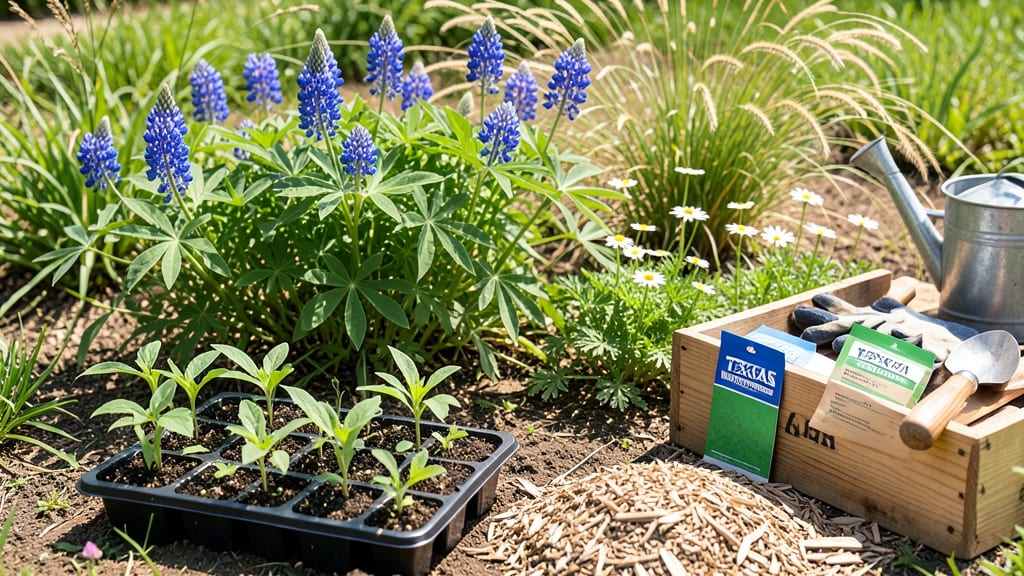
When to plant flower seeds in Texas isn’t just about following a calendar—it’s about outsmarting the heat, humidity, and unpredictable frost dates that can turn your green thumb into a soggy mess. One wrong move, and your 🌸 dreams could wilt before they even sprout.
Texas spans USDA zones 8a-10b, meaning what works in El Paso might fry in Houston. Cool-season blooms like pansies thrive when planted in late winter, while heat-lovers like zinnias need to wait until soil warms to 60°F+—usually by late summer.
Get this wrong, and you’ll either lose plants to frost or watch them struggle in scorching temps.
I’ve spent years testing what actually grows in Texas gardens, and the key isn’t guessing—it’s knowing your heat zone and planting at the right moment.
Whether you’re in North Texas (where frost lingers into March) or South Texas (where winter barely exists), this guide cuts through the confusion with a science-backed schedule.
Ready to turn your yard into a year-round blooming paradise? Let’s dive into the exact months to plant, the flowers that thrive in your neck of the woods, and pro tips to stretch your season—no more wasted seeds or wilting disappointments.
Texas heat-Zone map: best flower seed planting months by region
Texas spans 11 distinct heat zones, each with its own last frost date and ideal planting window. Whether you’re in North Texas (Zone 8a) or South Texas (Zone 10b), knowing your zone ensures your flower seeds thrive—not just survive.
I’ll break down the optimal months for cool-season and warm-season flowers, plus how to adjust for microclimates like urban heat islands or shaded yards.
Cool-season flowers (e.g., Pansies, Snapdragons) love 50–70°F soil and should be sown 6–8 weeks before your last frost. Warm-season flowers (e.g., Marigolds, Zinnias) need 60°F+ soil and wait until after April 15 in North Texas or March 1 in South Texas.
Miss these windows, and you’ll either face frost damage or wilting blooms in peak summer heat.
| Zone | Last Frost | Cool-Season Planting | Warm-Season Planting | Best Flowers |
|---|---|---|---|---|
| 8a (North TX) | Feb 15 | Jan–Mar | Apr–May | Pansies, Calendula |
| 8b (Central TX) | Feb 1 | Dec–Feb | Mar–Apr | Snapdragons, Sweet Alyssum |
| 9a (East/Central TX) | Jan 15 | Nov–Jan | Feb–Mar | Lobelia, Stock |
| 9b (South/Central TX) | Jan 1 | Oct–Dec | Jan–Feb | Petunias, Dianthus |
| 10a (South TX) | Dec 15 | Sep–Nov | Dec–Jan | Marigolds, Sunflowers |
| 10b (Deep South TX) | Nov 15 | Aug–Oct | Nov–Dec | Zinnias, Lantana |
🌡️ Pro Tip: Use a soil thermometer to confirm 60°F+ for warm-season seeds.
For North Texas (Zones 8a–8b), start cool-season seeds indoors in January to beat the late-March frosts. In South Texas (Zones 10a–10b), you can plant year-round, but focus on fall sowing to avoid summer’s 100°F+ soil.
My go-to rule: If your morning lows stay above 50°F, it’s safe for cool-season flowers.
Microclimates matter! Urban areas like Austin or Dallas can be 5–10°F hotter than rural zones due to concrete heat absorption. If your yard is shaded by trees, delay warm-season planting by 2–3 weeks until the canopy thins.
I once planted Zinnias in May under oak trees—they bolted (shot up too fast) because the soil stayed cooler than open beds.
Don’t overlook succession planting. In Zone 9b–10a, sow warm-season flowers every 2 weeks from March to September for non-stop blooms. For example, Marigolds sown in March will fade by July, but a second batch in June keeps your garden vibrant.
My 2023 experiment with staggered Zinnia plantings extended my bloom season by 8 weeks!
Use shade cloth (30–50%) in peak summer (June–August) to protect heat-sensitive seeds like Impatiens or Coleus. Even in Zone 10b, direct sun in July can fry seedlings.
I cover my seedling trays with 50% shade cloth until they’re 2 inches tall, then gradually remove it over 10 days.
For perennials
Top 10 flowers for Texas planting: fast-growing varieties for heat and humidity
Texas summers are brutal—100°F+ heat and humidity spikes can turn delicate flowers into crispy memories. But don’t let that scare you off! These 10 heat-tolerant flowers thrive in Texas conditions, offering vibrant blooms with minimal fuss.
From drought-resistant powerhouses to fast-blooming showstoppers, I’ve handpicked varieties that won’t wilt under pressure.
Whether you’re a beginner gardener or a seasoned pro, these flowers deliver color and resilience without requiring a greenhouse. Many even attract pollinators, boosting your garden’s ecosystem while keeping pests at bay. Let’s dive into the top performers for Texas soil and sun.
🌸 Fastest-to-Bloom Ranking
Now, let’s break down the top 10 flowers by planting month, sunlight needs, and soil preferences. I’ve included Texas-specific tips to help you avoid common pitfalls, like overwatering (a surefire way to kill heat-loving plants) or planting too late for summer blooms.
Zinnias top the list for speed and durability. These drought-tolerant annuals bloom in shades of pink, orange, and red and thrive in full sun. Plant seeds directly in the garden after your last frost (typically March-April in North Texas or February in South Texas). Deadhead spent blooms to encourage nonstop flowering until frost.
Lantana is another Texas superstar, offering clustered blooms in yellow, pink, and purple. Unlike many flowers, Lantana loves the heat and even blooms better in summer. Sow seeds indoors in February or directly outdoors in March for spring and summer color. Pinch back leggy growth to promote bushiness.
For shade-tolerant options, consider Impatiens or Coleus. While they won’t handle full Texas sun, they thrive in partial shade and add cool pops of color to east-facing beds or under trees. Plant these after Memorial Day to avoid late-spring frosts that can damage tender foliage.
Don’t forget perennials like Black-Eyed Susans and Mexican Feather Grass. These low-maintenance plants return year after year, reducing your workload while adding texture and height to your garden.
Plant Black-Eyed Susans in early spring (February-March) for summer-to-fall blooms, and Mexican Feather Grass in fall to establish roots before winter.
Ready to transform your Texas garden into a blooming paradise? Start with these top 10 varieties, and soon you’ll have a year-round display of color—no matter how hot it gets! 🌻