
Plants
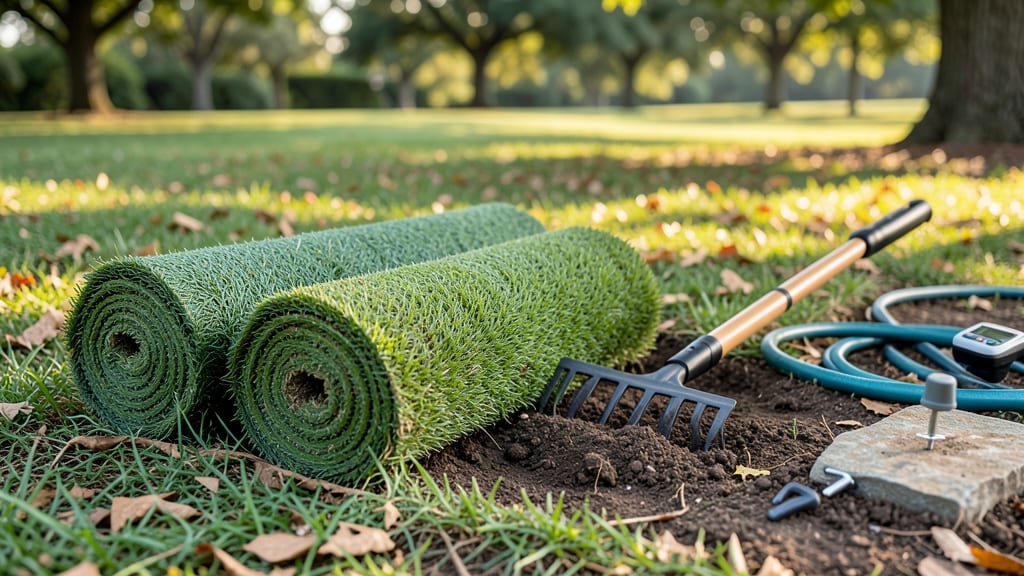
Optimal Texas sod planting months by region (coastal vs. Hill Country vs. Panhandle)
Texas’s diverse climate zones mean your sod’s success hinges on planting at the right time. Coastal areas like Houston get humid summers, while the Hill Country faces drought and Panhandle regions endure brutal heat waves.
Aim for soil temperatures between 60°F and 75°F—this sweet spot ensures roots establish before summer stress kicks in.
Most Texas gardeners swear by late winter to early spring (February–April) or early fall (August–September). These windows balance mild temperatures, adequate rainfall, and lower evaporation rates. Planting outside these times risks heat shock or drought stress, leaving your lawn patchy and weak.
🌱
| Region | Best Planting Months | Soil Temp Threshold | Rainfall Pattern | Key Risk |
|---|---|---|---|---|
| Coastal (Houston, Corpus Christi) | February–March or August–September | 60°F–75°F | Humid, frequent showers | Fungal growth |
| Hill Country (Austin, San Antonio) | March–April or September | 65°F–70°F | Unpredictable droughts | Drought stress |
| Panhandle (Amarillo, Lubbock) | April–May or September | 60°F–70°F | Low humidity, high winds | Heatwave damage |
In North Texas, where frosts linger until mid-February, wait until late March to avoid cold snaps. Central Texas gardeners can start as early as February, but South Texas benefits from August–September planting to escape the brutal summer heat.
Always check soil temperatures with a thermometer—below 60°F stalls root growth, while above 80°F causes stress.
For fastest root establishment, prioritize early fall (August–September). Cooler temps and higher humidity give sod a 3–4 week head start before winter dormancy. Spring planting (February–April) works too, but summer heat can turn your lawn into a crispy brown nightmare if you’re not careful.
🌿
If you’re in East Texas, where humidity reigns, avoid June–July planting—fungal diseases like brown patch thrive in the heat. West Texas? Skip June–August entirely unless you’re prepared for supplemental irrigation every 2–3 days. Even then, shade cloth can be a lifesaver during peak afternoon sun.
Pro tip: Use a soil thermometer to confirm readiness. 60°F+ soil temps signal it’s time to roll out that sod. Below 55°F? Wait—your grass won’t thank you for rushing it.
🪴
Remember, Texas sod varieties differ. Bermuda grass loves heat but needs deep watering, while St. Augustine thrives in shadier, coastal climates. Match your grass type to your region’s microclimate for the best results.
Next, we’ll cover critical pre-planting checks to set your sod up for success—no matter when you plant.
Critical pre-planting checks to ensure sod success in Texas heat
Before laying a single roll of sod in Texas, you must check three critical factors: soil temperature, moisture levels, and shade availability. Skipping these steps can lead to poor root establishment, even if you plant during the ideal months.
I’ve learned the hard way—my first attempt in May left patchy, struggling grass because the soil was too hot.
First, test your soil temperature using a soil thermometer. Aim for 60-75°F—any hotter, and roots will burn. In North Texas, this means waiting until late April, while Central Texas can start as early as March. South Texas’s warmer climate allows for earlier planting, but never before February.
Next, ensure your soil is moist but not soggy. Texas summers dry out soil quickly, so water deeply 2-3 days before planting. Use a screwdriver to check moisture—if it slides in easily, you’re good.
If it fights resistance, water more. Pro tip: Add compost or peat moss to improve water retention in sandy Texas soils.
🌱
⚠️ Warning: Texas Heat Shock
Planting sod when soil temps exceed 85°F causes root desiccation. Watch for these signs: yellowing edges, spongy feel, or fungal growth (white mold). If you see these, your sod is already stressed.
For early spring or late fall plantings, assess shade coverage. New sod needs protection from Texas’s intense sun during its first 2 weeks. Temporary shade cloth (30-50% coverage) can save your investment.
I once planted in March without shade—my sod turned crispy by noon. Now, I always use shade cloth until roots are established.
Finally, check your irrigation system before planting. Texas sod needs 1-1.5 inches of water daily for the first 2 weeks. If your sprinklers can’t deliver consistent coverage, consider a drip irrigation system for even moisture. Uneven watering leads to dry spots where weeds take over.
Don’t forget to mow high (3-4 inches) once your sod is established. Taller grass shades roots, reducing moisture loss—a lifesaver in Texas’s dry heat. With these checks, your sod will take root like a pro.
☀️