
Flowers
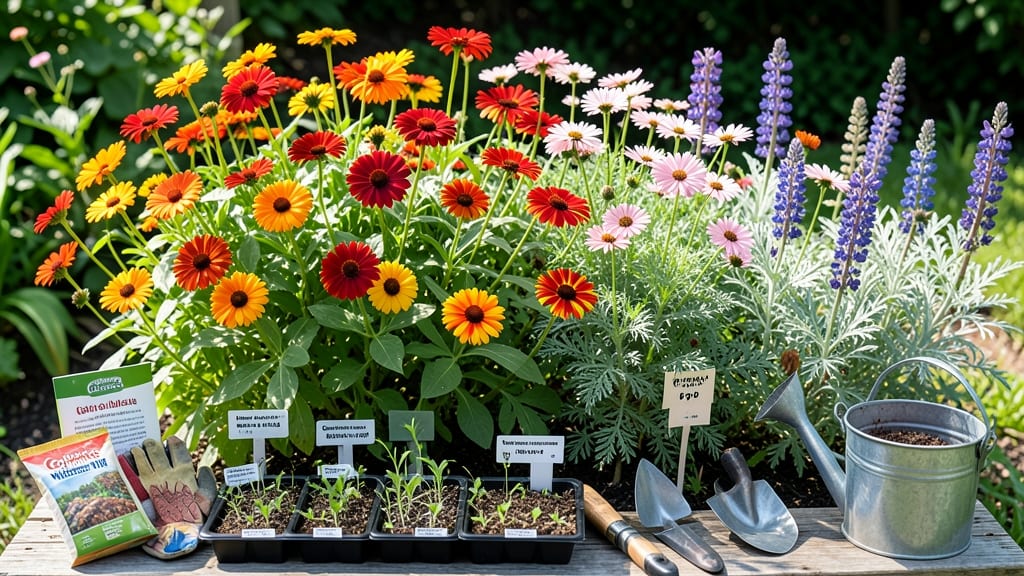
Timing when to plant flower seeds in Colorado isn’t one-size-fits-all—get it wrong, and you might end up with sad, stunted blooms or wasted effort.
With frost dates shifting dramatically from the Front Range to the Western Slope, knowing exactly when to plant can mean the difference between a showstopping garden and a disappointment.
I’ve grown flowers across Colorado’s USDA zones 4-7, and the key to success? Aligning your planting schedule with your local frost dates—not just guessing.
Whether you’re in Denver’s Zone 5-6 or the high desert’s Zone 4, the right window ensures your seeds germinate strong and thrive before summer’s heat or winter’s chill sets in.
In this guide, I’ll break down the optimal planting windows for spring and fall, including how to adjust for microclimates, soil prep, and even high-altitude tweaks. You’ll learn when to start seeds indoors, when to direct-sow, and which fast-blooming flowers work best in Colorado’s short growing seasons.
Ready to turn your garden into a vibrant escape? Let’s dive into the science-backed schedule that’ll have your flower seeds 🌸 thriving all season long.
Colorado’s frost-date map by elevation Zone: key planting windows for flower seeds
Colorado’s elevation extremes—from 2,000 ft on the Eastern Plains to over 10,000 ft in the mountains—create wildly different last frost dates. Planting your flower seeds too early in Zone 4 (Western Slope) risks frost damage, while waiting too long in Zone 6 (Front Range) shortens your bloom season.
Understanding these microclimate differences is key to success.
Most Colorado gardeners rely on USDA Zones 4-7, but elevation (not just latitude) dictates your planting window. For example, Denver (Zone 5) has a last frost date around April 15, while Telluride (Zone 6) at 8,500 ft may not see frost until June 1.
This guide breaks down planting deadlines by elevation band to help you time your flower seeds perfectly.
🌱 PRO TIP: Use a frost calendar (like the one below) to mark your local frost dates. Most annual flowers need 2-3 weeks after the last frost to establish roots before summer heat arrives.
| Elevation Zone (ft) | USDA Zone | Last Spring Frost | First Fall Frost | Spring Planting Window | Fall Planting Window |
|---|---|---|---|---|---|
| 2,000–4,000 | 4–5 | April 1–15 | October 1–15 | April 15–May 1 | August 15–September 1 |
| 4,000–6,000 | 5–6 | April 15–May 1 | September 15–October 1 | May 1–May 15 | August 1–August 15 |
| 6,000–8,000 | 6–7 | May 1–May 15 | September 1–September 15 | May 15–June 1 | July 15–August 1 |
| 8,000+ | 3–4 | June 1–July 1 | August 15–September 1 | June 15–July 1 | July 1–July 15 |
🌡️ Note: Adjust dates 1–2 weeks earlier for urban heat islands (e.g., Denver metro) or 1–2 weeks later for mountain valleys.
For annual flowers like marigolds or zinnias, aim to plant 4–6 weeks before your last frost date.
These fast-blooming varieties thrive with 60–90 days to maturity, so timing is critical. Perennials like coneflowers or black-eyed Susans can handle earlier spring planting (as soon as soil is workable) but may need winter mulch in Zone 4.
In high-elevation areas (6,000+ ft), soil temperatures lag behind air temperatures. Use a soil thermometer to confirm 50°F (10°C) before planting cold-sensitive seeds like petunias or geraniums.
In low-elevation zones (2,000–4,000 ft), watch for sudden heatwaves—plant heat-tolerant varieties like cosmos or sunflowers after May 1 to avoid bolting.
💡 EXPERT ADVICE: Fall planting is often overlooked but ideal for biennials (like foxgloves) and cool-season perennials. In Zone 5–6, sow seeds 8–10 weeks before your first frost for spring blooms. For example, snapdragons planted in early August in Denver will bloom in May.
Don’t forget microclimates! A south-facing slope war
How to adjust planting times for Colorado’s microclimates and soil conditions
Colorado’s microclimates can shift planting windows by weeks—even within the same city. Urban heat islands in Denver may allow earlier spring planting than nearby mountain foothills, while high-desert areas like Pueblo face faster soil warming in spring. Understanding these nuances ensures your flower seeds thrive, not just survive.
Start by testing your soil’s warmth with a soil thermometer—most flower seeds need 50°F (10°C) soil temps to germinate.
In Zone 5 (Western Slope), this might mean waiting until May 1, while Zone 6 (Front Range) can start as early as March 15 under cold frames or row covers.
🌱 Visual Element: Callout-Warning 🌱
⚠️ Common Mistake: Planting Too Early in Zone 5
Many gardeners in Colorado Springs (Zone 5) rush to plant marigolds or zinnias in March, only to see seedlings rot in cold, wet soil. The last frost date here is April 15, but soil temps lag behind air temps by 2-3 weeks. Wait until soil reaches 50°F—not just air temps.
✅ Solution: Use a soil thermometer or plant cold-hardy seeds like sweet peas (Zone 3) in February for earlier blooms.
For rocky or clay-heavy soils common in high-altitude gardens, amend beds with compost and sand to improve drainage. In Denver’s urban gardens, where soils can bake by June, mulch with straw to retain moisture and cool roots.
If your area has late spring frosts (like Fort Collinsfast-growing annuals like cosmos (30-60 days to bloom) over slower perennials.
Extend your growing season in shorter zones with row covers or cold frames. In Zone 4 (Grand Junction), start petunia seeds indoors by February 1 and transplant after May 15.
For fall planting, use black plastic mulch to warm soil and push first frost dates back by 2-3 weeks.
Pay attention to aspect—south-facing slopes warm 3-5°F faster than north-facing areas. In mountain valleys, like Gunnison, cold air sinks, creating micro-frost pockets. Plant heat-loving flowers (e.g., lantana) on south walls, while cool-season bloomers (e.g., pansies) thrive in shadier, north-facing beds.
Finally, water wisely: Overwatering in clay soils leads to root rot, while underwatering in sandy soils (common in Western Slope) causes wilting.
Use drip irrigation to deliver 1 inch of water weekly—adjust for rainfall and plant type. Drought-tolerant flowers like yarrow or blanket flower need half as much water as petunias.