What is on this site
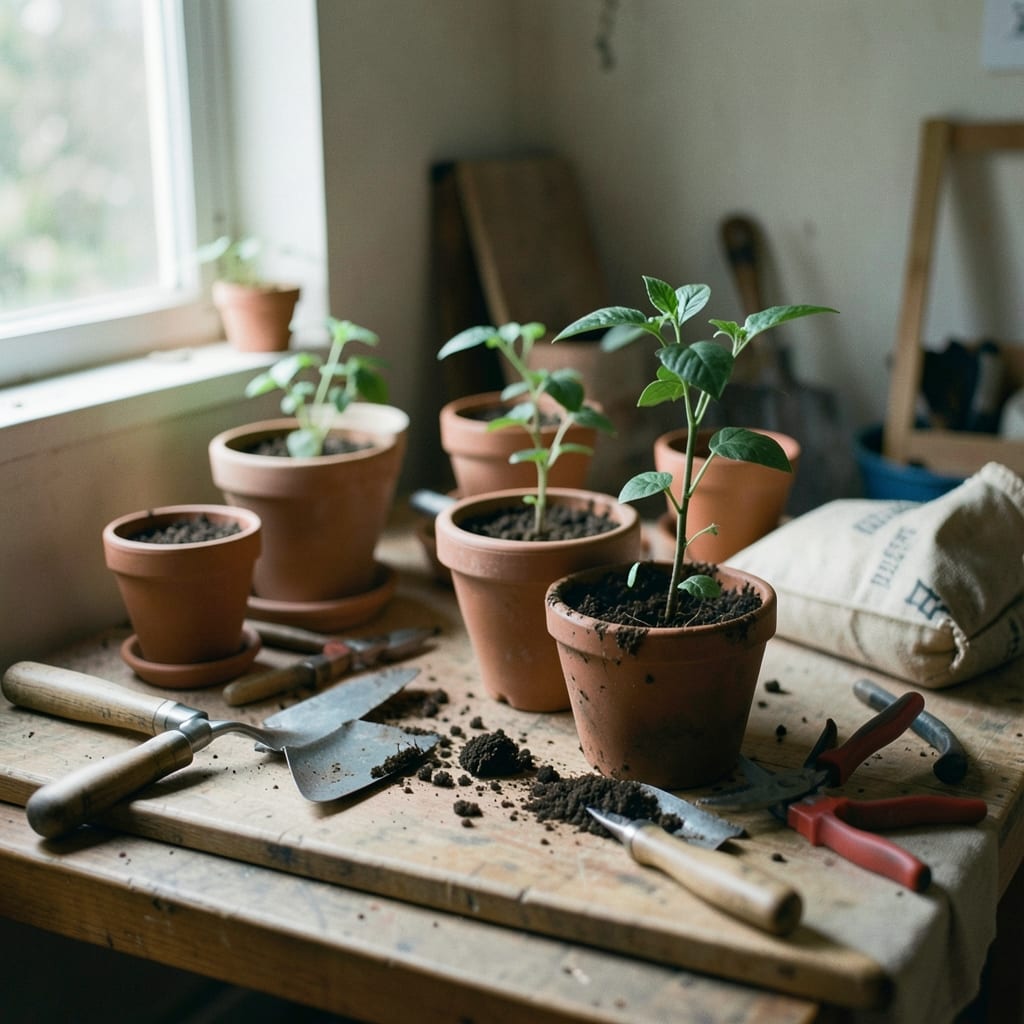
This site is for growing things—plants, seeds, and the small, stubborn acts of care that turn a patch of soil into something alive. You’ll find tips for beginners, troubleshooting for failures, and the quiet joys of watching something grow (or learning why it didn’t).
The site is organised by what you’re trying to do: starting from seed, nurturing young plants, dealing with pests, or adapting to your climate. Each page follows the same structure so you can skip straight to what matters. No fluff, no jargon.
| Where | What is there | Go here if |
|---|---|---|
| The Beginner’s Patch | Step-by-step guides for first-time growers | you’re planting your first seeds |
| Seasonal Almanac | When to sow, prune, or harvest in your zone | you’re unsure about timing |
| Troubleshooting | Why your leaves are yellow, your stems are soft, or your flowers won’t open | your plants look unwell |
| The Greenhouse Notes | Hacks for small spaces, containers, and tricky plants | you’re limited by pots or light |
How to read a page here
Every page starts with a clear goal—what problem it solves or what you’ll learn. Numbers in brackets like *(3)* mark steps or key tips; ignore them on a first read unless you’re following along.
Photos show real plants, not staged ones, with captions naming the variety and any quirks (like ‘this tomato hates cold drafts’).
Timings are in hours and minutes, not vague terms like ‘a few days’. Measurements use grams for soil amendments and millilitres for watering, because guesswork kills more seedlings than drought does. If a step feels unclear, the ‘Notes’ section at the end explains why it matters.
Use the ‘Quick Fix’ box if your plant is already struggling—it skips to the most likely cause. The ‘Further Reading’ list at the bottom points to related pages, not just other sites. Bookmark the ‘Glossary’ if you’re new to terms like ‘bolting’ or ‘chitting’.
When it does not work
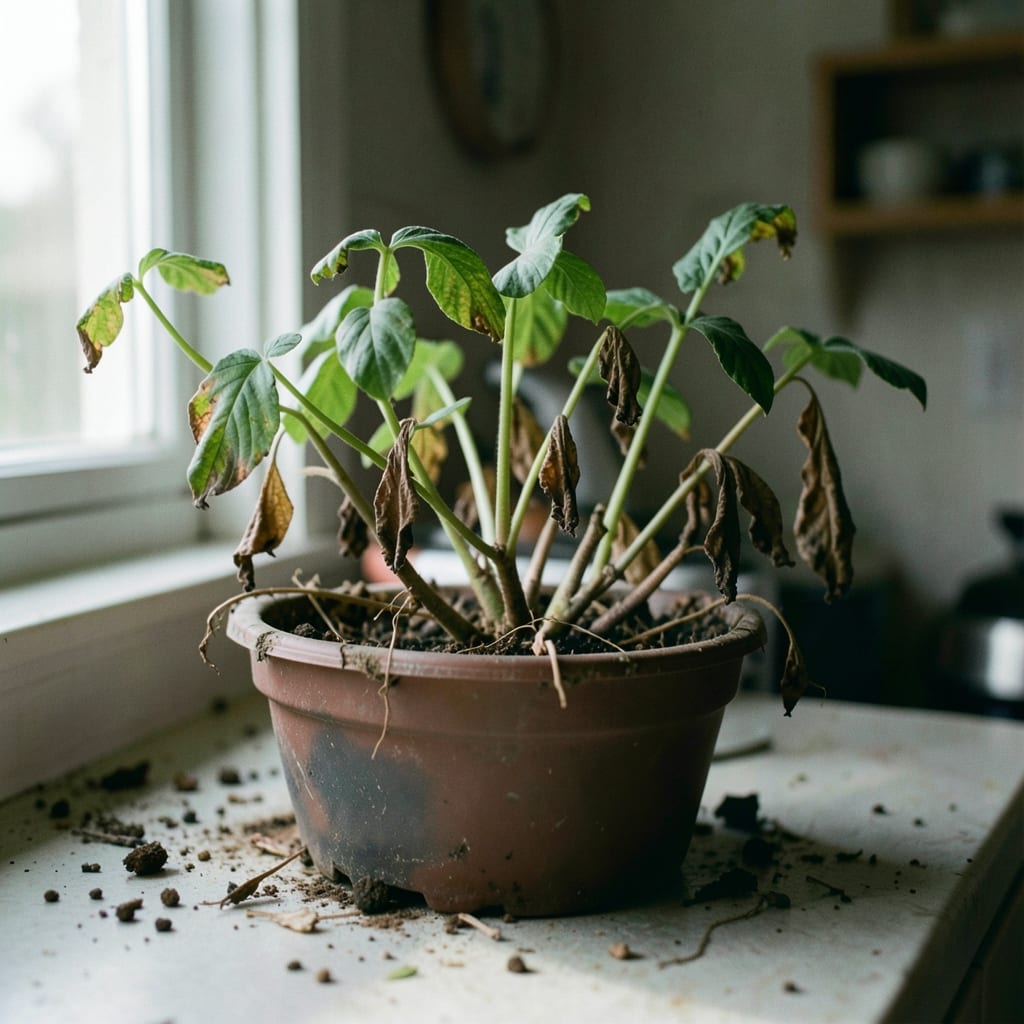
Some pages assume you have basic tools (a trowel, a spray bottle, a timer) or a specific setup (like a south-facing windowsill). Others are for people with no garden at all.
If a tip isn’t working, check whether you’re missing something obvious—like whether your seeds need light *or* darkness to germinate.
Before you give up
- Did you read the ‘Notes’ section? It often explains hidden assumptions.
- Are your measurements in the right units? Soil pH matters more than you think.
- Have you tried the ‘Troubleshooting’ page for this plant family?
- Is your container the right size? Overcrowding strangles roots faster than underwatering.
Who we are
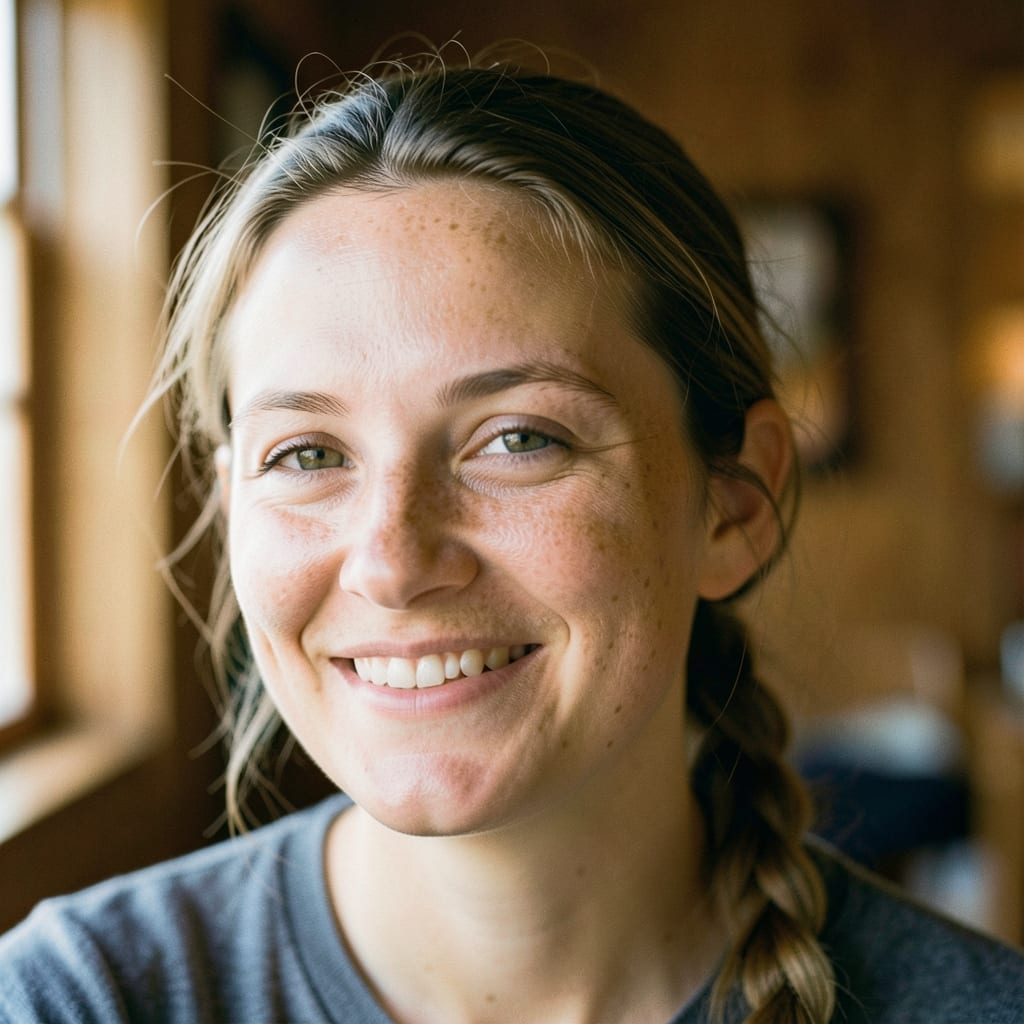
This site is shaped by the hands that dig in it—some calloused, some still learning.
| The colophon | |
|---|---|
| Written by | Bernice Jensen, who runs *Plant Room* after years of turning dorm balconies and city windowsills into jungles—some intentional, most accidental. |
| Tested in | A 1970s bungalow with a north-facing yard, where the soil is heavy clay and the sun arrives late. (The greenhouse is a repurposed shed with more holes than glass.) |
| Written with | A notebook full of crossed-out timings, a cheap moisture meter that lies, and a camera that only focuses on things six inches away. |
| Learned from | My grandmother, who swore by ‘letting the worms do the work’ and never explained how, and the local extension agent who laughed when I asked if basil could survive winter. |
| Still getting wrong | Why some seeds refuse to germinate even when every condition is ‘perfect’—sometimes it’s the moon, sometimes it’s the dog, and sometimes it’s just bad luck. |
There’s no single right way to grow anything. This site just tries to make the wrong ways a little less painful.
If you need something that is not here
Ask about plants that aren’t covered, climate quirks your zone doesn’t account for, or the one weed that ruins every harvest. If the answer isn’t already here, it’ll be added—or at least, someone else will find your question and thank you for it. Start on the contact page.
The guides are grouped by category: Advice, Aphids, Blooming, Companion Plants, Container Gardens and Diseases.