
Flowers
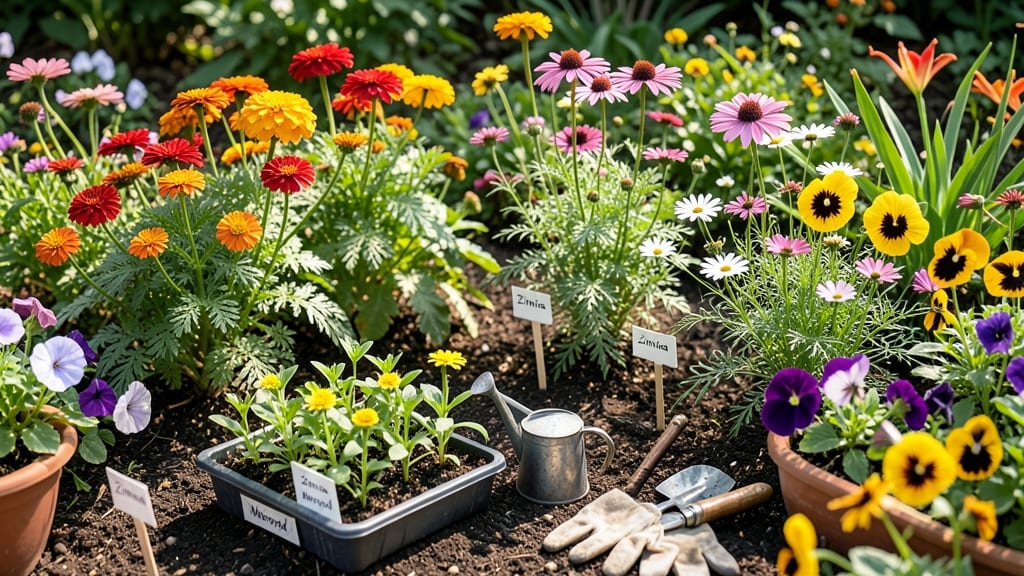
Timing your flower seeds planting in Indiana could mean the difference between a garden bursting with color and one that gets nipped by surprise frost. With Indiana’s 5b-6b climate, knowing when to plant isn’t just about the calendar—it’s about reading the soil, the sky, and even your local microclimate.
Most gardeners here wait until after the last frost date, usually around mid-April, but the real secret lies in starting seeds indoors 4-6 weeks earlier. That way, your 🌸 flower seeds are ready to bloom by June, when Indiana’s summers finally kick in.
Whether you’re dreaming of sweet peas climbing trellises or marigolds brightening your borders, the key is planting at the right time. Too early, and frost will take its toll; too late, and you’ll miss the peak blooming season from June through October.
Let’s break down exactly when to plant—so you can enjoy a garden that thrives, no matter what Indiana’s weather throws your way.
Indiana’s frost dates and ideal flower seed planting timeline
Indiana’s USDA Hardiness Zones 5b-6b mean frost can strike anytime between mid-April and October 15, making timing everything for successful flower seed planting.
The average last frost date is around April 15, but northern Indiana (Zone 5b) often waits until May 1, while southern Indiana (Zone 6b) can plant as early as March 20. Understanding these microclimate differences helps you avoid the heartbreak of frost-nipped seedlings.
For spring planting, most Indiana gardeners start seeds indoors by March 1 for cool-season flowers like pansies and snapdragons. Direct sowing outdoors begins after April 15, once soil temperatures hit 60°F. Fall planting opens August 1, with a September 15 cutoff to ensure roots establish before winter.
This 165-day frost-free window is your golden opportunity to maximize blooms!
Here’s how to align your planting with Indiana’s climate:
| Season | Indoor Start | Outdoor Planting | Soil Temp | Notes |
|---|---|---|---|---|
| Spring | March 1-15 | April 15-May 15 | 55-65°F | Use row covers for early starts. |
| Fall | None | August 1-Sept 15 | 60-70°F | Choose quick-maturing varieties. |
| Year-Round | Indoor lighting | March-October | Varies | Herbs like calendula thrive year-round. |
Northern Indiana gardeners should wait until May 1 for direct sowing, while southern Indiana can start two weeks earlier. Always check your local Indiana State Climate Office for real-time frost alerts. Succession planting every 2-3 weeks ensures continuous blooms, especially for heat-loving flowers like zinnias and cosmos.
For cold-hardy perennials like black-eyed Susans or coneflowers, sow seeds directly in late summer (August) to establish roots before winter. These Zone 5-6 survivors reward patience with low-maintenance, long-lasting blooms that return year after year.
Pro tip: Use a soil thermometer to confirm 60°F+ soil temps before planting heat-loving annuals like marigolds or petunias. Cold soil slows germination and invites fungal diseases.
In my Indiana garden, I’ve learned that patience pays off—rushing seeds into chilly April soil often leads to damp-off disease.
Don’t overlook fall planting! Many cool-season annuals like pansies and snapdragons thrive when sown in late summer. They’ll bloom through early winter before fading with spring’s warmth. This two-season strategy gives you 12+ months of color with minimal effort.
Indiana’s unpredictable weather demands flexibility. Keep a planting journal to track frost dates in your specific microclimate—urban areas may warm faster than rural zones. Over time, you’ll master the art of timing for vibrant, frost-free blooms.
🌱
Indiana’s frost dates and ideal flower seed planting timeline
Indiana’s USDA Zones 5b-6b mean frost can strike anytime between mid-April and October 15, making timing critical. Most gardeners aim to plant flower seeds after the average last frost date—typically April 15—but soil temperature matters more than calendar dates.
For example, cool-season flowers like pansies can handle 40°F soil, while tropical varieties need 60°F+ to germinate.
Northern Indiana (e.g., Fort Wayne) tends to have 2-3 weeks earlier frost than southern areas (e.g., Louisville), so adjust your schedule accordingly. If you’re unsure, use a soil thermometer—most annual flowers thrive when soil reaches 60°F consistently.
For fall planting, aim for August 1–September 15 to give seeds time to establish before winter.
| Stage | Action | Notes |
|---|---|---|
| Indoor Start (Cold-Hardy) | Start 4–6 weeks before last frost (Feb–March) | Sweet peas, snapdragons, calendula |
| Direct Sow (Cool-Season) | Plant 2–4 weeks before last frost (March–April) | Pansies, violas, lettuce (edging) |
| Outdoor Planting (Warm-Season) | After April 15, when soil is 60°F+ | Marigolds, zinnias, sunflowers |
| Fall Planting | August 1–September 15, 6–8 weeks before first frost | Cosmos, bachelor’s buttons, asters |
For northern Indiana, add 2 weeks to these timelines, while southern Indiana can push planting 1–2 weeks later.
Microclimates near lakes or urban areas may also delay frost—observe your local patterns for 3 years to refine your schedule. Row covers can extend your window by 2–4 weeks in early spring or fall.
If you miss the spring window, don’t despair—fall planting is ideal for many cool-season annuals and perennials. Seeds sown in late summer often germinate quickly and bloom earlier next spring than spring-planted seeds. Just ensure they establish 6–8 weeks before frost to survive winter.
Pro tip: Use a planting calendar or app like Old Farmer’s Almanac to track your local frost dates. In Indiana, late-May frosts are rare but possible—always have row covers or cloches ready for tender seedlings like petunias or geraniums.
For container gardening, warm soil heats up faster, so you can plant 1–2 weeks earlier than in-ground.
Just ensure containers have drainage holes and use lightweight potting mix to prevent compaction. Heat-loving flowers like sunflowers or cosmos thrive in containers and can handle Indiana’s summer heat with consistent watering.