
Plants
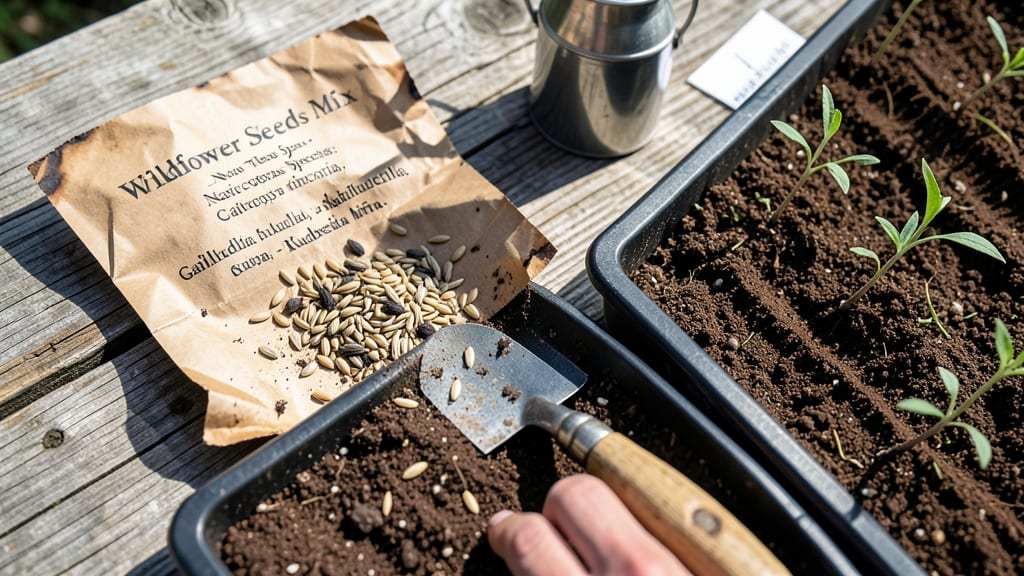
If you've ever dreamed of transforming your Texas landscape into a vibrant wildflower meadow 🌼 but weren't sure when to plant wildflower seeds in Texas, timing is everything.
Planting at the wrong time could mean wasted money and missed blooms—whether it's too early for frost or too late for summer heat stress.
Texas's diverse climate means the best planting windows vary dramatically from North to South, East to West. What works perfectly in Zone 8a might fail in Zone 10b, and native species like bluebonnets need precise conditions to thrive.
The good news? With the right schedule, you can enjoy year-round color with minimal effort.
I'll break down the exact months to plant by region, including soil prep tips and care strategies tailored to Texas conditions. Whether you're in the Hill Country or the Gulf Coast, you'll learn how to create a low-maintenance, pollinator-friendly paradise that blooms reliably every season.
Ready to skip the guesswork and create a landscape that's as beautiful as it is resilient? Let's dive into the planting calendar that'll give you the best results for your specific Texas location.
Texas wildflower planting calendar by region: best months for year-round blooms
Texas’ vast size means wildflower planting windows vary dramatically from North Texas to South Texas. In North Texas (USDA Zones 7b-8a), where winters can drop below freezing, aim for fall planting (September-November) to let seeds establish roots before cold snaps.
Meanwhile, South Texas (Zones 9a-10b) enjoys milder winters, allowing spring planting (February-April) for summer-long blooms.
Central Texas (home to the iconic bluebonnets) straddles both approaches—plant in late fall (October-November) for spring blooms or early spring (March) for summer color.
East Texas’ humid climate favors fall planting (August-September) to avoid summer heat stress, while West Texas’ arid conditions demand precise timing to capitalize on rare rainfall.
Here’s the region-specific breakdown you need to maximize blooms, including frost dates and ideal soil temps for germination:
| Region | USDA Zone | Best Planting Window | Soil Temp for Germination | Key Species |
|---|---|---|---|---|
| North Texas | 7b-8a | Sep-Nov (Fall) or Feb-Mar (Spring) | 50-60°F | Bluebonnets, Indian Paintbrush |
| Central Texas | 8a-9a | Oct-Nov (Fall) or Mar (Spring) | 55-65°F | Mexican Feathergrass, Black-Eyed Susan |
| East Texas | 8a-9a | Aug-Sep (Fall) | 60-70°F | Coreopsis, Salvia |
| South Texas | 9a-10b | Feb-Apr (Spring) | 65-75°F | Sunflowers, Zinnias |
| West Texas | 7b-9a | Sep-Oct (Fall) or Mar-Apr (Spring) | 50-60°F | Prickly Poppy, Desert Marigold |
For annual wildflowers like bluebonnets, fall planting ensures they bloom earlier in spring before summer heat sets in. Perennials, such as black-eyed Susans, thrive when planted in early spring to establish deep roots before Texas’ brutal summers.
Pro tip: Scratch the soil surface lightly (¼ inch deep) to improve seed-to-soil contact—wildflower seeds need light to germinate!
Rainfall patterns are critical: North and West Texas rely on fall rains to trigger germination, while East and South Texas can plant during dry spells if you’re prepared to water lightly until seeds sprout. Never plant during extreme heat (above 90°F), as seeds can bake before germinating.
Texas’ native wildflowers are adapted to thrive with minimal intervention, but timing directly impacts their success. For example, bluebonnets planted in October in Central Texas will blanket your landscape by March-April, while sunflowers sown in March in South Texas will bloom by June-July.
Plan ahead to enjoy year-round color!
If you’re in a transition zone (like Austin or San Antonio), split your planting: sow half in fall for spring blooms and half in spring for summer color. This two-phase approach extends your meadow’s beauty and supports pollinators year-round.
For urban gardeners, container planting in late winter (February) works well for species like zinnias and cosmos, which tolerate heat once established. Just ensure containers have drainage holes and use a lightweight potting mix to prevent compaction.
Remember: Texas wildflowers are drought-tolerant once established, but seeds need consistent moisture to germinate. After planting, water lightly but frequently (every 2-3 days) until sprouts appear—then taper off to encourage deep root growth. Mulch lightly with straw to retain moisture and suppress weeds.
🌼
How to prep your Texas soil and site for wildflower success
Before scattering wildflower seeds across your Texas landscape, proper soil preparation is the secret to vigorous germination and long-lasting blooms. Many native Texas wildflowers thrive in poor soil, but a little prep ensures they establish faster and outcompete weeds.
Start by testing your soil’s pH and drainage—most wildflowers prefer slightly acidic to neutral soil (pH 6.0–7.5).
If your soil is heavy clay—common in East Texas—amend it with compost or coarse sand to improve drainage. In West Texas, where soils can be alkaline, a light application of sulfur-based fertilizer (like gypsum) helps balance pH naturally.
Avoid overworking the soil; wildflowers often grow best in undisturbed, natural conditions.
Choose a sunny planting site with at least 6 hours of direct sunlight daily. While some wildflowers tolerate partial shade, bluebonnets and black-eyed Susans need full sun to bloom their best. Clear any existing vegetation, but avoid tilling deeply—wildflowers have shallow roots and prefer loose surface soil.
For dryland plantings (common in West and North Texas), create a lightly disturbed microclimate by raking or scratching the soil surface to 0.25–0.5 inches deep. This helps seeds make contact with moisture and warmth without burying them too deeply.
In irrigated areas, like Central or East Texas, a thin layer of mulch (straw or wood chips) retains moisture while preventing soil crusting.
Select seeds suited to your local climate and soil type. For example, bluebonnets thrive in caliche soils of West Texas, while Indian paintbrush prefers well-draining sandy loam. Mixing native seeds with cover crops like clover can also improve soil structure over time while providing early pollinator food.
After planting, water lightly but consistently for the first 4–6 weeks, keeping the soil moist but not soggy. Once established, most Texas wildflowers are drought-tolerant, but young seedlings need regular moisture to develop deep roots.
Avoid overhead watering to prevent fungal diseases like powdery mildew, which thrives in humid conditions.
Finally, let nature take over! Wildflowers self-seed prolifically, so resist the urge to tidy up spent blooms. Leave seed heads until they brown and shatter—this ensures next year’s natural regeneration.
With the right prep, your Texas wildflower meadow will reward you with colorful blooms from spring through fall—and minimal upkeep once established! 🌻