
Companion Plants
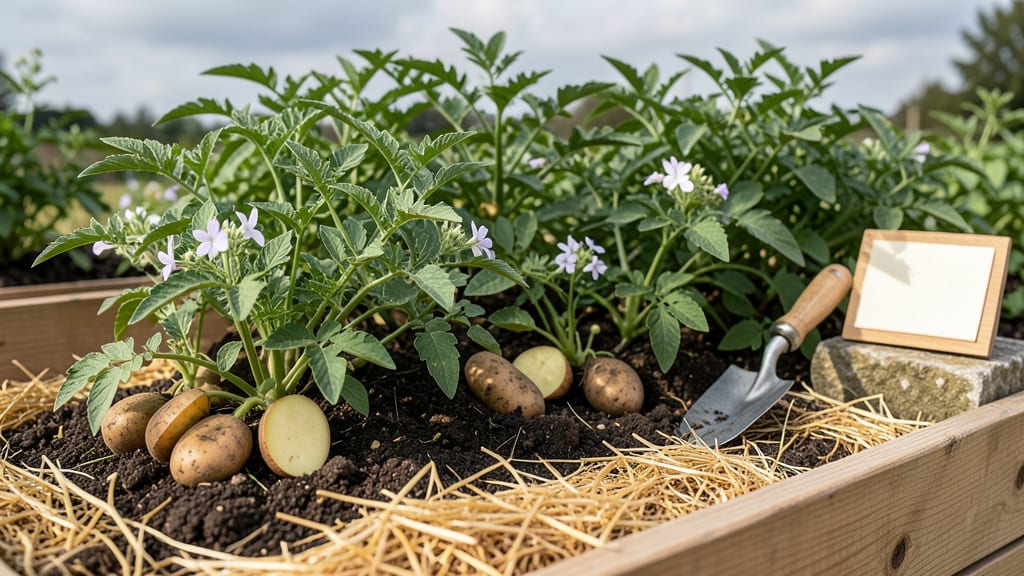
Timing is everything when it comes to growing 🥔 potatoes in Zone 8—plant too early, and your crop might bolt in the heat; too late, and you’ll miss the sweet spot for maximum tubers.
The key lies in those cool-season windows where soil temps cooperate, and frost risks fade just enough to give your spuds a fighting chance.
If you’ve ever wondered why your neighbor’s potatoes thrive while yours struggle, chances are timing (and a little local know-how) is the missing piece.
In Zone 8, where last frosts linger until mid-February and first frosts arrive by November, you’ve got two prime chances to plant: early spring or late summer. But here’s the catch—each window demands a different approach to soil prep, variety selection, and even watering.
I’ll break down exactly when to plant for two harvests a year, how to prep your soil for Zone 8’s unique climate quirks, and which potato varieties handle the heat (or cool) best.
Whether you’re a first-timer or a seasoned gardener tweaking your routine, these insights will help you avoid common pitfalls and dig up a bounty instead of scraps.
Ready to turn your Zone 8 garden into a potato powerhouse? Let’s get those spuds in the ground at the perfect moment—before the heat or humidity steals the show.
Best planting times for potatoes in Zone 8: cool-season secrets
In Zone 8, where winters are mild and summers scorching, timing is everything for growing potatoes. The key is planting when soil temperatures are cool—ideally between 45°F and 60°F—to prevent tuber formation stress.
Early spring and late summer/early fall are your two best windows, but each has unique challenges. Let’s break down the perfect moments to plant for maximum yield.
For spring planting, aim for February to early March, about 4-6 weeks before your last frost date. This gives tubers time to mature before summer heat sets in. In Zone 8, frost is rare but possible in late winter, so monitor local forecasts.
If you’re in a coastal area like Southern California, you might plant as early as January—just ensure soil isn’t soggy.
Late summer/early fall planting is trickier but rewarding. Shoot for August to early September to harvest before the first frost in mid-November. This method works best in inland areas like Georgia or Arizona, where nights cool faster.
The goal is to finish tubers before heat stress or fungal diseases take hold.
| Planting Window | Best Months | Soil Temp | Key Considerations |
|---|---|---|---|
| Early Spring | February–March | 45°F–60°F | Avoid frost; plant 4–6 weeks before last frost. Ideal for early varieties. |
| Late Summer/Fall | August–September | 60°F–70°F | Harvest before first frost (mid-November). Use mid-late varieties. |
Soil prep is just as critical as timing. Potatoes thrive in loose, well-draining soil with a pH of 5.0–6.5. Work in compost or aged manure before planting to boost fertility.
If your soil is heavy clay, consider raised beds—they warm faster in spring and drain better in summer. Chit your seed potatoes (sprout them in light) 2–4 weeks before planting to jumpstart growth.
Microclimates matter in Zone 8. Coastal areas like San Diego can plant earlier than inland Atlanta due to milder winters. Adjust your schedule based on your specific last frost date and local heat patterns.
For example, if your summers hit 90°F+ by June, prioritize early spring planting to avoid tuber stress.
Varieties also play a role. For spring, choose early-maturing types like Yukon Gold or Red Pontiac (60–90 days). For fall, opt for mid-to-late varieties such as Russet or Kennebec (90–120 days). These adapt better to Zone 8’s heat and humidity.
One common mistake? Planting too late in spring when soil heats up. If you miss the February–March window, switch to a shade cloth (30–50%) to protect plants from midday sun.
Mulch heavily with straw to keep roots cool. Remember, potatoes are cool-season crops—they’ll bolt or produce small tubers if stressed by heat.
Finally, track your progress. Use a gardening journal to note when you plant, soil temps, and harvest dates. Over time, you’ll refine your Zone 8 potato schedule for perfect timing.
With the right window, your harvest could stretch from April to November—just don’t let summer heat ruin your spuds! 🥔
Best planting times for potatoes in Zone 8: cool-season secrets
In Zone 8, potatoes thrive in cool weather but struggle when temperatures rise above 80°F. The key is planting when soil temperatures hover between 45°F and 65°F—ideal for tuber formation without heat stress. Missing this window can lead to stunted growth or even crop failure.
Your best bets are early spring (February–March) or late summer/early fall (August–September). Early spring allows tubers to mature before summer heat arrives, while fall planting lets you harvest before the first frost in mid-November. Both strategies avoid the brutal summer months when potatoes bolt or rot.
Here’s how Zone 8’s microclimates affect timing: Coastal areas (like Southern California) can plant slightly later due to milder winters, while inland regions (like Georgia) should plant earlier to escape summer humidity. Always check your last frost date—aim to plant 4–6 weeks before to give tubers time to establish.
For early spring plantings, start seed potatoes indoors in January to get a head start. Use black plastic mulch to warm soil faster and deter weeds. In fall plantings, opt for early-maturing varieties like ‘Yukon Gold’ or ‘Red LaSoda’ to finish before frost.
Avoid planting in July or August—the heat will cause tubers to turn green and toxic.
Pro tip: Test your soil’s moisture and temperature before planting. Stick a thermometer 4 inches deep—if it’s above 70°F, wait a week or two.
In Zone 8’s humidity, poor airflow increases disease risk, so space plants 12–18 inches apart and use straw mulch to retain moisture without suffocating roots.
Timing isn’t just about months—it’s about microclimate awareness. If you’re in a hot inland valley, plant earlier than coastal gardeners. Monitor 7-day forecasts for heatwaves, and adjust your schedule to avoid stressing young plants. With the right timing, you’ll enjoy two harvests per year in Zone 8! 🥔