
Plants
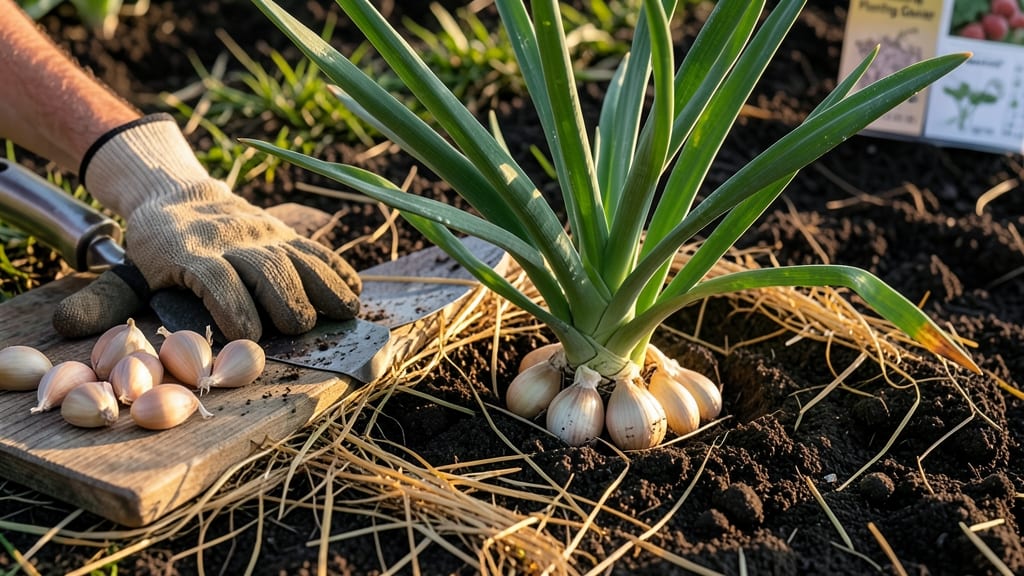
Planting garlic in Zone 5 at the wrong time could mean the difference between a thriving 🧄 harvest and wasted effort. Unlike many vegetables, garlic thrives when planted in fall, not spring, because it needs cold winter temperatures to form bulbs.
If you’ve ever wondered why your garlic patch underperformed, the answer likely lies in timing—and this is your chance to get it right.
For Zone 5 gardeners, the ideal window is narrow but critical: October to early November, about 4-6 weeks before the ground freezes. This timing ensures garlic establishes roots before winter dormancy, setting the stage for robust growth when spring arrives.
Whether you're a seasoned gardener or just starting, mastering this schedule will transform your garlic harvest from mediocre to exceptional.
Here’s the secret most gardeners miss: hardneck varieties—like the popular Rocky Mountain or German White—absolutely require fall planting. Skipping this step means missing out on those prized scapes and larger bulbs.
I’ll walk you through the exact steps to plant garlic in Zone 5, from soil prep to spacing, so you can avoid common pitfalls and enjoy a bumper crop next summer.
Ready to turn your garlic dreams into reality? Let’s dive into the fall planting process and ensure your cloves get the perfect start for a flavorful, abundant harvest in mid-summer. Your future meals—and taste buds—will thank you!
Optimal fall planting window for Zone 5 garlic: hardneck varieties explained
In Zone 5, timing your garlic planting correctly is everything—especially when growing hardneck varieties. These popular types (Rocky Mountain, Chesnok Red, German White) need a 6-8 week cold period to form bulbs.
Plant too early, and your cloves might sprout and get damaged by winter freezes. Plant too late, and they won’t get enough cold exposure to develop properly.
Your planting window in Zone 5 typically runs from mid-October to early November. This aligns with soil temperatures dropping to 40-50°F and daylight hours shortening—ideal conditions for garlic to establish roots before winter dormancy.
The key is to plant 4-6 weeks before the ground freezes, usually around November 15 in most of Zone 5.
Here’s why this window matters: Garlic needs vernalization (cold exposure) to trigger bulb formation. Hardnecks, in particular, require winter chill to produce those prized scapes and larger bulbs. If you miss this window, you’ll likely end up with small, weak bulbs—or worse, no harvest at all.
🌱
| Key Factor | Zone 5 Specification | Why It Matters |
|---|---|---|
| Planting Window | Mid-October to early November | 6-8 weeks before hard frost for root establishment |
| Soil Temperature | 40-50°F (4-10°C) | Prevents premature sprouting while allowing root growth |
| Daylight Hours | 10-12 hours/day | Reduced light signals garlic to focus on bulb development |
| Hardneck vs. Softneck | Hardnecks: Fall only; Softnecks: Fall or Spring | Hardnecks need winter chill; Softnecks store longer but lack scapes |
| Last Frost Date | Mid-November (varies by microclimate) | Plant too close to frost, and cloves won’t establish roots |
If you’re growing softneck varieties (like Silverskin or Artichoke), you can plant them in spring (March-April), but hardnecks must go in the ground in fall. Softnecks store longer and lack scapes, but they’re great for braiding and long-term storage.
For most gardeners in Zone 5, though, hardnecks are the star of the show.
Pro tip: Check your local frost dates using the USDA Plant Hardiness Zone Map or a frost calendar for your specific area.
Northern Zone 5 (like Minnesota or Upstate New York) may need to plant earlier (late September), while Southern Zone 5 (like Northern Virginia) can wait until early November.
Once you’ve nailed the timing, focus on soil prep. Garlic thrives in well-draining soil with a pH of 6.0-7.0. Work in compost or aged manure before planting to give those roots a nutrient boost. Avoid fresh manure—it can burn delicate garlic cloves.
After planting, mulch with straw or leaves to insulate the soil and protect cloves from extreme temperature swings. This is especially critical in Zone 5, where winter temperatures can fluctuate wildly between freezing nights and warmer days. A 3-4 inch mulch layer keeps the soil stable and prevents heaving.
🌿
Optimal fall planting window for Zone 5 garlic: hardneck varieties explained
If you're growing hardneck garlic in Zone 5, timing your fall planting is everything. Unlike softneck varieties, hardnecks require cold winter temperatures (32°F to 40°F) to form bulbs. Planting too early or late disrupts this process, leading to small, weak bulbs—or no harvest at all.
The ideal window is 6-8 weeks before your first hard frost, typically mid-October to early November in most of Zone 5.
For example, in Zone 5a (colder areas), aim for October 15-30, while Zone 5b (warmer) can extend until November 5. Check your local frost dates—this is your planting deadline.
Soil temperature should be 40-50°F at planting time, signaling it’s cool enough for garlic to establish roots but not frozen.
Here’s why this window matters: garlic needs 12-16 weeks of cold to develop properly. Planting too early (like September) can trigger premature growth, while planting too late (after November) risks cloves rotting before winter.
Hardnecks like German White or Rocky Mountain thrive in this schedule, producing larger bulbs and scapes—the prized garlic shoots.
| Factor | Zone 5 Ideal Range | Why It Matters |
|---|---|---|
| Planting Window | Mid-October to early November | 6-8 weeks before hard frost |
| Soil Temperature | 40-50°F | Encourages root growth without sprouting |
| Cold Requirement | 12-16 weeks below 40°F | Triggers bulb formation |
| Daylight Hours | 10-12 hours | Balances growth and dormancy |
| Hardneck vs. Softneck | Hardneck: Fall only; Softneck: Fall or spring | Hardnecks need winter chill |
One common mistake is assuming all garlic is the same. Softneck varieties (like Silverskin) can tolerate spring planting, but hardnecks won’t develop properly without winter.
Even if you’re eager to start early, resist the urge to plant in September—the extra warmth can cause cloves to sprout too soon, weakening them before winter.
Pro tip: Use a soil thermometer to confirm temperatures. If your soil is still warm (above 50°F), wait a few weeks. Cold soil signals garlic it’s time to settle in.
Once planted, mulch with straw or leaves to insulate cloves during winter fluctuations. This simple step can boost bulb size by up to 30% in Zone 5.
Remember, garlic planted in fall will reward you with flavorful bulbs in July-August—worth the wait! Next, we’ll cover how to adjust planting dates based on your specific microclimate in Zone 5.