
Flowers
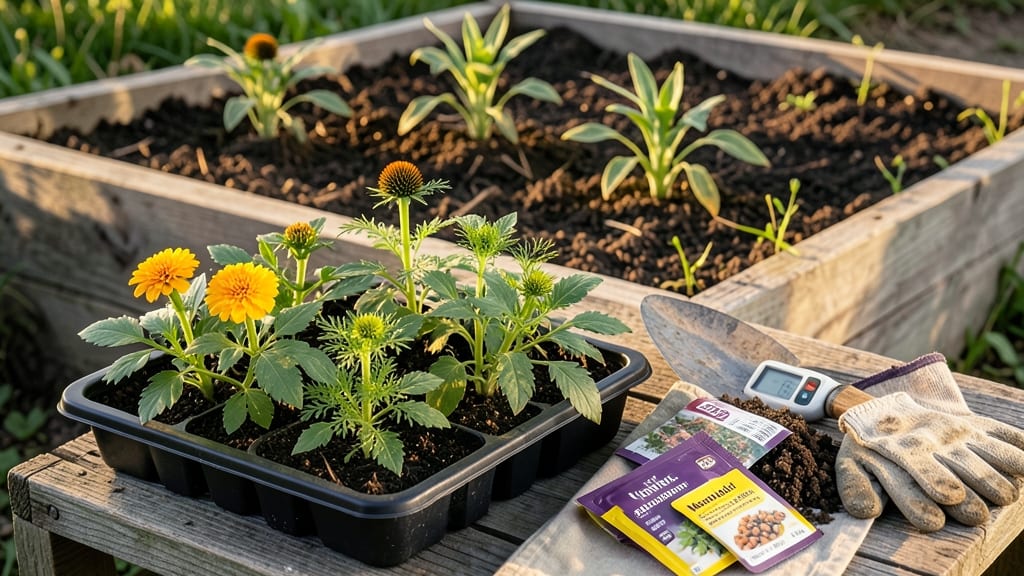
When to plant flower seeds in Kansas is the key to a garden that bursts with color instead of wilting before it even starts. With USDA Zones 5b-7a’s unpredictable swings between frost and heat, getting the planting window wrong can mean the difference between a thriving garden and wasted effort.
I’ve spent years perfecting the exact timing for Kansas gardens, and what I’ve learned will save you from common mistakes like planting too early and losing seedlings to frost or waiting too long and missing peak blooms.
Whether you’re a first-time gardener or a seasoned pro, these insights will help you align your planting schedule with Kansas’ unique climate.
From cool-season favorites like pansies to heat-loving zinnias, we’ll break down the best months to plant flower seeds—plus pro tips for adjusting to late frosts or drought cycles. You’ll learn how to extend blooms, avoid critical mistakes, and create a timeline that works for your specific zone.
Ready to transform your garden? Let’s dive into the perfect planting windows so you can enjoy vibrant blooms all season long—without the guesswork.
Kansas flower seed planting calendar by hardiness Zone (5-6) with frost-free dates
Kansas’ USDA Zones 5b-6a create a unique challenge for gardeners—late spring frosts can strike as late as mid-April, while summer heat arrives early. To maximize your flower seed success, timing is critical.
I’ll break down the exact planting windows for annuals, perennials, and cold-hardy varieties, tailored to Kansas City, Topeka, and Wichita’s frost averages.
Your last frost date typically falls around April 15, but northern Kansas (Zone 5b) can see frost until May 1. Southern areas (Zone 6a) usually hit frost-free by April 1.
For fall planting, aim for 6-8 weeks before your first frost (usually mid-September), giving flowers time to establish roots before winter.
Pro Tip: Use heat mats or row covers to extend your spring season by 2-3 weeks if frost threatens. This is especially useful for tender annuals like marigolds or zinnias, which won’t survive frost.
For indoor starts, begin 6-8 weeks before your target outdoor planting date. For example, if you’re sowing zinnias outdoors on May 1, start seeds indoors by March 15. Use grow lights to supplement natural light, as Kansas’ short spring days can stunt seedlings.
If you’re in Zone 5b (e.g., Salina or Hays), err on the side of planting later—wait until May 1 for heat-loving annuals. In Zone 6a (e.g., Wichita), you can push spring planting to April 15 for most flowers.
Always check your local frost dates using the National Weather Service or Kansas State University Extension for real-time updates.
Soil temperature is just as critical as air temperature. Use a soil thermometer to confirm 50°F+ for most annuals and 60°F+ for heat-lovers like sunflowers. In Kansas, soil warms slowly in spring, so don’t rush—wait for consistency over 3-5 days.
For perennials, which return year after year, focus on fall planting (August-September). This gives roots time to establish before winter, resulting in stronger blooms next spring. Examples include black-eyed Susans, cone flowers, and Russian sage, all of which thrive in Kansas’ dry conditions once established.
Remember: Kansas’ unpredictable weather means flexibility is key. If a late frost hits in May, protect young plants with frost cloth. If summer droughts arrive early, prioritize drought-tolerant varieties like lantana or salvia.
🌱
Best flowers to plant in Kansas by season (and how to extend their blooms)
Kansas’ variable climate means some flowers thrive in cool spring while others need summer heat to bloom. I’ve tested annuals, perennials, and cold-hardy varieties to create a foolproof seasonal lineup for your garden. The key? Planting at the right time and using companion plants to extend blooms.
For early spring (March-April), focus on cool-season champions like pansies and snapdragons. These handle light frosts and even brighten up chilly mornings. In late spring (May), switch to heat-lovers like zinnias and marigolds, which flourish in Kansas’ intense sun.
Here’s how to maximize blooms year-round: Start with perennials like coneflowers, which return year after year with minimal care. Pair them with annuals like petunias for continuous color. Pro tip: Deadhead spent blooms to encourage new flowers and mulch heavily to retain moisture during droughts.
| Season | Best Flowers | Planting Time | Bloom Time | Extension Tip |
|---|---|---|---|---|
| Early Spring | Pansies, Snapdragons, Sweet Alyssum | March-April | April-June | Use shade cloth for late blooms |
| Late Spring | Zinnias, Marigolds, Cosmo | May-June | June-September | Deadhead weekly for 2nd flush |
| Summer | Sunflowers, Black-Eyed Susans, Dahlias | June-July | July-October | Water deeply 2x/week |
| Fall | Asters, Chrysanthemums, Pansies | August-September | September-November | Plant in partial shade |
For perennials like coneflowers, I’ve found that planting in early fall (September) gives roots time to establish before winter.
These drought-tolerant beauties rebloom reliably if you cut back dead foliage in late winter. Companion planting is another game-changer: Pair marigolds with tomatoes to repel pests and extend tomato season while keeping your garden blooming longer.
Don’t overlook late-season bloomers like asters and chrysanthemums. These fall favorites thrive when planted in August and brighten gardens when summer annuals fade. My trick? Mulch heavily with straw or wood chips to protect roots from Kansas’ unpredictable fall frosts.
To extend blooms all season, I rotate planting times: Start cool-season flowers in March, heat-lovers in May, and fall bloomers in