
Plants
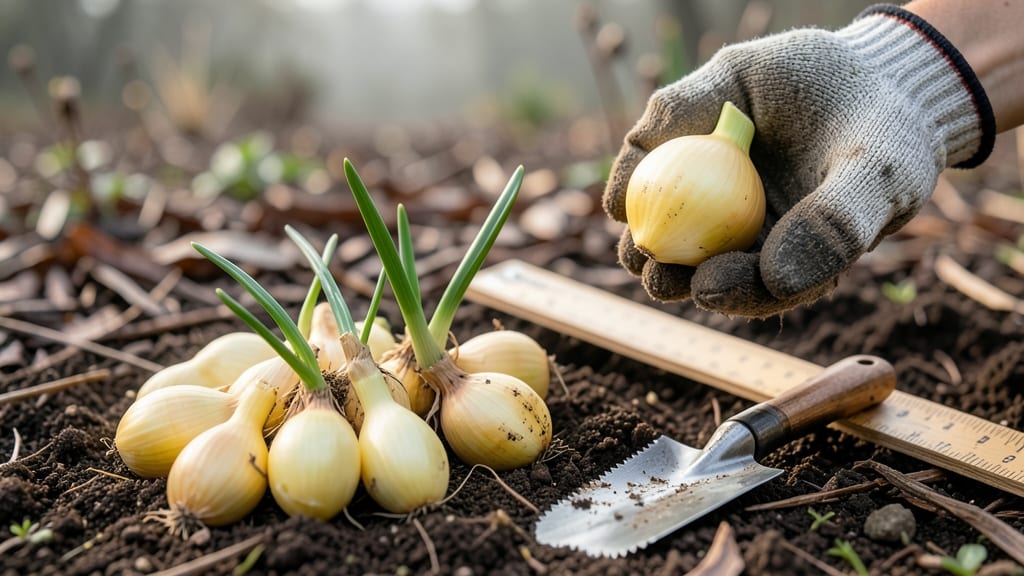
Timing your daffodil bulbs in Texas planting window could mean the difference between a vibrant spring display and wasted effort. Texas gardeners know the stakes—plant too early, and the bulbs rot in the heat; too late, and they miss the winter chill they crave to bloom.
The secret lies in understanding your specific USDA zone (like 8a-10b) and acting when soil temps drop to 60°F or lower.
Most Texas gardeners agree: the October-December window is your golden opportunity. But here’s the catch—North Texas (like Zone 8a) needs bulbs in the ground by early November, while South Texas (like Zone 10b) can wait until December.
Why? Because these cheerful 🌼 need 6-8 weeks of cool weather to root before winter hits.
Don’t let Texas’ unpredictable winters fool you—this isn’t just about avoiding frost. It’s about giving those bulbs the perfect head start. I’ll show you exactly how to time it right, from soil prep to post-planting care, so you’re not left scrambling when the first 30°F night rolls in.
Ready to transform your yard into a springtime daffodil paradise? Let’s dive into the best months, zone-by-zone tips, and pro tricks to ensure your bulbs thrive—no matter where you garden in the Lone Star State.
Best months to plant daffodil bulbs in Texas (by climate Zone)
Texas’ diverse climate means one planting window doesn’t fit all. North Texas gardeners (USDA zones 8a-8b) have a 6-week window from mid-October to early December, while South Texas (zones 9a-10b) can plant until mid-December—but only if soil temps stay below 60°F.
Central Texas (zones 8a-9a) falls in between, with ideal timing from late October to November.
Daffodils need 6-8 weeks of cool soil temps (50-60°F) to establish roots before winter dormancy. Plant too early, and bulbs may rot in warm soil; too late, and they’ll miss the chill period needed to bloom.
Texas’ unpredictable freezes add another layer—aim for 6-8 weeks before your area’s first hard frost.
Here’s how to match your Texas zone to the perfect planting month:
| Texas Zone | First Frost Avg. | Ideal Planting Window | Soil Temp Goal | Key Tip |
|---|---|---|---|---|
| North Texas (8a-8b) | Nov 15–Dec 1 | Mid-October–early December | 50–60°F | Plant by Nov 15 for best blooms. |
| Central Texas (8a-9a) | Dec 1–Jan 15 | Late October–mid-December | 55–60°F | Avoid planting after Dec 15—soil may stay too warm. |
| South Texas (9a-10b) | Jan 15–Feb 1 | November–mid-December | 60°F max | Use shade cloth if planting in December. |
🌼 Pro Tip: Check soil temp with a soil thermometer—daffodils need consistent coolness to thrive.
For container gardening, you can extend your window slightly by planting in January (if your zone allows) and keeping pots in a cool garage until spring. Just ensure containers have drainage holes to prevent rot—Texas’ heavy rains in winter can drown bulbs.
If you’re in Zone 10b (far South Texas), consider paperwhite daffodils—they’re heat-tolerant and can bloom year-round with proper care. For traditional varieties, November is your last safe month before soil temps rise too high.
Watch for unusual weather patterns, like early freezes in North Texas or delayed cold snaps in Central Texas. The National Weather Service provides frost alerts—use these to adjust your timeline.
For example, if a hard freeze is forecasted 3 weeks early, plant bulbs 2 weeks ahead of your usual schedule.
Remember: Daffodils planted in fall will reward you with early spring blooms (March–April in Texas), beating most other spring flowers to the punch. The key is patience—let the bulbs establish roots before winter, and they’ll bounce back stronger for years to come.
For second-year blooms, avoid disturbing the bulbs after they’ve flowered. Let the foliage yellow naturally—this feeds the bulb for next season. In Texas’ hot summers, daffodils go dormant, so no watering is needed until fall rains return.
Critical factors that determine your planting timeline
Texas' unpredictable winters and soil temperature swings make daffodil planting tricky. Unlike cooler climates where timing is straightforward, Texas gardeners must account for USDA zones 8a-10b, early freezes, and summer heat that can wake bulbs prematurely.
The ideal soil temperature for planting is 60°F or below—any warmer, and your bulbs may sprout too soon and rot in the heat.
Another critical factor is rainfall timing. Texas often experiences dry spells in fall, which can stress newly planted bulbs. If you plant in September (early option), ensure you water deeply every 7-10 days until the ground cools.
Conversely, late December plantings may face frost risks if bulbs aren’t properly mulched—3 inches of mulch acts as insulation against temperature swings.
For container gardening, timing shifts slightly. Potted daffodils can handle warmer soil temporarily, but they still need 6-8 weeks of chill (40-50°F) to bloom. If you live in Zone 9a-10b, consider pre-chilling bulbs in your fridge for 6 weeks before planting in November-December.
This mimics winter conditions and ensures blooms next spring.
Watch for local microclimates too. Areas near lakes or elevation changes (like Hill Country) may experience earlier frosts than urban centers. Check your last frost date—plant 6-8 weeks before to give bulbs time to root before winter sets in.
In South Texas (Zone 10a), where frosts are rare, you can plant as late as January, but expect fewer blooms without proper chill.
Warning: Avoid These Planting Mistakes
- Planting in summer heat: Bulbs will sprout and die before winter. Wait until soil cools below 60°F.
- Skipping mulch in frost-prone areas: Unprotected bulbs may freeze. Use 3+ inches of straw or pine needles.
- Overwatering after planting: Soggy soil causes rot. Water deeply once, then reduce frequency.
Texas' erratic weather means adjusting your timeline based on forecasts. Check the National Weather Service for 10-day outlooks before planting.
If you’re unsure about your local frost dates, use this rule of thumb: Plant daffodils when your evening temperatures consistently stay below 65°F for a week.
This usually aligns with October-November in most of Texas, but monitor your garden’s microclimate—a shady spot may stay cooler longer than a sun-exposed bed. For reliable blooms, aim for 60-70 days of chill (below 40°F) before spring.
Pro tip: Mark your calendar for March 1st—this is when most Texas daffodils start pushing through the soil. If you plant too late (e.g., January in Zone 8a), you might miss this window entirely. Early spring is also when to fertilize lightly (5-10-10) to encourage next year’s blooms.