
Plants
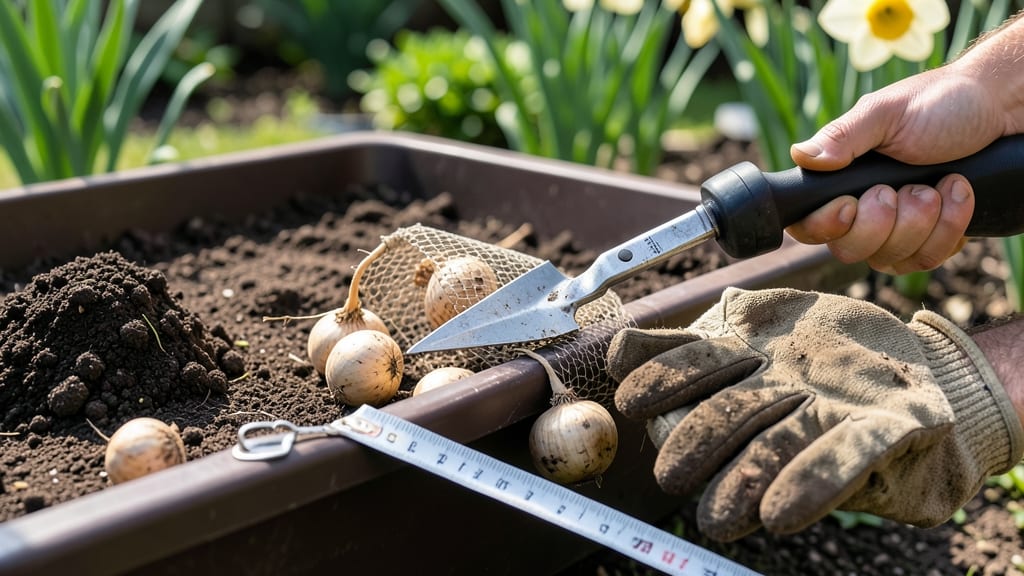
Timing your daffodil planting in Minnesota can feel like a high-stakes game of chance—get it wrong, and you might end up with frozen bulbs or missed spring blooms.
But here's the good news: with the right window, these 🌼 cold-hardy flowers become one of the most reliable additions to your garden, popping up year after year.
In Minnesota's 4a-5b zones, the key is planting between September and November, when soil temperatures drop but before the ground freezes solid. This 6-8 week window gives roots time to establish without inviting rot or early frost damage—critical for surviving our unpredictable winters.
Why does timing matter so much? Because daffodils need that perfect balance: planted too early, and they'll start growing before winter; too late, and they won't root deeply enough to bounce back in spring.
I'll walk you through the exact months that work best for your specific zone, plus pro tips to beat Minnesota's early freezes.
Ready to guarantee those cheerful yellow blooms next spring? Let's dive into the science behind planting daffodils that actually thrive in our brutal climate—no guesswork required.
Best planting timeline for Minnesota daffodils by hardiness zones
Minnesota's USDA Zones 3-5 demand precision when planting daffodils. The ideal window is 6-8 weeks before ground freeze, typically between mid-September and mid-November. This timing ensures bulbs establish roots before winter while avoiding late-season planting risks like rot or freezing before root growth.
Northern Minnesota (Zones 3-4) has earlier frost dates, so aim for late August to early October. Southern Minnesota (Zone 5) can extend planting until mid-November, but never after the first hard frost. The key is soil temperature—plant when it's below 60°F but still workable.
For reliable blooms, I recommend early fall planting (September-October). This gives roots time to anchor before winter while avoiding spring planting risks. Daffodils planted in spring often bloom poorly because they miss the critical root-establishment window before summer heat arrives.
Here's my Minnesota-specific planting timeline for Zones 3-5, accounting for frost dates and soil conditions:
Pro tip: Use a soil thermometer to verify temperatures. In Zone 3, I've seen daffodils planted as late as October 15th still thrive if soil temps are below 50°F. The rule of thumb is to plant when your lawnmower won't start easily—a sure sign of cooling soil.
For late-season planting (after October), choose extra-hardy varieties like 'Jersey Giant' or 'Thalia'. These can handle colder soil temps better than standard daffodils. I've successfully planted these as late as November 1st in Zone 4 with proper mulching.
Never plant daffodils in early spring unless you're in a mild microclimate. Spring-planted bulbs often bloom poorly or not at all because they lack the root establishment period before summer heat arrives. The only exception is if you're forcing bulbs indoors for early blooms.
Mulch heavily after planting with 3-4 inches of straw or shredded leaves. This insulates bulbs during winter temperature swings, which are common in Minnesota. I've seen 20°F temperature fluctuations in a single week during winter—proper mulching prevents bulb heaving and ensures consistent blooms.
Monitor your local frost dates using the MN State Climatology Office or Old Farmer's Almanac. In 2022, an early October frost caught many gardeners off guard. Planting 2 weeks earlier than average is safer than pushing your luck with late-season planting.
Remember: Daffodil bulbs need cold to bloom reliably. Without proper vernalization (cold exposure), they may produce fewer or weaker flowers. Minnesota's winters provide this naturally, but insulation matters. Aim for 6-8 weeks of cold before blooming season.
Best planting timeline for Minnesota daffodils by hardiness zones
Minnesota’s hardiness zones 3-5 demand precise timing for daffodil planting. The 6-8 week rule before ground freeze is your golden window—typically late September to early November.
In colder northern zones (Zone 3), aim for early September to avoid early frost, while southern areas (Zone 5) can extend planting until mid-November.
Local frost dates are your best guide. Most of Minnesota sees its first frost around October 1, but Zone 3 areas can freeze as early as September 20.
Planting too late risks bulbs rotting before winter sets in. For example, a Zone 4 gardener in Minneapolis should plant by October 15 to ensure roots establish before freeze.
Here’s how to adjust your timing by zone:
| Zone | Ideal Planting Window | Key Consideration |
|---|---|---|
| 3 (Northern MN) | Late August - Early September | Early frost risk; use cold-hardy varieties |
| 4 (Central MN) | Late September - October 15 | Balanced window; avoid late October |
| 5 (Southern MN) | October - Mid-November | Later frost dates; extend window |
For late-summer planting (August), focus on Zone 3 areas where early frosts are certain. Use well-draining soil and plant deeper (8 inches) to protect bulbs. In Zone 5, December planting is risky—bulbs may sprout too early and freeze.
If you miss fall, wait until early spring (March-April) but expect delayed blooms.
Soil temperature matters too. Aim for 50-60°F soil—use a soil thermometer to check. Cool, moist soil helps roots grow before winter. In heavy clay soils (common in MN), amend with compost or sand to prevent waterlogging. Mulch with 3-4 inches of straw after planting to insulate bulbs through winter.
Pro tip: Mark your planting dates on a calendar with last year’s frost dates. Minnesota’s unpredictable springs mean early blooms are possible—plan to enjoy April-June flowers! Just remember, fall planting = reliable blooms, while spring planting is a gamble.