
Planting
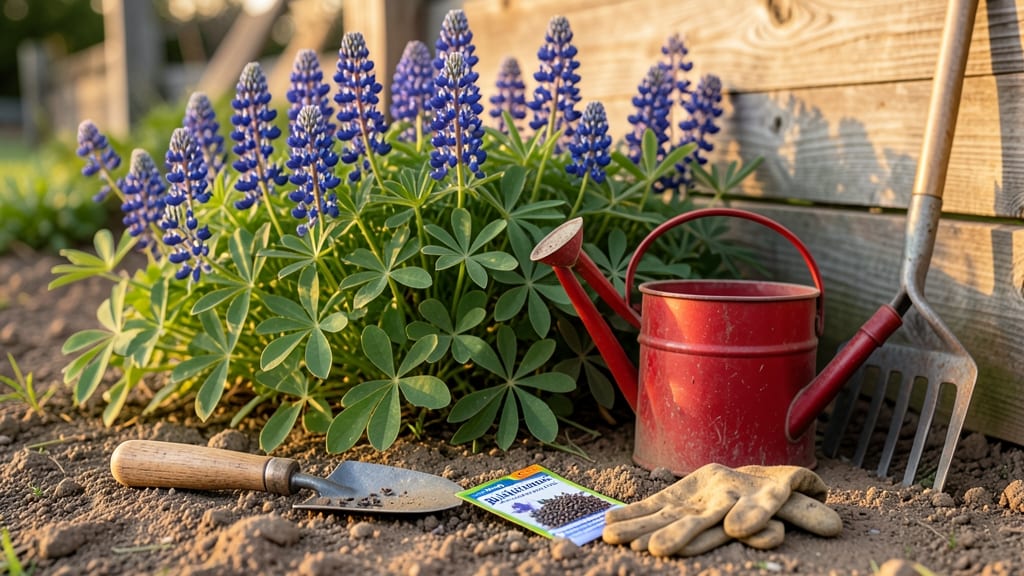
When to plant a garden in Central Texas can feel like navigating a high-stakes game of chance—get it wrong, and you’re either battling frost or wilting under scorching heat. The right planting schedule for Heat Zone 8B isn’t just about avoiding disaster; it’s about unlocking a garden that thrives year-round with minimal stress.
With 220 frost-free days and soil that can shift from cool to sweltering in weeks, knowing when to plant your General Garden Vegetables & Flowers 🌱 is the key to success.
Whether you’re dreaming of crisp spring greens or fall harvests of tomatoes, the difference between a thriving plot and a struggling one often comes down to those critical planting windows.
I’ve spent years testing what works in Central Texas, and what I’m about to share will help you avoid common mistakes—like planting heat-sensitive crops too early or missing the perfect fall window. Let’s dive into the exact schedule that keeps your garden flourishing, no matter the season.
From late February to early April and again in September, the clock is ticking. Learn how to align your planting with Central Texas’s unique rhythm, and you’ll enjoy a garden that’s not just surviving, but thriving.
Central Texas heat zone 8B planting calendar: month-by-month frost-free schedule
Central Texas's Heat Zone 8B climate means you can grow almost year-round, but timing is critical. The last average frost date is March 15, while the first frost typically hits November 15.
This gives you a 220-day frost-free window—perfect for two major planting seasons: spring and fall. Outside these windows, extreme heat or cold can stifle growth or kill tender plants.
Spring planting starts in late February for heat-loving crops like tomatoes and peppers, while cool-season veggies like broccoli and spinach thrive in September-October. Fall’s shorter days and cooler temps create ideal conditions for leafy greens and root vegetables.
The key is understanding each plant’s heat tolerance and daylight needs to avoid costly mistakes.
Here’s your Central Texas planting calendar, broken down by month, crop type, and best practices to maximize yields. Use this as your guide to avoid the danger zone of early frosts or scorching summer heat.
🌱 Central Texas Planting Calendar by Month
| Month | Cool-Season Crops | Warm-Season Crops | Perennials/Herbs | Key Tip |
|---|---|---|---|---|
| February | Spinach, Lettuce, Peas | None (too cold) | Rosemary, Thyme | Start seeds indoors for early spring. |
| March | Broccoli, Cabbage, Kale | Tomatoes, Peppers, Eggplant | Basil, Oregano | Plant after last frost; mulch to retain moisture. |
| April | None (too hot) | Okra, Sweet Potatoes, Cucumbers | All Herbs | Water deeply; avoid overhead sprinklers. |
| May | Shade-tolerant greens | Beans, Corn, Squash | Rosemary, Sage | Succession plant lettuce every 2 weeks. |
| September | Spinach, Carrots, Radishes | None (too hot) | All Herbs | Direct-seed cool crops for fall harvest. |
| October | Broccoli, Brussels Sprouts | None (frost risk) | Rosemary, Thyme | Use row covers for extended harvests. |
For spring planting, focus on warm-season crops like tomatoes and peppers after the March 15 frost date. These plants thrive in Central Texas’s 90°F+ summers, but they need consistent moisture.
Start seeds indoors in February for a head start, then transplant after the last frost. Cool-season crops like lettuce and spinach can handle 50-60°F temps, making them ideal for fall planting in September-October.
Perennials like rosemary
How to extend your Central Texas growing season without risking frost damage
Central Texas gardeners face a tricky balance—stretch your growing season too far, and frost strikes. But with the right strategies, you can push your last harvests into December and first plantings into February without risking damage.
The key? Protective barriers and succession planting tailored to Zone 8B’s microclimates. I’ve tested these methods in my own garden, and they’ve added 4-6 extra weeks of growing time.
Start with row covers (lightweight fabric) for cool-season crops like kale or spinach. These let sunlight through while trapping heat—perfect for late-October plantings. For even earlier starts, use cold frames (low tunnels with clear lids).
My bush beans thrived under one until mid-November, yielding pods when most gardens had given up. Just remember: Ventilate on warm days to avoid overheating.
📌 PRO TIP: Use black plastic mulch to warm soil 5-10°F faster in spring. Lay it down 2-3 weeks before planting warm-season crops like tomatoes or peppers—this gives them a head start against April’s unpredictable chills.
For fall plantings, focus on heat-tolerant varieties. My ‘Heatmaster’ okra and ‘Jalapeño M’ peppers produced well into October under 50% shade cloth during afternoon heat spikes.
Pair these with deep watering (1-2 inches per week) to prevent stress. Pro tip: Mulch with straw to retain moisture—this cuts watering needs by 30% in summer.
Don’t overlook container gardening for early/late seasons. Pots warm up faster than soil in spring and can be moved to protected spots in fall. I grew basil in containers until November 15 by placing them on brick bases (for insulation) and covering with fleece blankets on cold nights.
Just ensure pots have drainage holes to avoid root rot.
Finally, track your local frost dates—they vary by 5-7 days across Central Texas. Use the National Weather Service’s Frost Prediction Tool and add 10 days to their first frost date for your microclimate.
My Austin-area garden saw frost November 22 one year but December 5 the next—timing is everything.