
Trees
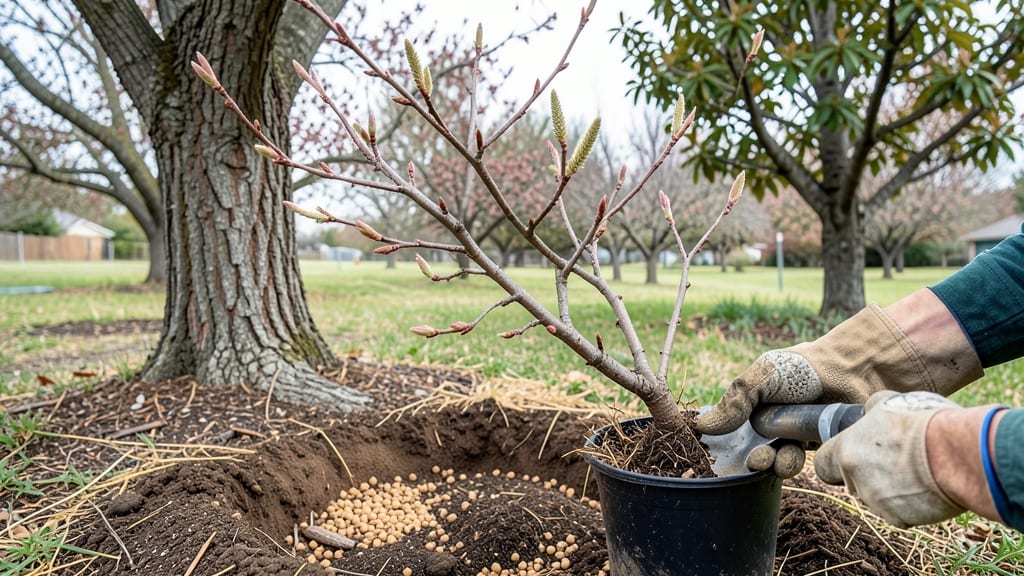
Planting fruit trees 🍎 in Central Texas at the wrong time can mean the difference between a thriving orchard and years of disappointment—thanks to the region’s brutal summers and unpredictable frost dates.
Unlike cooler climates, your timing window is narrow, and getting it right ensures your trees establish strong roots before the heat arrives.
Most gardeners in zones 8a-9b know the general rule: late winter to early spring. But here’s the catch—February through March isn’t a one-size-fits-all solution. Citrus trees, for example, need warmer soil to thrive, while peaches and plums demand cooler temperatures to avoid stress.
I’ll break down the best planting windows for each variety so you can avoid common mistakes.
Why does this matter? Because a tree planted too early may struggle with late freezes, while one planted too late might not mature in time for harvest. The key is matching your tree’s needs to Central Texas’ quirks—like our infamous March 15 average last frost date (which can shift yearly).
Let’s dive into the exact timing and care tips to set your fruit trees up for success.
You’ll discover how to prep your soil, choose the right varieties for your microclimate, and protect young trees from Texas’ temperature swings. Whether you’re planting a single peach tree or dreaming of a full orchard, these insights will help you maximize yields and avoid costly errors. Ready to get started?
Optimal planting months for Central Texas fruit trees by variety
Central Texas' USDA Zones 8a-9b offer a unique challenge for fruit tree growers, where late freezes and scorching summers demand precise timing. The ideal planting window spans from mid-February to early April, aligning with soil warmth and reduced frost risk.
However, not all fruit trees thrive in the same schedule—stone fruits like peaches and plums need cooler early springs, while citrus and figs prefer slightly later starts.
For peach and plum trees, aim to plant in late February to early March.
These stone fruits establish roots quickly in cooler soil but risk late-season frost damage if planted too late. Citrus varieties, including Meyer lemons and Calamondin oranges, should go in the ground by mid-March to avoid heat stress during root development.
Here’s a quick reference for Central Texas fruit trees and their best planting windows:
If you miss the primary planting window, some trees—like figs and citrus—can tolerate late-summer planting (August-September) in Central Texas, provided you water deeply and mulch heavily to protect roots from heat stress. However, stone fruits planted outside this window risk poor establishment due to summer’s intensity.
For container-grown fruit trees, adjust timing by 2-4 weeks earlier than in-ground planting. Containers warm up faster, so late February becomes the sweet spot for potted citrus or dwarf peaches. Just ensure containers have drainage holes and use well-draining soil mixes to prevent root rot.
Pro tip: Check your local frost dates annually—they shift slightly each year. The Texas A&M AgriLife Extension provides updated frost maps for Central Texas, which can help fine-tune your planting schedule for maximum success.
🌱
How to adjust planting timing for Central Texas’ unpredictable weather patterns
Central Texas’ weather is famously unpredictable—one day it’s freezing in February, the next it’s 100°F by April. These swings make timing critical for fruit tree success. Unlike cooler climates, where spring is gentle, Central Texas demands strategic adjustments to avoid heat stress or frost damage during vulnerable root-establishment phases.
For example, peach trees planted in late February might face early spring freezes, while citrus varieties need to avoid summer heat stress by establishing roots before June.
The key is aligning your planting window with your tree’s hardiness zone and microclimate—whether you’re in Austin’s cooler hills or San Antonio’s flatter, hotter plains.
Here’s how to adapt your timing for Central Texas’ quirks:
⚠️ Warning: Central Texas’ Frost Risks
Even in March, unexpected 28°F freezes can occur. If planting stone fruits (peaches, plums) in late winter, use frost cloth or delay until mid-March when frost risk drops below 10%. Citrus and figs are frost-sensitive—never plant them before April 15.
Soil temperature is another critical factor. Most fruit trees need soil to stay above 50°F for root growth. In Central Texas, this usually means waiting until mid-March for bare-root trees or container-grown varieties. Use a soil thermometer to confirm—bury it 4 inches deep for accurate readings.
Mulching is your best defense against temperature swings. Apply 3-4 inches of organic mulch (like pine straw or wood chips) around your tree’s base to insulate roots.
This keeps soil 5-10°F warmer in winter and cooler in summer, extending your planting window by 2-3 weeks on either end.
If you miss the ideal window, don’t panic. Container-grown trees can be planted in May with extra watering and shade cloth to reduce transplant shock. Just avoid planting in July or August—the intense heat stresses roots, and recovery takes 2+ years.
Finally, monitor your local microclimate. Urban areas like Austin retain heat longer, while rural spots near Lake Travis stay cooler. Use weather apps like MeteoBlue to track 10-day forecasts and adjust your timeline accordingly.