
Plants
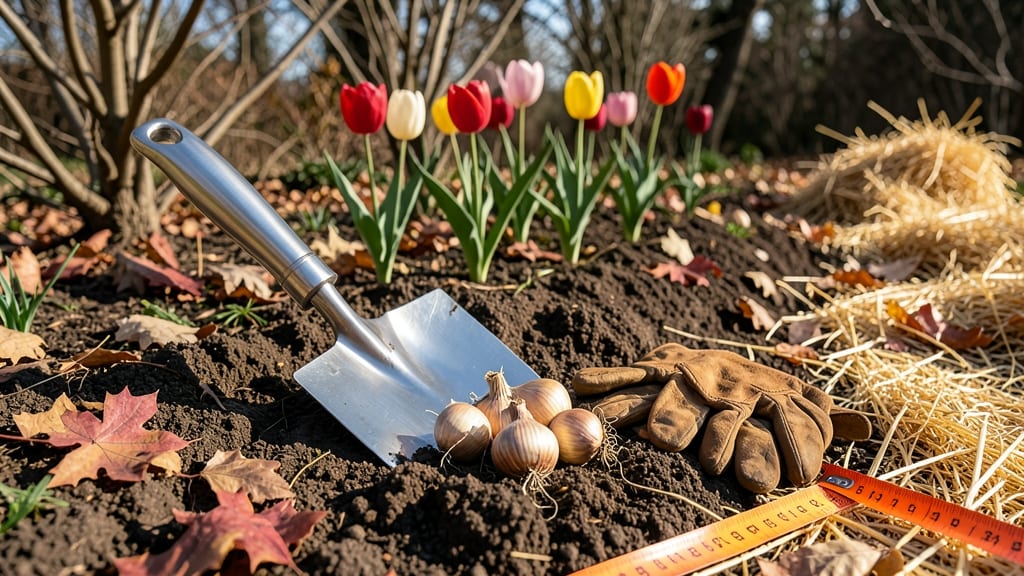
Timing your fall bulb planting correctly can mean the difference between vibrant spring blooms and wasted effort—but most gardeners miss the 6-week window before frost that makes all the difference.
Whether you're in USDA Zone 6a or beyond, getting this right ensures your 🌱 bulbs establish strong roots before winter sets in.
I’ve planted thousands of bulbs over the years, and the #1 mistake I see is waiting too long. Planting too early? Roots may rot. Too late? Bulbs won’t survive the freeze. The key is understanding your local frost date and working backward—because once the ground hardens, it’s game over.
In this guide, I’ll break down the exact timing for your region, how to prep soil for success, and which bulbs thrive when planted in fall.
You’ll learn why September and October are the magic months, how to adjust for early/late frosts, and even how to salvage bulbs if you miss the window.
Ready to set your garden up for next spring’s showstopper blooms? Let’s dive into the science—and simple steps—so you never guess again.
The 6-Week pre-frost rule: exact timing for fall bulb planting
Planting bulbs in the fall isn’t just about throwing them into the ground—it’s about giving them a 6-week head start before the first hard frost. This window allows roots to establish while the bulb remains dormant, ensuring vibrant spring blooms.
Miss it, and you risk weak growth or no flowers at all.
Most gardeners in the U.S. (USDA zones 3-10) should aim to plant between 6-8 weeks before frost. For example, in Zone 5, with a first frost around October 15, the ideal window is mid-August to early October. Adjust for your zone using the chart below.
Soil temperature is your real guide. Bulbs need 60°F (15°C) or cooler to break dormancy. Use a soil thermometer to confirm—planting too early in warm soil can trigger premature sprouting, which weakens the bulb before winter.
Regional variations matter. In the Northern Hemisphere, early frosts (like in Zone 3) mean planting as early as late August. In the South (Zone 10), where winters are mild, you can plant until December, but aim for October-November for best results.
If you’re late, don’t panic. Store bulbs in a cool, dark place (like a garage) and plant them as soon as the ground cools. Just avoid planting when the ground is frozen or slushy—bulbs need firm soil to root properly.
🌱 Fall Bulb Planting Calendar by USDA Zone
| Zone | First Frost | Planting Window | Soil Temp Goal |
|---|---|---|---|
| 3-4 | Mid-September | Late August | 50-60°F (10-15°C) |
| 5-6 | Mid-October | Late August–Early October | 55-60°F (13-15°C) |
| 7-8 | Late November | September–October | 60-65°F (15-18°C) |
| 9-10 | December–January | October–December | 65-70°F (18-21°C) |
⚠️ Pro Tip: In Zone 10+, plant daffodils and crocuses in winter for spring blooms!
Early frosts? Plant hardy bulbs first (like crocuses and snowdrops, which tolerate 20°F (-7°C)). Late frosts? Focus on tender bulbs (e.g., dahlias)—they need 60°F (15°C) soil but can’t handle freezing.
Test your soil’s readiness by pushing a broadfork 6 inches deep. If it resists, wait a week. If it crumbles easily, it’s time to plant. Mulch after planting to insulate roots and lock in moisture for winter.
Remember: Bulbs planted in fall need no spring fertilizer—they’ve already stored enough energy. Over-fertilizing now can lead to weak stems or fewer blooms next spring.
✅ Ready to plant? Grab your bulbs, gloves, and a soil thermometer, then follow the zone guidelines above. Your spring garden will thank you!
How to prepare bulbs and soil for fall planting success
Preparing your bulbs and soil properly is the secret weapon for spring blooms that steal the show. I’ve seen gardens fail because of overlooked details like drainage issues or soft bulbs—but when you get this right, your bulbs will establish roots like a champ before winter arrives.
Start by inspecting your bulbs for any signs of rot or damage. A firm, dry bulb is your goal—if you find any that feel mushy or have mold, toss them.
Store any extras in a cool, dark place (like a garage) until you’re ready to plant. This keeps them fresh and ready to go.
Next, focus on your soil. Bulbs hate soggy soil—it causes rot faster than you can say "spring blooms." Amend your garden beds with compost or peat moss to improve drainage, especially if your soil is heavy clay.
A simple test: Dig a 6-inch hole, fill it with water, and see how long it takes to drain. If it’s still wet after an hour, you need more amendments.
Avoid These 3 Mistakes That Kill Root Growth
- Planting too deep—roots need room to grow downward.
- Using fresh manure—it burns bulbs and stunts growth.
- Skipping mulch—protects roots from freezing/thaw cycles.
When planting, aim for a depth that’s 2-3 times the bulb’s height. For example, a 2-inch tulip bulb should go 4-6 inches deep. Use your finger to create small holes—this makes planting easier and ensures you don’t damage the bulbs.
If you’re planting in containers, choose pots with drainage holes and use a well-draining mix.
After planting, add a 2-3 inch layer of mulch around your bulbs. This insulates them from temperature swings and keeps moisture levels steady. Avoid piling mulch directly against the bulbs, though—leave a small gap to prevent rot. Water deeply after planting to settle the soil and encourage root growth.
Finally, mark your planting spots with flags or stakes so you don’t accidentally dig them up in spring. Some bulbs, like daffodils, need their leaves to photosynthesize for months before blooming—disturbing them too early can mean fewer flowers next year.
With these steps, your bulbs will be ready to burst into color as soon as the snow melts!