
Plants
Planting your daffodil bulbs at the wrong time in Northern California could mean waiting years for those cheerful 🌼 blooms—or never seeing them at all.
The key isn’t just picking a month; it’s understanding how your microclimate (coastal fog vs. inland heat) shifts the perfect window from October to December.
If you’ve ever wondered why your neighbors’ daffodils pop up in February while yours lag behind, the answer lies in 6-8 weeks of chilling before the ground freezes.
In USDA zones 8a-9b, that means timing your planting to avoid the first frost—usually by mid-December—while giving bulbs enough time to root.
Here’s the game-changer: Coastal areas like San Francisco can plant later than inland spots like Sacramento, thanks to milder winters. I’ll show you exactly how to adjust for your specific zone, plus the 3 critical mistakes that ruin even the best-laid plans.
Ready to transform your garden into a springtime explosion of color? Let’s dive into the best months for your microclimate—and why a 2-week difference can make or break your daffodils.
Northern California daffodil planting calendar by USDA Zone (best months revealed)
Planting daffodil bulbs in Northern California requires precision—especially since the region spans USDA Zones 7b to 10a, each with unique frost risks and soil conditions.
The optimal planting window is 6-8 weeks before the first frost, but timing shifts dramatically from the cooler Sierra foothills to the milder Bay Area coast.
In Zone 7b (e.g., Sacramento Valley), aim for mid-October to early November, while Zone 9b (e.g., Santa Rosa) can extend planting until late December.
Daffodils need chilling hours (300–600) to bloom, so planting too early in warm zones (like Zone 10a) can trigger premature sprouting and frost damage. Conversely, late planting in Zone 7b risks bulbs not rooting before winter.
The key? Monitor soil temperatures—aim for 50–60°F at planting depth. Use a soil thermometer or check local Almanac frost dates to fine-tune your schedule.
Here’s how USDA Zones 7b–10a break down for daffodil planting, including critical deadlines and microclimate adjustments:
For Zone 7b gardeners, prioritize early October planting—this gives bulbs time to establish roots before November’s first frost. In Zone 9b, you can push planting to early January, but avoid February to prevent heat stress.
Pro tip: Pre-chill bulbs for 6–8 weeks in the fridge if planting outside the ideal window.
Soil preparation is non-negotiable. Daffodils hate soggy soil—amend heavy clay with compost or sand, and ensure drainage by planting on mounds in low-lying areas.
Test your soil’s pH (6.5–7.0) and add lime if needed. Well-draining soil prevents bulb rot, the #1 killer of newly planted daffodils in Northern California’s winter rains.
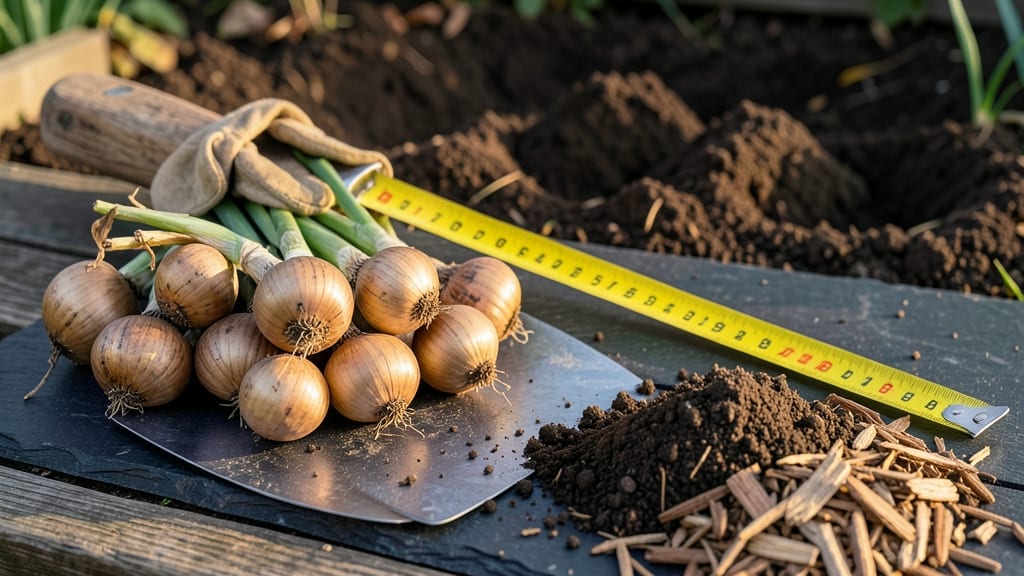
Plant bulbs 6–8 inches deep and 4–6 inches apart—deeper in sandy soil, shallower in clay. Use a hand trowel for precision, especially in urban gardens where space is limited.
Water deeply after planting to settle soil and eliminate air pockets around roots. Mulch with 2–3 inches of straw to insulate bulbs and retain moisture during dormancy.
Timing isn’t just about months—it’s about weather cues. Plant when daytime highs drop below 70°F and nights dip into the 50s. In coastal areas, this happens by mid-October, while inland valleys may wait until November.
Always plant before the first hard frost—daffodil bulbs can tolerate light freezes but won’t survive prolonged 28°F or below.
If you miss the window, don’t panic. January planting is still viable in Zones 9a–10a, but use shade cloth to protect bulbs from spring heat. For Zone 7b, wait until next fall—bulbs won’t survive if planted after December 1.
The key takeaway: Northern California’s microclimates demand flexibility. Adjust your schedule based on local frost data, not just zone averages.
🌱
Microclimate-specific tips: when to plant in coastal vs. valley vs. mountain regions
Northern California’s microclimates create wildly different conditions for daffodil bulbs. Coastal areas like San Francisco stay milder, while inland valleys like Sacramento experience hotter summers and colder winters.
Even the Sierra foothills have unique chilling requirements. Let’s break down the best planting times for each region to ensure your daffodils thrive.
In coastal regions (USDA Zone 9b), such as the Bay Area, you can plant daffodil bulbs as late as December. The cooler ocean breezes delay frost, giving you extra time.
Aim for mid-November to early December for the best results. The foggy summers also mean bulbs won’t bake in the soil, reducing stress.
For valley regions (USDA Zones 8a-9a), including Sacramento and Stockton, plant bulbs between October 15 and November 15. These areas experience hotter summers and earlier frosts, so timing is critical.
Plant too early, and bulbs may sprout before winter; too late, and they won’t establish roots before freezing.
In mountain regions (USDA Zone 7b), like the Sierra foothills, plant bulbs as early as September. The cooler soils and longer chilling periods mean bulbs need extra time to establish roots before winter. If you wait until October, the ground may freeze too soon, stunting growth.
Urban areas like Sacramento or Oakland act as heat islands, where pavement and buildings trap warmth. Plant bulbs by early October to avoid overheating. Use mulch to insulate soil and reduce temperature swings.
In windy coastal spots, like Point Reyes, delay planting until late November to give bulbs time to anchor before winter storms.
Pro tip: Check your local frost dates—plant bulbs 6-8 weeks before the first frost. Use a soil thermometer to confirm ground temps are below 60°F but not yet frozen. Adjust your timing based on these cues, and your daffodils will reward you with vibrant blooms next spring.