
Plants
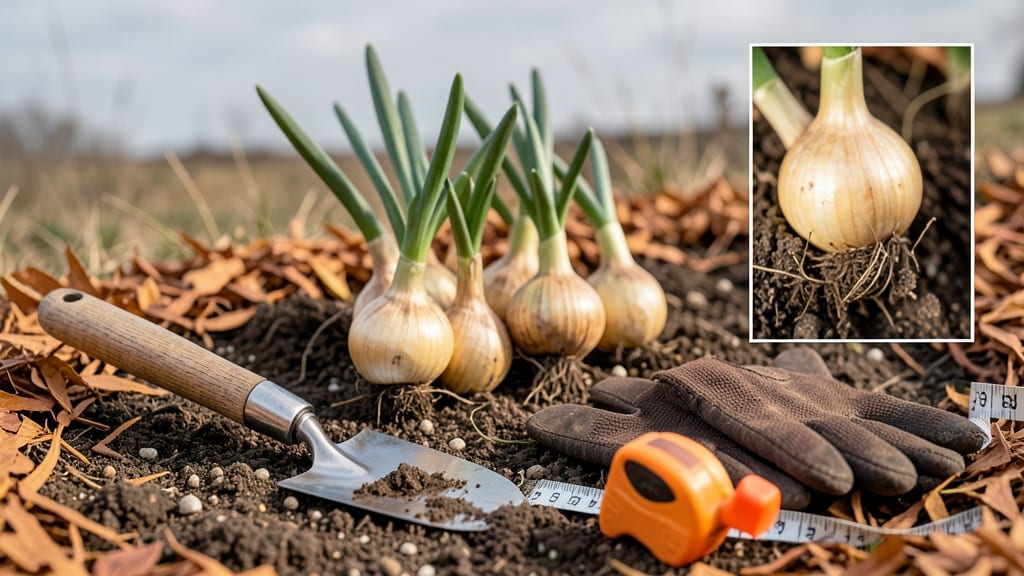
Planting daffodil bulbs at the right time in Maryland is the secret weapon for those cheerful spring blooms that brighten up your garden. If you've ever wondered why some daffodils thrive while others fail, timing is the key factor you can't afford to miss.
Maryland's 7a-7b climate gives you a narrow but perfect window—typically between October and November—when soil temperatures drop just enough for bulbs to root before winter sets in. Get it right, and you'll be rewarded with 🌼 daffodils popping up like clockwork next spring.
I've seen firsthand how a few weeks' difference can mean the difference between a garden full of blooms and a missed opportunity. Whether you're a seasoned gardener or just starting, this guide will walk you through Maryland's ideal planting schedule and why it matters so much.
Let's dive into exactly when to plant, how deep to go, and what Maryland's unique conditions mean for your daffodils' success. You'll learn the most important steps to ensure your bulbs take root properly and come back stronger every year.
Optimal Maryland daffodil planting timeline: exact months and weather conditions
Planting daffodil bulbs in Maryland requires precision timing to ensure they establish roots before winter. The ideal window is between mid-October and early November, when soil temperatures drop below 60°F but before the ground freezes.
This timing aligns perfectly with Maryland’s Zone 6-7 climate, where first frost typically arrives around November 15.
For best results, aim to plant 4-6 weeks before the first hard frost. In Maryland, this usually means late October to early November. Bulbs need time to develop roots before winter dormancy, so don’t wait until December—by then, they’re at risk of rotting in cold, wet soil.
Think of it as giving your daffodils a head start for next spring’s spectacular blooms.
Maryland’s fall weather patterns play a critical role. Cooler temperatures and consistent rainfall in October create perfect conditions for bulb root growth. However, if you experience an unusually warm fall, like the ones we’ve seen in recent years, bulbs may sprout too early and get damaged by early frost.
Always check your local frost date forecast to adjust timing accordingly.
Here’s a quick rule of thumb: Soil temperature should be between 40°F and 60°F when planting. Use a soil thermometer to confirm—this ensures bulbs won’t rot from warmth or dry out too quickly. In Maryland, soil temps drop below 60°F around mid-October, making that your sweet spot for planting.
| Planting Stage | Maryland Timeline | Key Conditions |
|---|---|---|
| Soil Prep | Early October | Loosen soil, add compost, ensure drainage |
| Bulb Purchase | Late September | Choose firm, disease-free bulbs |
| Planting Window | Mid-October to early November | Soil temp: 40°F–60°F, no frost |
| Post-Planting Care | November | Water lightly, mulch after ground freezes |
| Spring Blooms | April–May | Full sun, minimal care needed |
If you’re planting in northern Maryland (e.g., Baltimore County), where winters are slightly colder, push planting toward late October. For southern Maryland (e.g., Calvert County), where mild winters are common, you can extend planting until early November.
Always prioritize root establishment over rushing—bulbs planted too late may not survive the winter.
Another critical factor is soil drainage. Maryland’s clay-heavy soils can trap moisture, leading to bulb rot. Amend your soil with organic matter like compost or sand to improve drainage.
If your garden sits in a low spot where water pools, consider planting daffodils in a raised bed or on a slight slope to prevent waterlogging.
Pro tip: Mulch after planting once the ground freezes to insulate bulbs. Use 2–3 inches of straw or shredded leaves, but avoid piling mulch directly against bulb necks.
This protects them from temperature fluctuations and keeps them cozy through Maryland’s Zone 6-7 winters. Remove mulch in early spring to allow sunlight to reach emerging foliage.
Remember, daffodils are perennials, meaning they’ll return year after year if planted correctly. By following Maryland’s optimal fall timeline, you’re setting the stage for vibrant spring displays that’ll brighten up your garden for decades.
The key is patience—let nature do the work while you enjoy the anticipation of those first golden blooms in April.
For extra peace of mind, mark your planting date on a garden calendar. Next year, you’ll thank yourself for nailing the timing—especially when your neighbors’ daffodils fail to bloom while yours shine like sunny Maryland afternoons.
Optimal Maryland daffodil planting timeline: exact months and weather conditions
Maryland’s Zone 6-7 climate demands precise timing for daffodil bulbs—plant too early, and they’ll rot; too late, and they won’t establish roots before winter. The ideal window is mid-October through November, when soil temperatures drop below 60°F (15°C) but before the ground freezes.
This ensures bulbs root deeply while avoiding winter dormancy stress.
For Maryland gardeners, aim to plant by November 15 in most regions, but adjust for your specific last frost date. In colder northern areas like Baltimore County, plant by mid-October; in warmer southern zones like Calvert County, you might extend planting until early December.
The key is to give bulbs 6-8 weeks to root before winter sets in.
Soil temperature is your best guide: Use a soil thermometer to confirm 50-60°F (10-15°C) readings. If temperatures fluctuate above 70°F (21°C), bulbs may sprout prematurely and get damaged by frost. Maryland’s unpredictable fall weather makes this timing critical—don’t wait for the first frost to plant!
| Stage | Action | Maryland Timing |
|---|---|---|
| Soil Prep | Loosen soil, amend with compost | September-October |
| Bulb Purchase | Choose firm, disease-free bulbs | August-September |
| Planting Window | Plant bulbs 6 inches deep, 4-6 inches apart | Mid-October to November 15 |
| First Frost | Bulbs must root before ground freezes | November 15 (varies by region) |
Pro tip: Test your soil’s drainage before planting. Daffodils hate soggy soil—amend heavy clay with sand or perlite if needed. In wetland areas like parts of Anne Arundel County, consider raised beds to prevent bulb rot.
Once planted, mulch with 2-3 inches of straw to insulate bulbs and retain moisture during Maryland’s unpredictable winters.
If you miss the fall window, don’t panic! Daffodils can handle early spring planting (March-April), though blooms may arrive later. However, fall-planted bulbs establish stronger roots and produce bigger, more vibrant flowers the following spring.
For Maryland’s climate, prioritize fall planting—your garden will thank you with bold, early spring color!
Remember: Daffodils naturalize over time, meaning they’ll multiply and return year after year if planted correctly. With the right timing and care, your Maryland garden could become a daffodil hotspot that neighbors envy. Happy planting!