
Plants
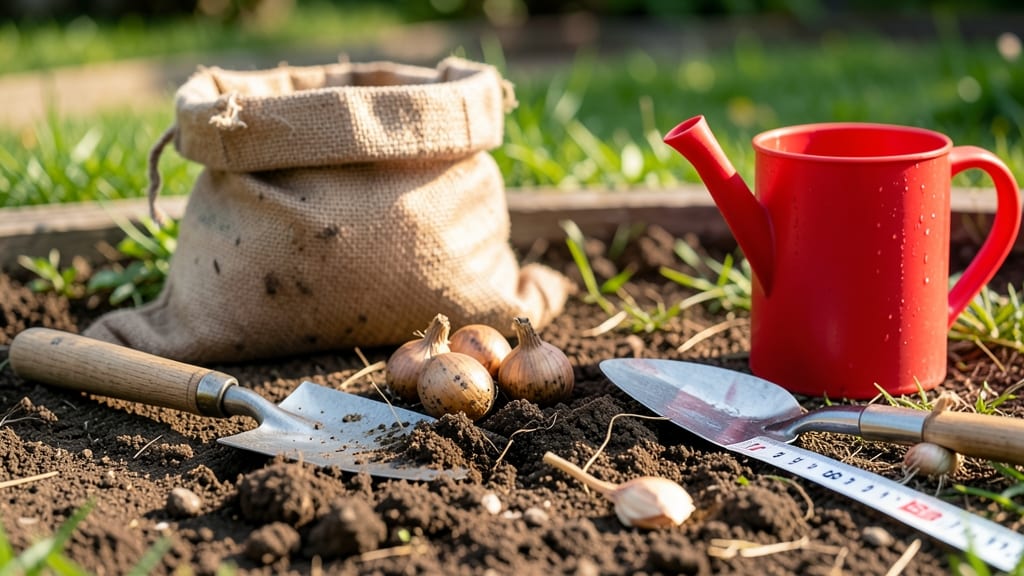
Planting daffodil bulbs at the wrong time in Zone 9 can mean the difference between vibrant spring blooms and wasted effort—especially when frost isn’t a threat. The key to success lies in understanding when to plant daffodil bulbs in Zone 9 without relying on traditional frost dates.
Unlike colder climates, your Zone 9 (e.g., Phoenix, Southern California) schedule hinges on heat avoidance and soil temperature, not freezing risks.
Most gardeners in Zone 9 make one critical mistake: waiting too long into fall when summer’s heat lingers in the soil. October through December is your sweet spot, but timing matters more than you think.
Plant too early, and your bulbs may sprout prematurely; too late, and they’ll struggle to establish roots before the dry heat sets in. Let’s break down the exact window and temperature rules to ensure your 🌼 daffodils thrive.
You’ll also discover why soil prep is just as important as planting dates—especially in Zone 9’s well-draining soils. We’ll cover 5 common mistakes that kill bulbs here, from overwatering to planting depth, and how to avoid them.
Plus, I’ll share my top daffodil varieties that handle Zone 9’s heat like champions, so you can skip the guesswork and pick winners from day one.
Ready to transform your fall gardening? By the end of this guide, you’ll know exactly when to plant, how deep to go, and what aftercare keeps your daffodils blooming year after year—no frost required. Let’s get those bulbs in the ground the right way.
Zone 9 daffodil planting timeline: exact months and temperature rules
In Zone 9, where frost is rare, timing your daffodil bulbs for planting isn’t about avoiding cold—it’s about escaping summer’s brutal heat. Bulbs need 60-65°F soil temps to root before summer arrives, so aim for October through December.
This window ensures roots establish before the heat stress of Zone 9 summers sets in.
Unlike colder zones, you won’t rely on frost to trigger blooms. Instead, focus on soil temperature and rainfall patterns. Plant too early (like September), and bulbs may sprout prematurely, only to wilt in summer heat.
Wait too long (January), and roots won’t have time to anchor before the growing season kicks off.
Here’s the golden rule: Plant when daytime temps hover around 70-75°F but soil 2-3 inches deep is cooling to 60°F. This usually lands in late October to early November for most of Zone 9, including areas like Phoenix or Los Angeles.
🌱
| Stage | Action | Ideal Time | Soil Temp |
|---|---|---|---|
| Prep Soil | Loosen soil, amend with compost | Late September | 70-75°F |
| Plant Bulbs | 6" deep, 4-6" apart | October-November | 60-65°F |
| Water Deeply | 1" per week, taper in winter | Post-planting | Consistent moisture |
| Mulch Lightly | 2" organic mulch | After planting | Retain moisture |
| Bloom Time | Spring (Feb-April) | After roots establish | 50-60°F soil |
If you miss the October-November window, don’t panic. January planting is your backup—just be prepared for bulbs to bloom later in spring. The key is ensuring roots have 4-6 weeks to grow before summer heat stress kicks in. Use a soil thermometer to check temps if you’re unsure.
Pro tip: In Zone 9b (hotter areas like Palm Springs), plant on the earlier side of the window (late October) to avoid summer’s extreme heat. In cooler microclimates (like Santa Barbara), you can stretch into early December.
After planting, water deeply but reduce frequency in winter. Daffodils in Zone 9 hate soggy soil, which can rot bulbs. Aim for 1 inch of water per week in fall, then taper to monthly watering once established.
One common mistake in Zone 9 is assuming daffodils will bloom in winter like in colder zones. They won’t! Instead, they’ll store energy underground until spring when temps drop slightly. This is why timing roots before summer is critical—it’s their only chance to prepare for the heat.
For container gardening in Zone 9, plant bulbs in October-November too, but use pots with drainage. Move containers to partial shade in summer to protect bulbs from overheating. Mulch containers with 2-3 inches of straw to insulate roots.
🌿
Zone 9 daffodil planting timeline: exact months and temperature rules
In Zone 9, frost isn’t your enemy—summer heat is. The key to planting daffodil bulbs successfully here is timing them to avoid soil temperatures above 70°F during root establishment. Unlike cooler climates, your bulbs need 6-8 weeks of cool weather to develop roots before summer’s dry heat arrives.
Aim for October through December, but the exact window depends on your local microclimate.
Most gardeners in Phoenix or Southern California make the mistake of waiting until November, but by then, soil temps may still be too warm. Check your soil temperature at 4-6 inches deep—ideal planting temps are between 50-60°F.
Use a soil thermometer for accuracy, or plant when evening temps consistently drop below 75°F. This usually lands in late September to early November for most of Zone 9.
| Month | Soil Temp | Action | Notes |
|---|---|---|---|
| Late September | 60-70°F | Plant early varieties | Best for coastal areas |
| October | 50-60°F | Ideal planting window | Most reliable success |
| November | 45-55°F | Plant late varieties | Avoid if soil >60°F |
| December | 40-50°F | Last chance | Risk of winter sprouting |
If you miss the fall window, don’t panic—January is your second chance, but bulbs planted then may bloom later or require extra care. The goal is to give roots 6-8 weeks of cool weather before summer heat arrives.
In Zone 9b (e.g., Phoenix), aim for planting by mid-November at the latest, while coastal areas can plant as late as early December due to milder winters.
Pro tip: Use black plastic mulch or straw mulch after planting to keep soil temps stable and retain moisture. This is especially critical in Zone 9’s dry climate, where bulbs can dry out before roots establish.
Water deeply after planting, then once a week until rains return. Avoid overwatering—daffodils hate soggy soil.
Remember, the earlier you plant, the earlier your daffodils will bloom. In Zone 9, bulbs planted in October often produce February blooms, while those planted in November may bloom in March or April.
Choose your timing based on whether you want early spring color or don’t mind waiting for cooler weather.
For zero-frost success, the secret is cool soil + consistent moisture. Skip the guesswork by testing soil temps and sticking to the October-November window. Your daffodils will thank you with bold, healthy blooms—no frost required! 🌼