Plants
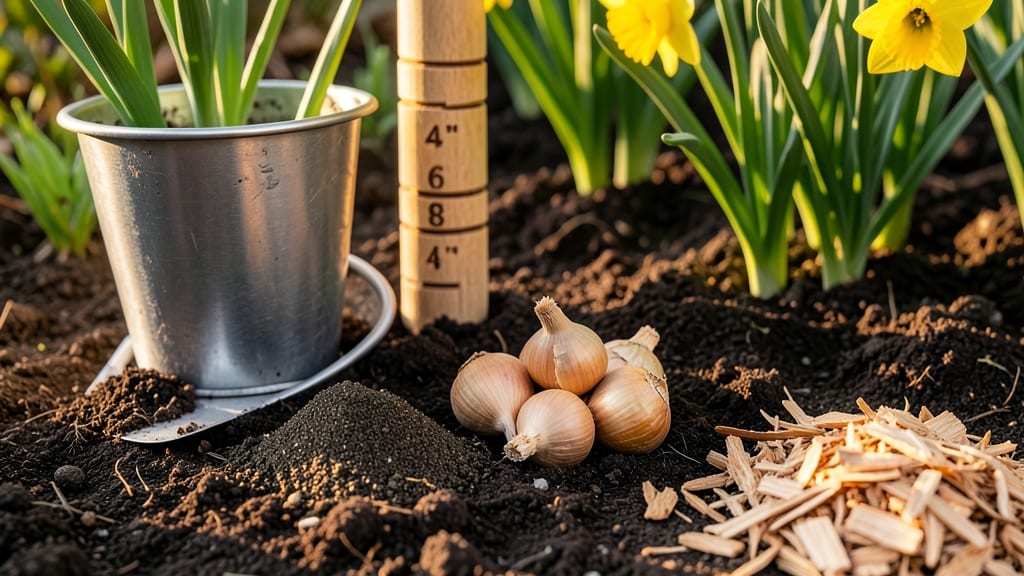
If you want those cheerful 🌼 daffodils to burst through your Virginia garden next spring, when to plant daffodil bulbs in Virginia is the key.
Planting too early or late can leave your bulbs vulnerable to frost or weak growth, so getting it right means the difference between a stunning display and a disappointing flop.
Virginia’s 6a-7b climate gives you a narrow window—typically between October and November—to plant daffodil bulbs before the ground freezes. But don’t wait until the last minute; bulbs need 4-6 weeks to establish roots before winter sets in.
Miss this window, and you might end up with bulbs that struggle or fail to bloom.
Beyond timing, Virginia’s soil and humidity add extra layers to the process. Heavy clay soil or soggy conditions can rot bulbs, while deer and other critters might see your garden as an all-you-can-eat buffet.
The good news? With the right prep—like well-draining soil and a little mulch—your daffodils will thrive and reward you with vibrant blooms by April or May.
I’ll walk you through the exact steps to plant your bulbs at the perfect moment, plus pro tips to avoid common mistakes. Let’s get those 🌼 daffodils off to the best start possible!
Optimal Virginia fall planting dates for daffodil bulbs by region
Timing your daffodil bulb planting in Virginia depends on your region’s unique climate—whether you’re in the humid Coastal Plain, the transitional Piedmont, or the cooler Mountains. Planting too early risks rot from lingering warmth, while waiting too long means bulbs won’t root before frost.
Aim for 4-6 weeks before your area’s first frost, typically between mid-October and November, but adjust based on soil temperatures.
Virginia’s USDA zones 6a–7b create microclimates where a week’s difference can mean the difference between thriving blooms and failed growth. For example, Richmond’s Piedmont zone (7a) has a later frost date than Roanoke’s Mountains (6b), so timing shifts accordingly.
Check your local first-frost average—most Virginia regions experience it between October 15 and November 15.
Soil temperature is your best guide: daffodil bulbs need 60°F soil to start rooting but can’t tolerate freezing. Use a soil thermometer to confirm—plant when temps hover around 50–60°F at 4 inches deep.
In Coastal Virginia, this often means late October, while Western Virginia’s cooler zones may require planting by mid-October.
Here’s how Virginia’s three regions break down for fall daffodil planting, including soil prep cues and frost buffers to ensure your bulbs establish roots before winter sets in:
For Coastal Virginia gardeners, late October is your sweet spot—humidity here can linger into November, so planting early risks soggy soil. In the Piedmont, where Richmond and Charlottesville reside, early November works best, as the climate cools faster.
Meanwhile, Mountain regions like Roanoke and Blacksburg demand earlier action: mid-October ensures bulbs root before the ground freezes.
Pro tip: If you’re unsure about your frost date, use the "10-12 week rule". Count back 10–12 weeks from your average first frost—this lands you in the ideal window.
For example, if your frost hits November 1, plant by early September (though this is early for most Virginia zones). Adjust based on soil moisture—dry spells may require delaying planting until rain returns.
Once you’ve nailed the timing, mulching becomes critical. Apply a 2–3 inch layer of straw or shredded leaves after planting to insulate bulbs from temperature swings. In Coastal Virginia’s wetter climate, this prevents rot; in the drier Mountains, it retains moisture.
Remove mulch in early spring (February–March) to allow soil to warm and trigger blooming.
Remember: daffodils thrive in Virginia’s climate because they’re hardy to Zone 3, but they need 6–8 weeks of cool soil to form roots.
Planting at the right time ensures they’ll push through winter dormancy and reward you with vibrant spring blooms—often as early as March in the Mountains or April in Coastal areas.
If you miss the fall window, spring planting is possible but risky—bulbs may flower poorly or not at all. For guaranteed success, mark your calendar for October and set a reminder when soil temps drop to 60°F. Your future spring garden will thank you! 🌼
How to prepare Virginia soil for daffodil bulbs before planting
Preparing your Virginia soil properly is the foundation for healthy daffodil bulbs that thrive through winter and burst into bloom next spring. Daffodils prefer well-draining, slightly acidic soil with plenty of organic matter—something many Virginia gardens (especially in heavy clay areas) need help achieving.
Start by testing your soil’s pH level—aim for a range of 6.0 to 7.0, which is ideal for bulb growth.
If your soil is too alkaline (common in Coastal Virginia), mix in sulfur or peat moss to lower the pH gradually. For clay-heavy soils in the Piedmont, amend with compost or sand to improve drainage.
The goal is to create a loose, airy medium where bulbs can spread roots freely without sitting in soggy conditions.