
Plants
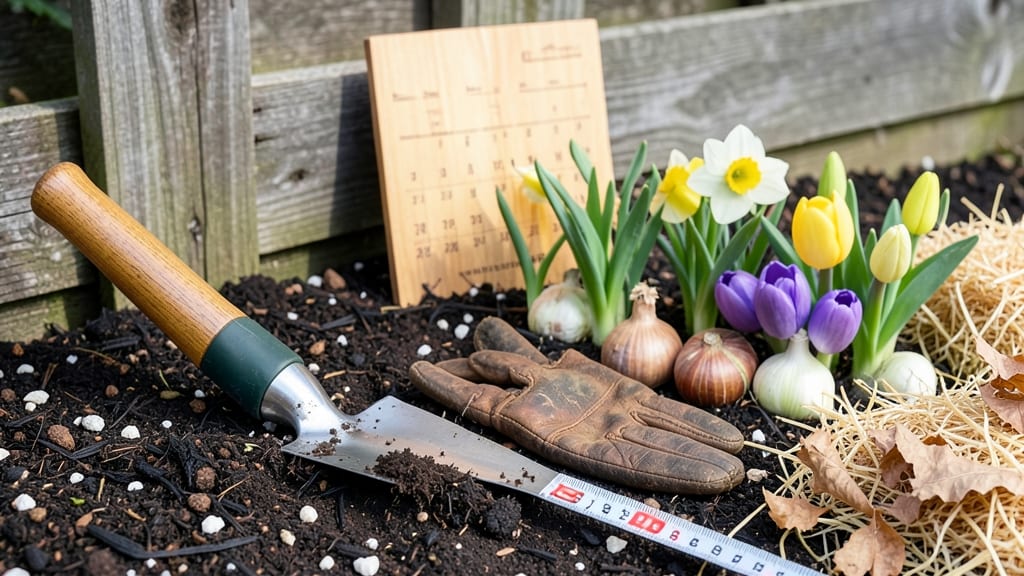
Knowing when to plant bulbs in Zone 7B can make the difference between a garden bursting with 🌷 spring color and one that disappoints. The secret lies in timing these hardy plants just right—before frost sets in but after the soil cools enough to encourage strong root growth.
In Zone 7B, where mild winters and unpredictable frost dates come into play, planting too early or too late can leave your bulbs vulnerable. Whether you're prepping for tulips, daffodils, or crocus, the perfect window is critical for ensuring vibrant blooms next spring.
I’ll walk you through the ideal planting months for both fall and early spring bulbs, plus how to adjust for Zone 7B’s unique climate quirks. No more guessing—just foolproof timing to set your garden up for success.
From soil prep to post-planting care, you’ll learn everything needed to give your bulbs the best possible start. Let’s get those roots growing strong before the first frost hits!
Ideal planting windows for bulbs in zone 7B: month-by-month breakdown
Zone 7B’s mild winters and variable frost dates create a unique challenge for bulb planting. Unlike colder zones, you can’t rely on a single "first frost" date—some years, bulbs may need 6-8 weeks of root growth before 28°F temperatures arrive.
My strategy? Plant spring-blooming bulbs in late fall (October-November) and early spring (February-March) for maximum success.
For tulips and daffodils, aim to plant when soil temps drop to 60°F—typically October 15-November 15. This gives roots time to establish before winter. Crocus and hyacinths, however, are more frost-tolerant and can handle November planting or even early December in sheltered spots.
The key is soil temperature, not air temperature.
Here’s my quick-reference table for Zone 7B bulb planting, including soil prep and frost risk analysis:
| Bulb Type | Ideal Planting Window | Soil Temp Threshold | Frost Risk | Notes |
|---|---|---|---|---|
| Tulips | Oct 15–Nov 15 | 60°F (15°C) | Moderate (Nov–Dec) | Needs chilling; plant deep (6–8") |
| Daffodils | Oct 1–Nov 30 | 55°F (13°C) | Low (Dec–Jan) | Deer-resistant; tolerates wet soil |
| Crocus | Nov 1–Dec 15 | 50°F (10°C) | High (Jan–Feb) | Early bloomer; plant shallow (3–4") |
| Hyacinths | Oct 15–Nov 30 | 60°F (15°C) | Moderate (Nov–Dec) | Fragrant; needs well-drained soil |
| Alliums | Oct 1–Nov 15 | 55°F (13°C) | Low (Dec–Jan) | Drought-tolerant; great for pollinators |
If you miss the fall window, don’t panic! Many bulbs—especially daffodils and alliums—can be planted in early spring (February-March) as long as soil is workable. Just be prepared for smaller blooms the first year, as roots won’t have as much time to establish.
I’ve had great success with February-planted daffodils in my Zone 7B garden, though they bloom 2-3 weeks later than fall-planted ones.
For late bloomers like <
Ideal planting windows for bulbs in zone 7B: month-by-month breakdown
Zone 7B’s mild winters and extended frost-free periods create a unique window for planting bulbs. Unlike colder zones, you can plant both fall-blooming bulbs (like crocus) and spring-blooming varieties (like tulips) with flexibility.
The key is planting 6-8 weeks before the first frost—typically by mid-November—to allow roots to establish before winter.
For spring-flowering bulbs, aim for October through November planting. This gives roots time to grow before dormancy. In contrast, fall-blooming bulbs (like snowdrops) can handle late fall planting, even into December, as long as the ground isn’t frozen.
Early spring planting in February or March is also viable for hardy varieties like daffodils.
🌱 Zone 7B Bulb Planting Timeline
| Bulb Type | Ideal Planting Month | Soil Temp Threshold | Frost Risk |
|---|---|---|---|
| Tulips | October–November | 50–60°F | Low (Zone 7B) |
| Daffodils | October–December | 40–50°F | Very Low |
| Crocus | September–November | 45–55°F | Low |
| Hyacinths | October–November | 50–60°F | Low |
| Alliums | October–December | 40–50°F | Very Low |
Pro tip: Use a soil thermometer to confirm temperatures. Bulbs need 40–60°F soil to root effectively. In Zone 7B, this usually aligns with late October, but urban areas may run 5–10°F warmer due to heat islands. Adjust accordingly.
If you miss the fall window, don’t panic! Many bulbs (like daffodils) tolerate early spring planting in February. Just ensure the ground isn’t waterlogged, and plant 2–3 weeks before your last frost date (typically mid-March in Zone 7B). This gives roots a head start before summer heat arrives.
For late bloomers like lilies, extend your window into early December. These bulbs handle cooler soils better and often reward patience with larger, more robust blooms the following season.
Remember: Well-drained soil is non-negotiable. Zone 7B’s occasional winter thaws can turn heavy clay into a soggy mess—plant in raised beds or amend soil with compost or sand if needed. A 3-inch layer of mulch after planting helps insulate roots through mild winters.