
Plants
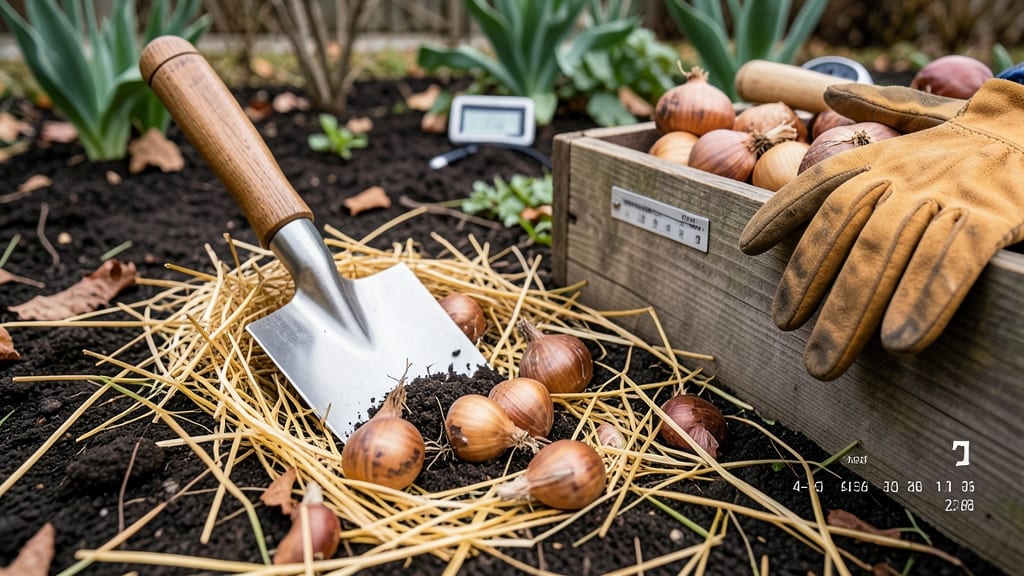
Planting tulip bulbs at the wrong time in Michigan can mean the difference between a stunning spring display 🌷 and a wasted investment.
The ideal window—October through November—gives bulbs time to root before winter sets in, but Michigan’s 5b-6b zones demand precision to avoid frost damage or poor blooms.
Most gardeners assume "fall planting" means a one-size-fits-all approach, but Michigan’s unpredictable climate—especially in zones like 5b—requires a strategy. Plant too early, and bulbs may sprout before frost; too late, and they won’t establish roots.
The key lies in soil temperatures (40-50°F) and frost-free deadlines, which vary by region.
In this guide, I’ll break down the exact planting timeline for your zone, including soil prep tips and how to adjust for early frosts. Whether you’re in Detroit or Traverse City, you’ll learn why mid-October is the magic cutoff—and how to protect your bulbs if winter arrives early.
Skip the guesswork: Discover the 3 critical factors that determine success, from bulb quality to mulching hacks. By the end, you’ll know exactly when to plant for vibrant, long-lasting tulips next spring.
Michigan’s tulip planting deadlines by hardiness Zone (USDA 4a-6b)
Michigan spans USDA Zones 4a-6b, and your last frost date dictates the perfect window for planting tulip bulbs. In Zone 4a (northern Michigan), aim for mid-September to early October—before soil temps drop below 40°F.
Gardeners in Zone 6b (southern Michigan) have more flexibility, with late October to early November as the ideal range.
The key is planting 4-6 weeks before the ground freezes. This gives bulbs time to establish roots but avoids winter heaving when soil expands and contracts. In Michigan, this typically means by mid-October for most regions, but always check your local average first frost date.
For example, in Detroit (Zone 6a), you can plant as late as early November, while in Traverse City (Zone 5b), you’ll want to finish by late October. Soil temperature, not air temperature, is your best guide—wait until it’s consistently 50°F or below.
🌷
| Zone | Ideal Planting Window | Soil Temp Threshold | Risk if Planted Too Late |
|---|---|---|---|
| 4a (e.g., Marquette) | Mid-September to early October | 40-50°F | Frost damage before root growth |
| 5a (e.g., Grand Rapids) | Late September to mid-October | 45-50°F | Winter heaving in heavy clay soils |
| 5b (e.g., Traverse City) | Late September to late October | 45-50°F | Poor root establishment |
| 6a (e.g., Detroit) | Late October to early November | 50°F or below | Missed dormancy period |
| 6b (e.g., Ann Arbor) | Early to mid-November | 50°F or below | Reduced spring blooms |
Planting too early—like in August or early September—can lead to premature sprouting before winter. Tulips need a cool dormancy period to bloom well, so avoid this mistake.
Conversely, planting too late (after November 15th in most zones) means bulbs won’t establish roots before the ground freezes, leading to poor survival rates.
Use a soil thermometer to confirm temps are below 50°F before planting. This is especially critical in Zone 4a, where winters are harsher.
If you’re unsure, err on the earlier side—tulip bulbs can wait a few weeks in a cool, dark place (like a garage) if you’re running late.
Pro tip: In sandy soils (common in northern Michigan), plant bulbs 1-2 weeks earlier since they dry out faster. Clay soils hold moisture longer, so you can plant slightly later. Always amend your soil with compost to improve drainage and bulb health.
🌱
For container planting, follow the same timeline but use a well-draining potting mix. Containers freeze faster than in-ground beds, so plant 2-3 weeks earlier than your zone’s deadline. Place pots in a protected location (like against a south-facing wall) to extend the growing season.
Finally, mark your planting date on a calendar or use a garden journal to track success. Over time, you’ll notice how microclimates in your yard (e.g., sunny vs. shady spots) affect planting windows. Adjust as needed—your tulips will thank you with vibrant spring blooms!
Michigan’s tulip planting deadlines by hardiness Zone (USDA 4a-6b)
Michigan spans USDA Zones 4a through 6b, meaning planting times vary by 10-14 days across the state. In Zone 4a (northern Michigan), aim to plant by mid-October—soil should be 40-50°F and frost-free for 4-6 weeks post-planting. In Zone 6b (southern Michigan), you have until late November.
Use your last average frost date as a guide: plant 4-6 weeks before ground freezes. For example, Detroit’s last frost is April 15, so plant by October 20. Traverse City’s earlier frost (April 5) means planting by September 25.
| Zone | Planting Window | Soil Temp | Risk if Late |
|---|---|---|---|
| 4a (e.g., Marquette) | Sept 15-Oct 15 | 40-45°F | Frost heaving |
| 5a (e.g., Grand Rapids) | Oct 1-Oct 30 | 45-50°F | Poor root growth |
| 6b (e.g., Ann Arbor) | Oct 15-Nov 15 | 50-55°F | Weak blooms |
Early planting (September) gives bulbs time to develop roots but risks rot in soggy soil. Late planting (December) may produce flowers, but they’ll be smaller and fewer due to limited root growth. Test soil moisture: if it’s damp but not waterlogged, it’s ready.
Pro tip: Use a soil thermometer—tulips need 60°F soil for 2 weeks post-planting to establish roots. In colder zones, plant deeper (8 inches) for insulation. In warmer zones, shallow (6 inches) prevents rot.
Missed the window? December planting still works in Zones 5b-6b, but mulch heavily (4-6 inches) to protect bulbs. In Zone 4a, wait until spring (March) for container planting—just know blooms may arrive 2 weeks later.
Remember: Michigan’s microclimates matter. Urban areas (like Detroit) stay warmer than rural spots, giving you 5-7 extra days to plant. Always check your local USDA frost map for precise deadlines.