
Planting
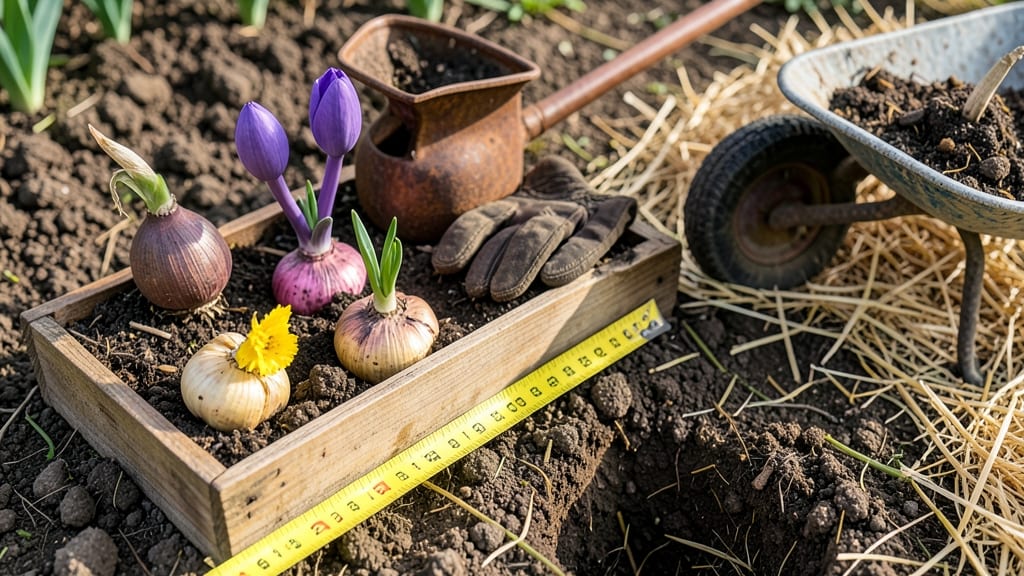
Timing your spring bulb planting just right can mean the difference between a stunning garden and wasted effort. Those 🌷 tulips and daffodils you’ve been dreaming of won’t bloom if planted too early—frost can turn your hard work into a sad, frozen mess.
But get it right, and you’ll enjoy vibrant color from early spring right through summer.
Most gardeners in Zone 6a (like me!) think spring planting starts in March, but that’s where many make their first mistake. The real secret? Waiting until the soil warms to 40-60°F—that’s when roots wake up and bulbs take off without frost risk.
I’ll show you exactly how to check your soil’s readiness so you never guess again.
You’ll also discover the best bulbs to plant by month—like crocuses in March for early color or lilies in May for late-season drama—and how to prep your soil for success. No more second-guessing whether it’s "too early" or "too late." Let’s get those bulbs in the ground the right way.
Ready to transform your garden into a springtime masterpiece? I’ll walk you through every step, from testing soil temperature to spacing bulbs perfectly. Grab your gloves—your future blooms are waiting!
Spring bulb planting timeline: soil temperature rules for zero-frost success
Spring bulb planting isn’t just about the calendar—it’s all about soil temperature. Most spring-planted bulbs, like tulips and daffodils, need soil between 40°F and 60°F to thrive. Planting too early when soil is still cold can stunt growth, while waiting too long risks missed bloom times.
Let’s break down the perfect window by bulb type and USDA zone.
In Zone 5-7, aim for early March to mid-April, but always check soil temps first.
For Zones 8-10, late February to early April works best. Hyacinths and crocuses are hardier and can handle slightly cooler soil, while lilies prefer warmer temps closer to 50°F. The key is balancing frost risk with root establishment.
| Bulb Type | Ideal Soil Temp | USDA Zones | Planting Window |
|---|---|---|---|
| Tulips | 45-55°F | 3-8 | Early March–Mid-April |
| Daffodils | 40-50°F | 4-9 | Late February–Early April |
| Hyacinths | 40-50°F | 5-8 | Early March–Mid-April |
| Crocuses | 35-45°F | All Zones | Late February–Early March |
| Lilies | 50-60°F | 6-10 | Mid-March–Early May |
Pro tip: Use a soil thermometer to check temps before planting. Stick it in the ground where you plan to plant, about 6 inches deep, and wait 30 minutes for an accurate reading.
If temps fluctuate, plant in the morning when soil is slightly warmer. Nighttime frost is the biggest enemy—avoid planting when frost warnings are in the forecast.
For northern climates (Zones 1-4), wait until after the last frost date—usually mid-April or later. In southern zones (9-11), you can start as early as February, but monitor soil moisture.
Dry soil warms up faster, so water lightly the day before planting to stabilize temps. Mulching with straw or shredded leaves can also help regulate soil temperature.
One common mistake is planting bulbs based on air temperature alone. Soil temps lag behind air temps, especially in early spring. For example, a 50°F day might still have 40°F soil at depth.
Always dig down to check. If you’re unsure, opt for crocuses or snowdrops, which tolerate cooler soil and bloom earlier, signaling it’s safe to plant other bulbs.
If you miss the ideal window, don’t panic. Some bulbs, like daffodils, can handle slightly cooler soil and still bloom. Others, like tulips, may need a cooling period afterward to encourage flowering.
Store them in a cool, dark place (like a garage) until soil temps rise. For containers, move pots to a sheltered spot if frost is forecasted.
Remember, the goal is to give bulbs enough time to establish roots before active growth begins. A well-timed planting means stronger stems, bigger blooms, and longer-lasting flowers.
Start with hardy bulbs like crocuses in late winter to test your soil, then follow up with tulips and daffodils once temps stabilize. This staggered approach ensures colorful blooms from early spring
How to test soil temperature before planting bulbs (simple DIY methods)
Planting bulbs in spring requires patience—rushing too early can mean frozen roots and wasted effort. The key to success? Soil temperature. Most spring bulbs thrive when soil reaches 40-60°F, but how do you know when it’s ready?
Testing is easier than you think, and skipping this step often leads to disappointment.
You don’t need fancy equipment to check soil readiness. A simple soil thermometer (available for under $10) is your best friend. Insert it 4-6 inches deep—the depth where most bulbs will sit—and wait 30 seconds for an accurate reading.
If the temperature hovers around 50°F, your garden is likely safe for planting.
⚠️ WARNING: Common Mistake Many gardeners assume "warmer weather" means safe planting. But early spring mornings can still dip below freezing, especially in USDA Zones 3-5. Always test soil temperature afternoon (when it’s warmest) to avoid surprises.
⚠️ WARNING: Planting Too Early Risks Frost Damage
Spring bulbs like tulips and daffodils need stable soil temps to root. Planting before 40°F can cause:
- Rot from excess moisture in cold soil
- Delayed blooms (or none at all)
- Wasted bulbs that fail to establish
Wait until soil is consistently 40-60°F for 5+ days before planting.
No thermometer? No problem. Nature provides clues! Watch for crocus blooms—their appearance signals soil is warming. Alternatively, press your finger into the soil: if it feels cool but not icy, it’s likely safe. For container gardening, use a thermometer in a nearby in-ground spot as a guide.
Once soil is ready, act fast. Bulbs planted in early spring (March-April) often bloom earlier than fall-planted ones, but they need consistent moisture to establish. Water deeply after planting, then once a week until shoots appear. Mulch with 2-3 inches of straw to insulate roots from late frosts.
Pro tip: Test soil in multiple spots—shady areas warm up slower than sunny ones. If your yard has microclimates, prioritize planting in the warmest sections first. With these simple checks, you’ll avoid the heartbreak of frost-killed bulbs and enjoy vibrant blooms all season.