
Plants
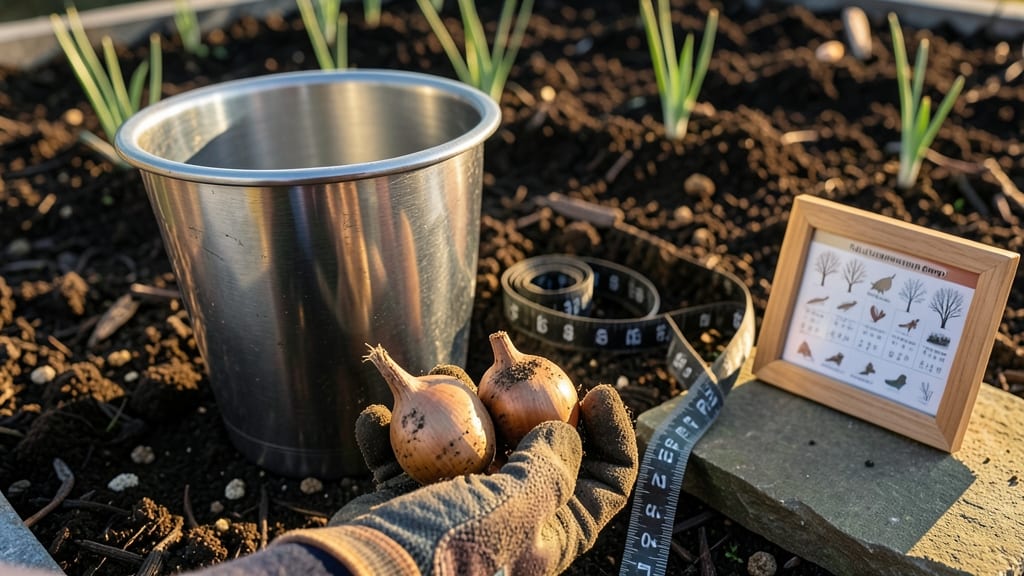
Planting tulip bulbs in North Carolina at the wrong time can mean the difference between a vibrant spring display and wasted effort. The ideal window—October through December—lets bulbs establish roots before winter chill sets in, but timing varies slightly between USDA Zones 7b and 8a.
Most gardeners in Raleigh and Charlotte should aim for early October, while Asheville’s cooler climate may benefit from a slightly later start in late October. The key is planting when soil temperatures dip below 60°F but before the ground freezes—typically 4-6 weeks before your first frost.
This guide breaks down the exact frost-date-based timeline for your zone, plus soil prep tips to ensure your 🌷 tulips thrive. Skip the guesswork and learn how to plant for maximum bloom potential next spring.
Whether you’re a first-time gardener or a seasoned pro, mastering this fall planting window is the secret to tulips that return year after year. Let’s get your bulbs in the ground the right way.
North Carolina tulip planting timeline by hardiness Zone (7b vs 8a)
North Carolina’s USDA Zones 7b and 8a create distinct planting windows for tulip bulbs. In Zone 7b (Raleigh, Durham), the first frost typically arrives by mid-November, while Zone 8a (Charlotte, Asheville) enjoys a later frost date around late November.
This difference means your planting timeline should shift by 2-3 weeks depending on where you garden.
For both zones, the ideal planting window is 4-6 weeks before the ground freezes. This ensures bulbs establish roots before winter dormancy.
In most of NC, that means planting between mid-October and mid-November, but microclimates (like mountain valleys or urban heat islands) can shift this by 1-2 weeks.
The key factor isn’t just frost dates—it’s soil temperature. Tulip bulbs need soil to cool to 60°F (15°C) before planting. In Raleigh, this happens around late October, while Asheville’s cooler climate may reach this threshold by mid-October.
Always check soil temps with a soil thermometer to avoid premature planting.
Here’s how your region-specific timeline breaks down:
| Zone & Region | First Frost Date | Ideal Planting Window | Soil Temp Threshold | Microclimate Adjustment |
|---|---|---|---|---|
| Zone 7b (Raleigh, Durham) | Mid-November | Mid-October – Early November | 60°F (15°C) | Urban areas: plant 1 week later |
| Zone 8a (Charlotte, Piedmont) | Late November | Late October – Mid-November | 60°F (15°C) | Mountain valleys: plant 1 week earlier |
| Zone 7b-8a Transition (Asheville) | Early November | Late September – Early November | 55°F (13°C) | High elevations: plant earlier |
If you’re in Zone 7b, aim to plant by early November to avoid bulb rot from early frosts. In Zone 8a, you have until mid-November, but don’t wait too long—bulbs need time to root before winter.
For Asheville’s cooler microclimate, start as early as late September to account for earlier soil cooling.
Pro tip: Use a frost calendar (like the one from the NC State Extension) to track local frost dates. These are more accurate than general USDA zone guidelines. For example, Raleigh’s frost date can vary by 5-7 days from year to year, so flexibility is key.
After planting, mulch with 2-3 inches of straw or shredded leaves to insulate bulbs. This extra layer helps protect against freeze-thaw cycles, which can heave bulbs out of the ground. In Zone 8a, where winters are milder, you can reduce mulch to 1 inch to prevent overheating.
Remember: Tulips are perennial in NC, but they perform best with annual planting. Even if you see last year’s foliage, dig up and replant bulbs every 3-4 years to prevent viral diseases and improve bloom quality.
This is especially critical in Zone 7b, where colder winters stress bulbs more.
For gardeners in transition zones (like the foothills), consider early-blooming varieties (e.g., ‘Darwin Hybrid’ tulips) that tolerate cooler soils. These types are 30% more frost-hardy than standard varieties, giving you a 2-week buffer in marginal planting conditions.
North Carolina tulip planting timeline by hardiness Zone (7b vs 8a)
North Carolina’s USDA Zones 7b and 8a create distinct tulip planting windows. In Zone 7b (Raleigh, Charlotte), aim for mid-October to early November—soil temps should hover around 60°F but not yet frozen. Meanwhile, Zone 8a (Asheville, Boone) can extend planting until late November due to later frost dates.
Your first frost date is the anchor: plant 4-6 weeks before the average frost, ensuring bulbs root before winter chill. Check local frost maps—Raleigh’s average first frost is November 15, while Asheville’s is November 25. Adjust for microclimates (e.g., urban areas warm up faster).
Soil temperature is critical. Use a soil thermometer—tulips need temps below 60°F to stop top growth and focus on root development. In Zone 7b, this usually happens by mid-October, while Zone 8a may wait until late October.
Planting too early risks rot; too late, and bulbs won’t establish roots before freezing.
| Zone & Location | Ideal Planting Window | Soil Temp Threshold | First Frost Date | Adjustments |
|---|---|---|---|---|
| Zone 7b (Raleigh, Charlotte) | Mid-October to Early November | Below 60°F | November 15 | Urban areas: plant 1 week earlier |
| Zone 8a (Asheville, Boone) | Late October to Late November | Below 60°F | November 25 | Mountain areas: plant 1 week later |
For Zone 7b gardeners, early October is ideal if your soil cools quickly. In Zone 8a, wait until late October to avoid premature sprouting. Pro tip: If your fall is unusually warm (like 2022’s heatwave), delay planting until temps drop naturally.
Use mulch after planting to protect bulbs from temperature swings.
Don’t stress if you miss the window—tulips can handle early winter planting (January) as long as soil isn’t frozen. However, blooms may be smaller. For guaranteed results, stick to the October-November window and pair planting with well-draining soil and full sun for next spring’s showstopper blooms.
Remember: The goal is root establishment before dormancy. With the right timing, your 🌷 tulips will reward you with vibrant colors year after year. Happy planting!