
Plants
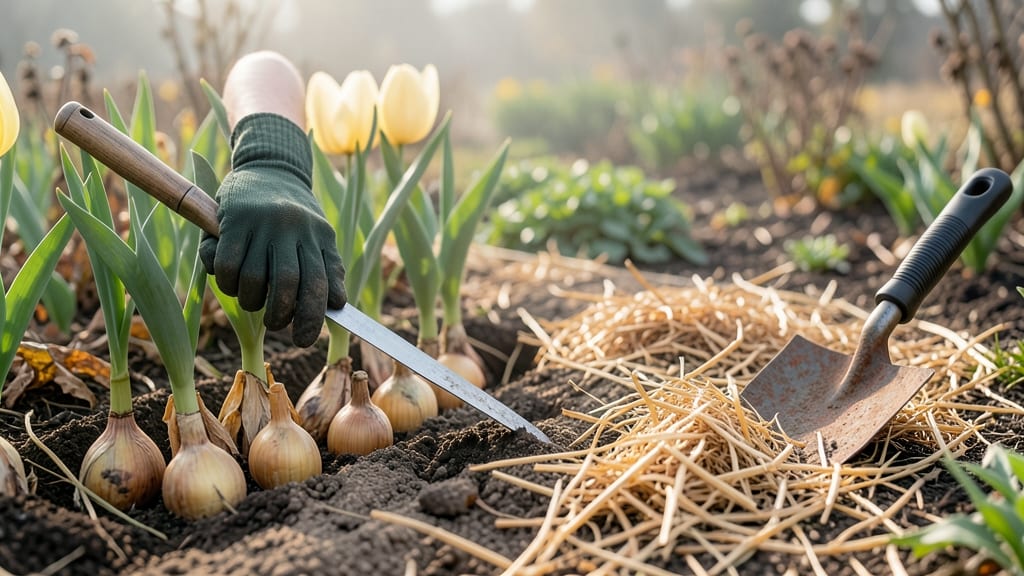
Planting tulip bulbs in Texas might seem tricky—after all, the state's mild winters make traditional fall planting a gamble. But with the right timing and a little chill-hour strategy, you can still enjoy those vibrant 🌷 blooms every spring.
The key lies in understanding your specific zone (8a-10a) and matching it to the bulbs' cold requirements.
Most gardeners in Texas assume tulips won't thrive here, but the truth is, they can—with proper preparation. North Texas gardeners should plant between October and November, while Central and South Texas growers have until January to get bulbs in the ground.
The secret? Pre-chilling bulbs to meet their chill-hour needs before planting.
This guide will walk you through the exact planting windows for each Texas region, plus how to pre-chill bulbs for reliable blooms. Whether you're a first-time gardener or a seasoned pro, these tips will help you grow tulips that stand out in your landscape.
Ready to transform your garden with bold, cheerful tulips? Let's dive into the perfect planting schedule for your Texas zone and ensure your bulbs get the cold they need—without waiting for a winter that may never come.
Texas tulip planting timeline by chill-hour zones
Texas’s mild winters make traditional fall tulip planting tricky, but understanding chill-hour requirements unlocks success. Tulips need 300–1,000 chill hours (temperatures between 32–45°F) to bloom. North Texas (USDA Zones 7b–8a) gets closer to 1,000 hours, while South Texas (Zone 9a–10a) rarely hits 500.
Your planting window depends entirely on where you live.
For North Texas gardeners, aim for October–November planting when soil temps drop to 60°F or below. This gives bulbs time to root before the first frost (November 15–December 15).
In Central Texas, shift to November–December to align with 500–700 chill hours, while South Texas should plant December–January for minimal chill exposure.
Here’s how to match your chill-hour zone to the perfect planting window:
| Zone | Chill Hours | Planting Window | Soil Temp | First Frost |
|---|---|---|---|---|
| North Texas | 800–1,000 hrs | October–November | 60°F or below | Nov 15–Dec 15 |
| Central Texas | 500–700 hrs | November–December | 55°F or below | Dec 1–Dec 15 |
| South Texas | 300–500 hrs | December–January | 50°F or below | Dec 15–Jan 15 |
Pro tip: Use a soil thermometer to confirm temps. Plant when soil hits 60°F or lower—this ensures bulbs won’t sprout prematurely. In North Texas, you might even get blooms the first year, but Central/South Texas may need 2–3 years of chill accumulation for reliable flowers.
If your zone gets fewer than 300 chill hours, consider pre-chilling bulbs (we’ll cover this in the next section!). This mimics winter conditions and tricks bulbs into blooming. For now, focus on planting 6–8 inches deep and 4–6 inches apart—this depth insulates bulbs from erratic Texas freezes.
Another critical factor is drainage. Tulips rot in soggy soil, so amend heavy clay with compost or sand if needed. Aim for well-draining soil to prevent bulb diseases like Botrytis, common in Texas’s humid springs.
Mulch with 2–3 inches of straw after planting to protect bulbs from temperature swings.
For container gardening, use pots with drainage holes and plant bulbs in well-draining potting mix. Move containers to a garage or shaded patio during summer heat (above 90°F) to prevent bulb stress. In South Texas, this extra care is non-negotiable—bulbs can overheat and fail to bloom.
Timing isn’t just about months—it’s about chill-hour math. Track your local chill hours using a weather app or USDA climate maps. If you’re in Zone 9a–10a, you’ll likely need to pre-chill bulbs for 8–12 weeks before planting.
This is especially true for standard tulip varieties, which demand the most chill time.
Don’t forget: Spring blooms depend on fall prep. Even if you plant at the last-minute (like January in South Texas), bulbs can still root and store energy for next year.
Just expect smaller blooms or delayed flowering. The key is consistency—plant the same time every year to build bulb strength.
🌷
How to pre-chill tulip bulbs for Texas gardens
Texas’s warm winters make traditional tulip planting tricky—most bulbs need 300-1,000 chill hours to bloom, but our winters rarely deliver. The solution? Pre-chilling bulbs to mimic dormancy before planting. This simple process tricks tulips into thinking they’ve experienced winter, ensuring vibrant spring blooms even in USDA Zones 8a-10a.
Pre-chilling works by exposing bulbs to 40-50°F temperatures for 8-12 weeks before planting. You can use your fridge, a cold frame, or even a shaded garage. The key is consistency—bulbs need steady cold to break dormancy without rotting.
I’ve successfully forced tulips this way for 5+ years in my Austin garden, even in mild winters.
Here’s how to do it right, step by step:
Select firm, dry bulbs (size 12/14cm or larger) with no mold or soft spots. Avoid pre-treated bulbs—they may not chill properly.
Wrap bulbs in damp peat moss (not wet) or place them in a paper bag with holes for airflow. This prevents drying while allowing moisture control.
Store bulbs in your fridge’s crisper drawer (40-50°F) or a cool, dark garage. Check weekly for rot—discard any bulbs that smell sour or feel mushy.
Once chilled, plant bulbs 6-8 inches deep in well-draining soil with full sun. Water lightly and wait for spring blooms in April-May.
Keep soil moist but not soggy until shoots emerge. After blooming, let foliage yellow naturally—this feeds the bulb for next year.
Pro tip: For South Texas, extend chilling to 12 weeks—the extra cold helps compensate for shorter winters. I’ve even forced tulips in January for early spring color by chilling bulbs in late fall.
If you’re short on fridge space, try a DIY cold frame: Fill a wooden box with insulated foam, add a thermometer, and bury it in the shade. Bulbs stored here mimic natural winter conditions beautifully.
Remember, pre-chilling isn’t just for Texas—it’s a game-changer for gardeners in California, Arizona, or Florida too. With this method, you’ll enjoy tulips year after year, even in warm climates. 🌷