
Plants
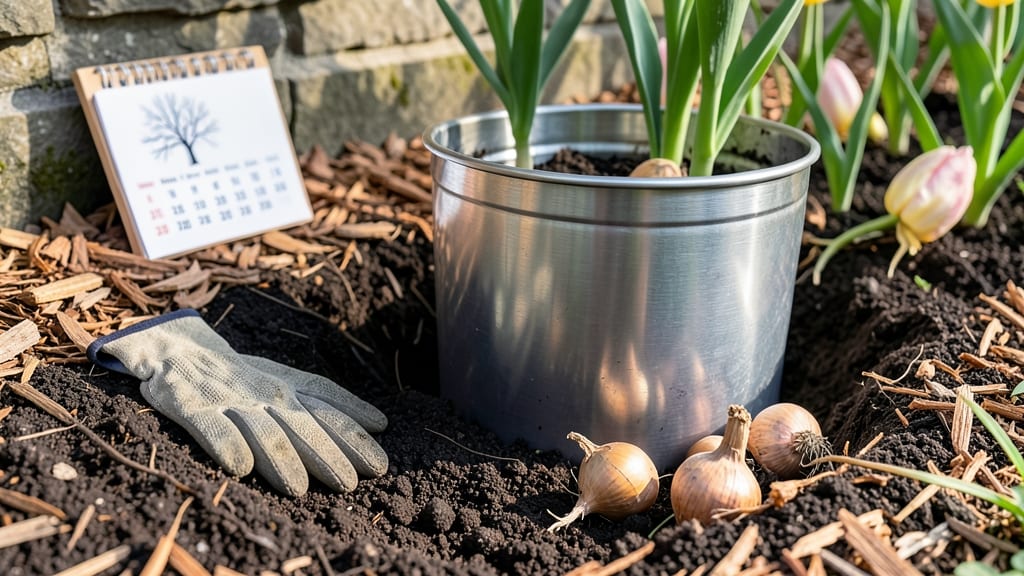
Planting tulip bulbs in California at the wrong time can mean the difference between a vibrant spring showstopper and a sad, wilted disappointment. With our state’s wild range of microclimates—from foggy coastal zones to sunbaked inland valleys—getting the timing right isn’t just about the calendar.
It’s about understanding your specific zone’s quirks.
If you’ve ever wondered why your 🌷 tulips failed to bloom or struggled to thrive, chances are you planted them too early or too late for your local conditions.
Coastal areas like San Francisco (Zone 10) have a longer window than inland spots like Fresno (Zone 9), and missing that narrow sweet spot can leave your bulbs vulnerable to rot or dormancy. Let’s break down the exact timing you need for your region.
What you’ll discover here isn’t just a generic “plant in fall” answer—it’s a tailored approach that accounts for soil temperature, frost risk (or lack thereof), and even how much winter chill your tulips actually need.
Whether you’re a first-time gardener or a seasoned pro, these insights will help you avoid common pitfalls and set your bulbs up for success.
Ready to transform your garden into a springtime spectacle? Let’s dive into the perfect planting windows for California’s diverse zones and microclimates—so you can enjoy those cheerful blooms come April or May.
California tulip planting calendar by USDA Zone (with microclimate adjustments)
California’s USDA Zones 7-10 create a planting puzzle for tulips. Coastal areas like San Francisco (Zone 10) have mild winters, while inland valleys like Sacramento (Zone 9) need earlier planting.
Even desert regions like Palm Springs (Zone 10) face unique challenges. The key? Soil temperature and frost-free deadlines—not just calendar dates.
Most California gardeners aim for fall planting (October–December) to ensure tulips get the 6–8 weeks of winter chill they need. But timing shifts dramatically: Northern CA (Zones 7-9) can plant as late as January, while Southern CA (Zones 9-10) must plant by November to avoid summer heat stress.
Let’s break it down by region.
🌱 COASTAL CALIFORNIA (Zones 9-10)
| Region | USDA Zone | Planting Window | Soil Temp Trigger | Key Notes |
|---|---|---|---|---|
| San Francisco Bay Area | 10 | October 15–November 15 | 50–60°F | Fog delays chill; plant early. |
| Los Angeles Basin | 10 | November 1–December 1 | 55–65°F | Heat spikes risk bulb rot. |
| Santa Barbara | 9b | October 1–November 10 | 45–55°F | Cooler microclimate; extend window. |
Inland valleys like the Central Valley (Zones 8-9) have colder winters and can plant later. For example, Fresno (Zone 9) gardeners can wait until November 15–December 15, while Sacramento (Zone 9) should plant by December 1 to avoid frost.
The rule of thumb? Plant when soil temps drop below 60°F and 4–6 weeks before first frost.
🌡️ INLAND CALIFORNIA (Zones 7-9)
| Region | USDA Zone | Planting Window | Soil Temp Trigger | Key Notes |
|---|---|---|---|---|
| Sacramento Valley | 9 | November 15–December 15 | 50–60°F | Frost risk after Dec 15. |
| Fresno |
California tulip planting calendar by USDA Zone (with microclimate adjustments)California’s USDA Zones 7-10 create a patchwork of planting opportunities, but timing isn’t one-size-fits-all. Coastal areas like San Francisco (Zone 10) can plant tulip bulbs as late as December, while inland valleys like Sacramento (Zone 9) need them in the ground by November 15. Desert regions like Palm Springs (Zone 10b) face unique challenges with heat spikes—so let’s break it down by zone and microclimate. Your soil temperature is the real clock here. Tulip bulbs need 50–60°F soil to root before winter rains or frost set in. Use a soil thermometer to check—if it’s warmer than 60°F, hold off planting. In Zone 9 (inland valleys), aim for October 15–November 15, while Zone 10 (coastal) gardeners have until December 1–January 15. 🌷 Visual Guide: Planting Windows by Zone For coastal gardeners in Zone 10, the window stays open later because frost is rare. But don’t wait too long—bulbs need 6–8 weeks of winter chill to bloom. If you’re in Palm Springs (Zone 10b), consider pre-chilling bulbs in your fridge for 8–10 weeks before planting to mimic natural winter conditions. Pro tip: If your area has unpredictable rains (like Southern California’s “January thaws”), plant bulbs in raised beds or containers to prevent rot. And always amend soil with compost—California’s native clay can bake hard in summer, making it tough for roots to establish. Missed the window? No problem. Tulip bulbs can handle light frosts once planted, but avoid freezing soil (below 32°F). In Zone 9 and colder, mulch with 4–6 inches of straw after planting to insulate bulbs from temperature swings. For Zone 10 gardeners, focus on well-draining soil to prevent soggy conditions during our wet winters. |