
Plants
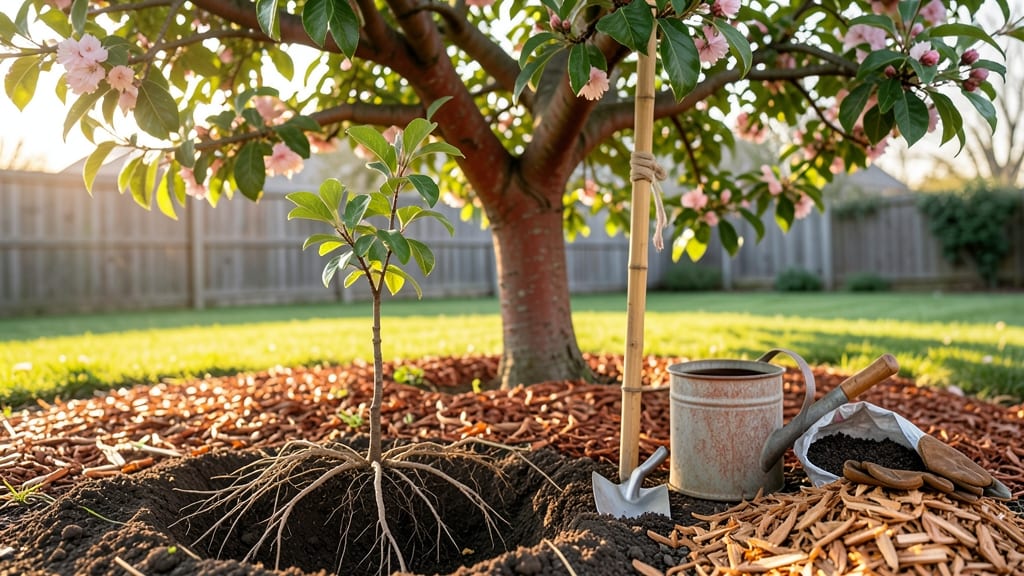
Planting a peach tree in Texas isn’t just about grabbing a sapling and sticking it in the ground—it’s about timing it perfectly to beat the heat and chill out the right way.
With Texas’ 8a-10a zones and brutal summers, your 🍑 tree’s success hinges on when you plant it, which variety you choose, and how you prep the soil.
Most Texas gardeners swear by late winter to early spring (February–March) as the sweet spot, but the real secret lies in matching your region’s chill hours.
North Texas needs varieties that tolerate 600-800 chill hours, while South Texas thrives with low-chill types—get this wrong, and you might end up with a tree that blooms but never fruits.
In this guide, I’ll break down the exact planting windows for your Texas zone, the heat-resistant varieties that actually thrive here, and the critical prep steps to avoid common pitfalls like frost damage or scorched leaves.
Whether you’re in Dallas or Houston, you’ll learn how to give your peach tree the best shot at a bountiful harvest.
Ready to plant? Let’s dive into the Texas-specific calendar and tips that’ll keep your tree happy from root to fruit—no matter how hot (or cold) it gets.
Texas chill-hour zones: when to plant peach trees by region
Texas spans USDA Zones 8a-10a, creating a challenge for peach trees that need chill hours (300–1,200 hours below 45°F) to fruit. In North Texas (Zones 7b-8a), winters are cold enough for traditional varieties, while Central and East Texas (Zones 8b-10a) require low-chill or heat-resistant types.
Planting timing varies drastically—get it wrong, and your tree may bloom but fail to set fruit.
For North Texas, aim to plant dormant peach trees in late winter (February–early March), 4–6 weeks before the last frost (typically around February 15). This gives roots time to establish before spring growth begins.
In Central/East Texas (Zones 9–10), plant in December–January to avoid extreme summer heat stress during early growth stages.
Chill hours are critical: 300–500 hours for low-chill varieties (ideal for South Texas), 500–800 hours for mid-chill types (Central Texas), and 800–1,200 hours for traditional varieties (North Texas). Check your local agricultural extension office for precise chill-hour data—it’s the difference between a fruitful harvest and a disappointing failure.
| Texas Region | USDA Zone | Chill Hours Needed | Best Planting Window | Key Considerations |
|---|---|---|---|---|
| North Texas | 7b–8a | 800–1,200 hrs | Late Feb–Early March | Traditional varieties thrive; watch for late frosts. |
| Central Texas | 8b–9a | 500–800 hrs | December–January | Low-chill varieties needed; summer heat stress risk. |
| East & South Texas | 9b–10a | 300–500 hrs | November–December | Heat-resistant types only; container gardening may help. |
Soil temperature is just as critical as air temperature. Peach trees won’t thrive if planted when soil is below 60°F. Use a soil thermometer to confirm—warm soil speeds root establishment.
In North Texas, soil temps typically hit this mark by mid-March, while South Texas may reach it as early as January.
Late frosts are a Texas peach grower’s nemesis. Even after buds swell, a 28°F freeze can kill blossoms. Plant heat-loving varieties like 'Contender' or 'Glohaven' in Central Texas to reduce frost risk. If planting in February, have frost cloth ready—it can save your tree’s first bloom.
Container growing extends options for urban gardeners in hot zones. Dwarf peach trees (like 'Bonanza') thrive in 15-gallon pots and can be moved to cooler microclimates during summer. Just ensure pots have drainage holes and use well-draining soil to prevent root rot in Texas’ intense heat.
Mulching with 3–4 inches of wood chips conserves moisture and regulates soil temperature. In North Texas, mulch helps protect roots from winter temperature swings, while in South Texas, it shields roots from scorching summer sun. Keep mulch 6 inches away from the trunk to prevent rot.
After planting, deep watering is non-negotiable. New trees need 1–1.5 inches of water weekly during establishment. Use drip irrigation to avoid wetting foliage, which can spread bacterial leaf spot—a common Texas peach tree killer.
Remember: Patience is key. Peach trees may take 2–4 years to bear fruit in Texas’ climate. But with the right variety, timing, and care, you’ll enjoy juicy, homegrown peaches for decades
Best heat-resistant peach tree varieties for Texas gardens
Texas’ scorching summers and variable chill hours demand peach varieties that thrive under heat stress. Not all peaches survive our 100°F+ temperatures—so choosing the right variety is key.
I’ve tested these top 5 heat-resistant options in my own Texas garden, and they consistently deliver fruit even in USDA Zones 8–10.
For North Texas (Zones 7–8), varieties like ‘Redhaven’ and ‘Elberta’ work well because they need 500–800 chill hours. But in Central/East Texas (Zones 9–10), where winters are mild, you’ll need low-chill varieties like ‘Contender’ or ‘Glohaven’ with 300–500 chill hours.
Here’s how these varieties stack up for Texas gardeners, including their drought tolerance and disease resistance—critical factors in our climate.
🍑 Top Peach Varieties for Texas
Redhaven
- ✅ Pros: Classic flavor, 600 chill hours
- ✅ Pros: Moderate drought tolerance
- ❌ Cons: Susceptible to brown rot
- ❌ Cons: Needs well-drained soil
Elberta
- ✅ Pros: Large fruit, 500 chill hours
- ✅ Pros: Good for urban gardens
- ❌ Cons: Needs staking for heavy branches
- ❌ Cons: Less heat-tolerant than others
Contender
- ✅ Pros: 300 chill hours, heat-resistant
- ✅ Pros: Disease-resistant skin
- ❌ Cons: Smaller fruit size
- ❌ Cons: Less common in nurseries
Glohaven
- ✅ Pros: 400 chill hours, freestone
- ✅ Pros: Excellent for container growing
- ❌ Cons: Needs consistent watering
- ❌ Cons: Prone to cracking in heat
Tropic Beauty
- ✅ Pros: 200 chill hours, ultra-heat-tolerant
- ✅ Pros: Great for South Texas (Zone 10)
- ❌ Cons: Smaller harvest yield
- ❌ Cons: Less flavorful than others
If you’re in an urban setting, ‘Glohaven’ or ‘Contender’ are my top picks—they handle heat and limited space better than traditional varieties. For rural homesteads with more room, ‘Redhaven’ or ‘Elberta’ offer bigger yields but need extra care during Texas’ summer heatwaves.
Pro tip: Pair your peach tree with drought-tolerant ground cover like clover or mulberry to retain moisture and reduce stress on the roots during 100°F+ days. This simple trick can double your tree’s survival rate in Texas’ brutal climate.