
Trees
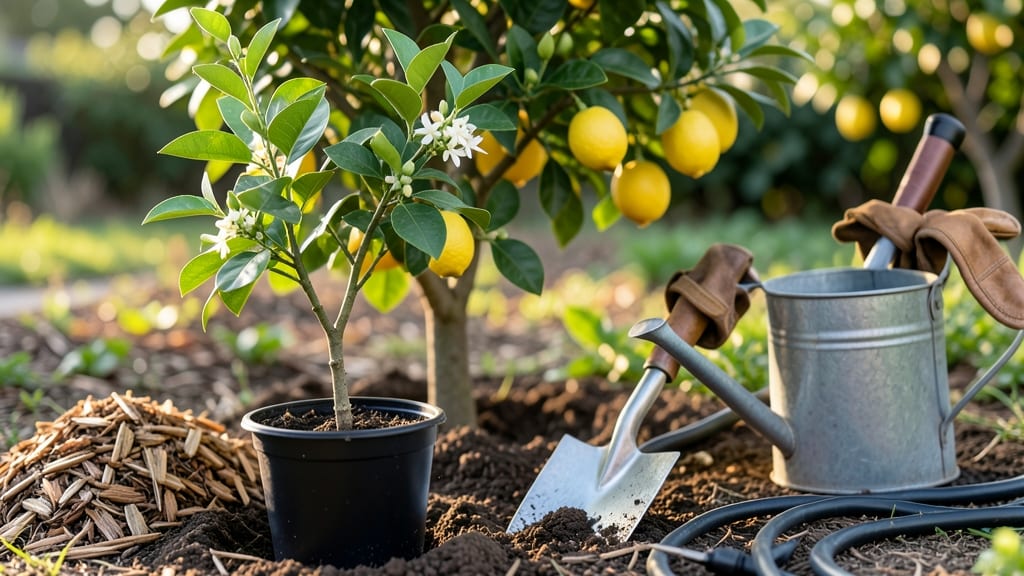
If you’ve ever wondered when is the best time to plant a citrus tree in Arizona, the answer might be simpler than you think—it’s all about timing.
Planting a citrus tree in the wrong season can mean the difference between a lush, fruit-bearing tree and one that wilts under the desert sun or freezes in unexpected cold snaps.
The best time to plant citrus trees in Arizona isn’t just a one-size-fits-all answer—it depends on your specific heat zone, soil prep, and even microclimates like those near mountains or urban areas.
While most of Arizona enjoys frost-free winters, high-desert regions can still see chilly nights that stress young roots, making late winter to early spring the sweet spot for success.
In this guide, I’ll break down exactly when to plant—whether you’re in Phoenix’s scorching low desert or Flagstaff’s cooler highlands—and how to give your citrus tree the best shot at thriving year-round.
You’ll learn the critical months to avoid, soil tricks to beat Arizona’s alkaline dirt, and post-planting care that keeps your tree happy even when temps soar.
Ready to turn your citrus dreams into reality? Let’s dig into the perfect planting window for Arizona’s unique climate—so you can enjoy homegrown oranges, lemons, and grapefruits for years to come.
Optimal Arizona planting windows for citrus trees by heat Zone
Arizona’s diverse heat zones (USDA 9b-12) create unique challenges for citrus planting. Unlike coastal regions, Arizona’s low desert (Phoenix, Tucson) and high desert (Flagstaff, Prescott) have starkly different frost risks and soil temperatures.
The best planting window balances root establishment with heat avoidance—typically November through February for most zones, but with critical exceptions.
In low desert zones (9b-10a), where frost is rare, February and March are ideal. Soil temperatures hover around 60-65°F, perfect for root growth without summer heat stress.
Meanwhile, high desert zones (10b-12) can experience light frost as late as March, pushing the optimal window to late February or early April. Always check your local Arizona AgriWeather forecasts for real-time updates.
Young citrus trees are extremely sensitive to heat stress and frost damage. Planting in summer (June-August) risks leaf scorch and root burn, while planting in deep winter (December-January) exposes roots to cold soil temperatures, stunting growth.
The sweet spot is when daytime highs are 70-75°F and nighttime lows stay above 45°F.
| Heat Zone | Best Planting Months | Soil Temp (°F) | Frost Risk | Key Varieties |
|---|---|---|---|---|
| USDA 9b (Low Desert) | February–March | 60–65°F | Minimal (rare below 32°F) | ‘Carrizo’ Citrange, ‘Sour Orange’ |
| USDA 10a (Mid-Desert) | Late February–April | 55–60°F | Light frost possible | ‘Improved Meyer Lemon’, ‘Trifoliate Orange’ |
| USDA 10b–12 (High Desert) | April–May | 50–55°F | Moderate frost risk | ‘Ponderosa Lemon’, ‘Yuzu’ |
Soil temperature is just as critical as air temperature. Use a soil thermometer to confirm root zone warmth—citrus roots thrive in 60°F+ soil. In low desert, soil warms quickly by mid-February, while high desert may need to wait until late March or April. If planting in containers, use black plastic pots to absorb and retain heat faster.
Microclimates within Arizona can shift planting windows by weeks. For example, Tucson’s Santa Catalina Mountains have colder microclimates than downtown Tucson, delaying planting by 2-3 weeks. Always scout your yard for frost pockets (low-lying areas) or heat sinks (paved surfaces that radiate heat). South-facing walls or gravel beds create ideal microclimates for citrus.
Container planting offers flexibility but requires earlier adjustments. Potted citrus can be planted 1-2 weeks earlier than in-ground trees because containers warm up faster. However, avoid planting containers in full sun before March—the plastic or clay can overheat roots. Use shade cloth (30%) until soil temperatures stabilize.
Frost dates are less of a concern in low desert but critical in high desert. The National Weather Service’s Phoenix office reports last frost dates as early as January 15 in Yuma, while Flagstaff can see frost until April 1. Always plant after your local last frost date—even if it’s mild, citrus trees won’t tolerate temperatures below 28°F.
Root establishment takes 6-8 weeks, so aim to plant at least 2 months before summer’s peak heat (typically by May 1). If you miss the optimal window, don’t panic—June planting is possible with extra shade cloth and daily watering. However, growth will be slower, and trees may struggle until fall.
Pro tip: If you’re in USDA Zone 10a or below, consider bare-root citrus trees—they establish faster than container-grown trees and are hardier in Arizona’s alkaline soil. Just soak roots in water for 2 hours before planting to rehydrate them.
Optimal Arizona planting windows for citrus trees by heat Zone
Arizona’s diverse heat zones (USDA 9b-12) create unique planting windows for citrus trees. In low desert areas like Phoenix (Zone 10-11), citrus thrives year-round, but late winter to early spring (February-March) remains ideal.
Cooler high-desert regions (Zone 9b) should plant in November to January to avoid unexpected frost. The key is soil temperature—roots need 60°F+ to establish before summer’s heat arrives.
Citrus trees planted in summer months (June-August) face heat shock, while winter planting risks root damage from cold snaps. My top recommendation? Aim for March in low desert or February in high desert—this balances mild temps and soil moisture for strong root growth.
🌱 Arizona Citrus Planting Timeline by Heat Zone
| Heat Zone | Best Planting Months | Soil Temp Requirement | Frost Risk |
|---|---|---|---|
| Low Desert (Phoenix, Tucson) | February - March | 60°F+ | Minimal (rare) |
| Mid Desert (Prescott, Sedona) | January - February | 55°F+ | Occasional (Dec-Feb) |
| High Desert (Flagstaff, Show Low) | November - January | 50°F+ | Moderate (Nov-Mar) |
For container-grown citrus, you have more flexibility—plant anytime soil temps stay above 50°F. However, outdoor planting in Arizona’s 110°F+ summers requires shade acclimation for 2-3 weeks post-planting. I’ve seen citrus trees planted in May thrive with 50% shade cloth during their first summer.
Pro tip: Use a soil thermometer to check depth (6 inches down). If temps dip below 55°F, delay planting until conditions improve. In Zone 11 (Yuma, Tucson), I’ve planted citrus in April with drip irrigation and mulch—key to beating the heat.
Remember, dwarf varieties like ‘Improved Meyer Lemon’ establish faster than standard trees, making them ideal for Arizona’s short growing season in cooler zones. Always harden off nursery-grown trees for 7-10 days before planting to reduce transplant shock.
Timing your citrus planting right means healthier roots, faster fruit production, and trees that survive Arizona’s extremes. With the right window, you’ll be harvesting homegrown citrus in as little as 2-3 years—worth the wait!