
Trees
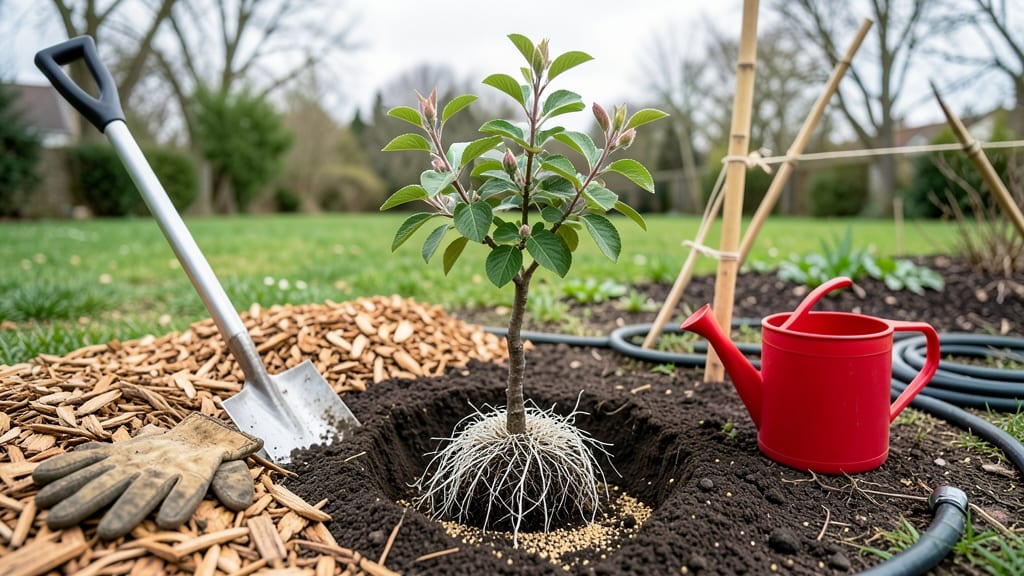
Timing your fruit tree planting in BC wrong could mean the difference between a thriving orchard and years of waiting for fruit that never quite ripens right.
With coastal regions like Vancouver enjoying mild winters and inland areas like the Okanagan facing harsh frosts, getting the window perfect is absolutely critical for your 🌱 trees to establish strong roots before summer heat arrives.
Most gardeners assume spring planting is one-size-fits-all, but BC's dramatic climate shifts demand a more strategic approach. Whether you're planting bare-root saplings or container-grown trees, understanding your specific zone's chill-hour requirements and frost patterns is the key to avoiding common mistakes that derail even the most enthusiastic growers.
What you'll discover here is how to match your fruit varieties with BC's unique microclimates—coastal areas can plant earlier than inland zones, and certain low-chill varieties actually thrive when planted later in the season.
I'll walk you through the exact planting windows that work for apples, cherries, and peaches in each region, plus soil prep tips that make all the difference.
By the end, you'll know exactly when to dig in your shovel, how to protect young trees from late frosts, and which varieties give you the most flexibility when BC's weather throws you curveballs. Let's get those fruit trees growing strong and productive from day one.
BC fruit tree planting calendar by chill-hours and microclimate zones
British Columbia’s diverse climate—from Vancouver’s mild coastal zone to the Okanagan’s cold winters—means planting fruit trees at the wrong time can spell disaster. Most fruit trees need a specific number of chill-hours (0°C or below) to fruit properly, and BC’s zones range from 400 chill-hours (coastal) to 1,200+ chill-hours (inland).
Matching your tree to your zone ensures success.
For example, ‘Liberty’ apple trees thrive in coastal areas with just 300 chill-hours, while ‘Starking Delicious’ apples need 800+ chill-hours, making them ideal for Kelowna or Penticton. Timing isn’t just about chill—it’s also about avoiding late spring frosts, which can kill blossoms before they set fruit.
Here’s how to align your planting with BC’s microclimates and chill-hour needs:
| Zone & Location | Chill-Hours | Best Planting Window | Frost Risk Period | Top Fruit Trees |
|---|---|---|---|---|
| Coastal (Vancouver, Victoria) | 400–600 | Late October–early November (bare-root) or March–April (container-grown) | Late April–May | ‘Liberty’ apple, ‘Starkrimson’ pear, ‘Satsuma’ mandarin |
| Interior (Kelowna, Okanagan) | 800–1,200+ | Early November–December (bare-root) or March–April | Early May–June | ‘Starking Delicious’ apple, ‘Lapins’ cherry, ‘Bartlett’ pear |
| Vancouver Island (Mid-Island) | 600–800 | Late October–November (bare-root) or March–April | Late April–early June | ‘Freedom’ apple, ‘Rainier’ cherry, ‘Seckel’ pear |
Bare-root trees are best planted in dormant season (fall or early spring) when roots aren’t actively growing. Container-grown trees, however, can be planted throughout the growing season, but avoid extreme heat or frost periods. Coastal gardeners should prioritize low-chill varieties to prevent winter damage.
Inland areas like the Okanagan Valley experience colder winters and hotter summers, so planting in early November gives roots time to establish before soil freezes. Always check last frost dates for your specific area—Vancouver’s last frost is typically mid-April, while Kelowna’s can linger until late May.
If you’re unsure about chill-hours, opt for hybrid varieties like ‘Crimson Crisp’ apples, which adapt to 500–900 chill-hours. These versatile trees reduce the risk of poor fruiting due to mismatched climate needs.
Pair your choice with proper soil prep—amend heavy clay soils with compost to improve drainage, especially in wetter coastal zones.
For container-grown trees, plant as soon as soil is workable in spring (usually March–April for coastal areas). Remove containers immediately to prevent root circling, and water deeply to settle soil around roots. Mulch with wood chips to retain moisture and regulate soil temperature.
Remember: Early planting in fall gives roots a head start, while late spring planting risks stress from summer heat. Use a soil thermometer to confirm soil temps are above 10°C (50°F) before planting—this ensures roots can absorb moisture without shock.
Finally, prune lightly at planting to remove damaged roots, and avoid heavy pruning until the following spring. This reduces stress and encourages strong root establishment during the critical first year. With the right timing, your fruit tree will reward you with years of harvests—no matter where you garden in BC!
How to adjust planting dates for BC’s unpredictable weather patterns
BC’s weather can throw even the most experienced gardeners for a loop—one day it’s 60°F and sunny, the next it’s a 32°F frost warning. For fruit trees, timing isn’t just about the calendar; it’s about reading your local microclimate and preparing for surprises.
Whether you’re in Vancouver’s coastal fog belt or the Okanagan’s desert-like heat, flexibility is key to avoiding late frost damage or heat stress.
I’ve learned the hard way that planting a peach tree in early spring on Vancouver Island can mean watching it bloom too early and get fried by a May frost.
Meanwhile, inland gardeners in Kelowna might need to delay planting until late April to avoid soil still being frozen. The solution? Adjust your planting dates based on soil temperature, frost forecasts, and even container gardening hacks for coastal areas where cold air pools.
Here’s my 3-step risk assessment to help you fine-tune your planting schedule: 1. Check soil warmth—use a soil thermometer (ideal: 50°F+ for most fruit trees).
- Monitor frost alerts—sign up for Environment Canada’s Agri-Weather notifications.
- Plan a backup—have container-grown trees ready to move if early planting fails.
For bare-root trees, timing is even trickier. Inland BC gardeners should plant as soon as soil is workable (usually March-April), while coastal gardeners may need to wait until April-May.
Pro tip: Soak bare roots for 1-2 hours before planting to reduce transplant shock—this is non-negotiable in BC’s dry springs.
If you’re planting container-grown trees, you’ve got more wiggle room. These can go in the ground anytime the soil isn’t frozen, but I recommend early spring to give roots time to establish before summer heat.
Just water deeply after planting and mulch heavily to retain moisture—BC summers can be drought-like even in rainy areas.
Remember, frost dates vary yearly. I once planted a plum tree in early April on Vancouver Island, only for it to bloom and get hit by a late-May frost.
Since then, I’ve made it a rule to plant stone fruits (peaches, plums, cherries) no earlier than mid-April in coastal zones. For apples and pears, which handle cold better, early spring is fine—but always choose varieties with chill-hours matching your zone.
Finally, keep an eye on heatwaves. Inland areas like the Okanagan can see 90°F+ temperatures by June, which stresses young trees. If you’re planting late, provide afternoon shade with shade cloth or plant near a north-facing wall to protect delicate peach blossoms from scorching.