
Trees
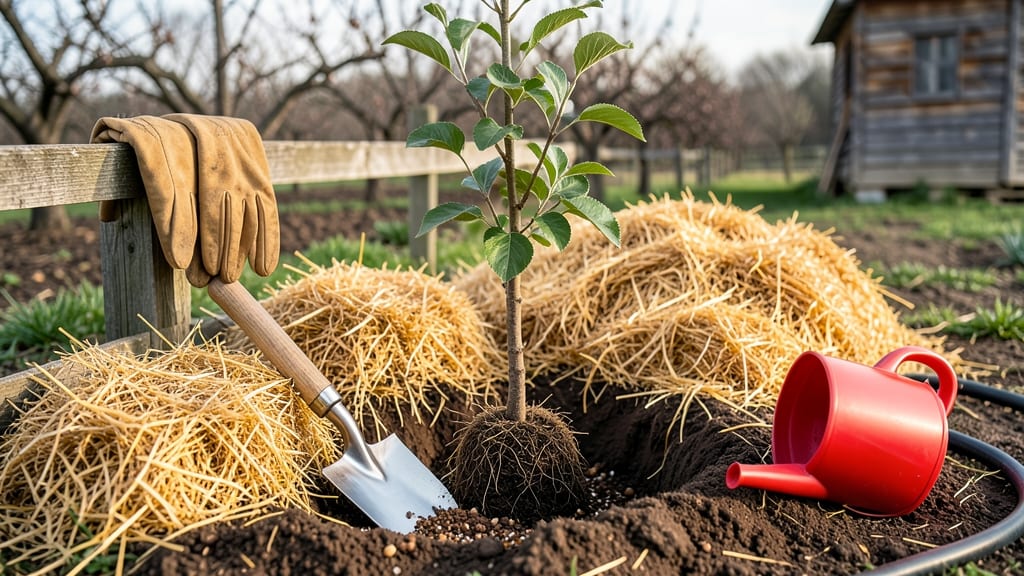
Timing your fruit tree 🍎 planting in Zone 6 could make or break your harvest years from now—because a single misstep in the calendar means weaker roots and slower growth. Whether you're dreaming of crisp apples or juicy peaches, getting this right is the foundation of a thriving orchard.
Most gardeners in Zone 6 know the basics: early spring or fall are the go-to seasons. But here's the catch—planting too early means exposing young roots to frost, while waiting too late risks stunted development before winter sets in.
I'll break down exactly when to dig that hole for maximum success.
What you'll discover is how to read your local frost dates like a pro, prepare your soil months in advance, and choose between bare-root saplings or container-grown trees based on your planting window. Let's get those roots established the right way from day one.
The key difference between spring and fall planting goes beyond just months—it's about soil temperature, moisture levels, and how your fruit tree's dormant period plays into the equation. Stick with me, and you'll know exactly when to plant for trees that grow strong enough to bear fruit for decades.
Optimal planting windows for fruit trees in Zone 6: spring vs fall breakdown
In Zone 6, timing your fruit tree planting is critical—plant too early, and roots may heave from freezing/thawing cycles; too late, and trees struggle to establish before winter.
The two best windows are early spring (after last frost) and fall (4-6 weeks before first frost). Each offers unique advantages depending on your tree species and local microclimate.
Spring planting (March–May) aligns with soil warming and bud break, giving trees the full growing season to establish roots. Fall planting (September–October), however, leverages dormancy—trees focus on root growth without competing with foliage.
Both methods work, but your choice depends on soil conditions, frost dates, and whether you’re using bare-root or container-grown trees.
For bare-root trees, fall planting is ideal because moist soil and cooler air reduce transplant shock.
Container-grown trees, however, handle spring planting better since their roots aren’t exposed to drying winds. Zone 6’s last frost typically occurs between mid-April and early May, while first frost arrives mid-October to early November—plan accordingly.
Spring vs Fall Planting for Fruit Trees in Zone 6
| Factor | Spring Planting (March–May) | Fall Planting (September–October) |
|---|---|---|
| Best For | Container-grown trees, warm-season species (peaches, nectarines) | Bare-root trees, cool-season species (apples, pears) |
| Soil Temperature | 45–60°F (roots establish as soil warms) | 50–60°F (cooler temps reduce stress) |
| Water Needs | High (frequent deep watering) | Moderate (moist but not soggy) |
| Root Establishment | 6–8 weeks before winter dormancy | 8–10 weeks before first frost |
| Pros | Full growing season for growth, easier to monitor | Less transplant shock, better root spread before winter |
| Cons | Risk of late frosts damaging new shoots | Limited time to recover if early frost occurs |
| Best Varieties | Peaches, plums, apricots (warm-season) | Apples, pears, cherries (cool-season) |
🌱 Tip: Check your local USDA frost map—some Zone 6 regions (like the Midwest) have earlier frosts than the Mid-Atlantic.
If you’re in the Midwest, aim for late April to early May for spring planting, while Mid-Atlantic gardeners can push to mid-May.
For fall, September 15–October 15 is ideal—this gives roots time to establish before winter dormancy. Peach trees, for example, thrive with spring planting, while apple trees often do better in fall.
Another key factor is soil moisture. Spring soils can dry out quickly after rains stop, so mulch heavily to retain moisture. Fall-planted trees benefit from natural rainfall and cooler temps, reducing the need for supplemental watering. Test your soil’s moisture before planting—it should feel damp but not soggy.
For container-grown trees, spring planting is more flexible since roots aren’t exposed.
However, if you must plant in fall, choose a mild-microclimate (e.g., near a south-facing wall) to protect roots from extreme cold. Bare-root trees, on the other hand, are best planted in fall—their exposed roots benefit from moist, cool soil before winter.
Regional microclimates also play a role. In Zone 6a (colder subzone), lean toward fall planting to avoid early spring frosts. Zone 6b (warmer subzone) offers more flexibility for spring planting. Use a local weather app to track 10-year frost averages—this data is gold for fine-tuning your schedule.
One common mistake is planting too early in spring, when soil temperatures are still below 45°F. Cold soil slows root growth, leaving trees vulnerable to heaving (roots lifting from freeze-thaw cycles). Use a soil thermometer to confirm temps are ideal before planting—aim for 50–60°F for best results.
Finally, consider your tree’s maturity stage. Dwarf varieties establish faster than standard trees, so they can handle slightly later planting. Semi-dwarf trees (like Honeycrisp apples) strike a balance—plant them in early spring or late fall for optimal success. Always check the nursery’s planting guidelines for your specific variety.
Whether you choose spring or fall, the key is root establishment
5 Critical factors that determine the best planting time for your fruit tree
Timing your fruit tree planting isn't just about the calendar—it's about understanding your local microclimate, soil conditions, and the specific needs of your tree variety. In Zone 6, where frost dates can vary by 2-3 weeks between regions, these factors become even more critical.
Let me break down what truly matters when choosing your planting window.
First, soil temperature is non-negotiable. Fruit tree roots need soil that's at least 45°F (7°C) to establish properly. In Zone 6, this typically means waiting until mid-April for spring planting or ensuring fall planting happens when soil temps drop below 60°F (15°C)—usually by late September.
Cold soil can shock roots and stunt growth.
Next, consider your last frost date. While many gardeners focus on the average last frost (mid-April in Zone 6), I recommend waiting 2-3 weeks after to be safe. Young trees are vulnerable to late spring frosts, which can damage emerging buds and set back growth by months.
Check your local frost maps—they’re free and save headaches!
Don’t overlook moisture availability. Fruit trees need consistent moisture during their first 2 growing seasons. Planting in early spring gives roots time to establish before summer droughts hit, while fall planting benefits from autumn rains in many Zone 6 regions.
If your area experiences dry spells, spring planting is often the safer bet.
- 🌡️ Soil Temperature: Roots need soil ≥45°F (7°C) for spring planting; ≤60°F (15°C) for fall.
- ❄️ Frost Dates: Wait 2-3 weeks after last frost; avoid planting when buds are swelling.
- 💧 Moisture Levels: Prioritize consistent water access during root establishment (first 2 years).
- 🌳 Tree Maturity: Bare-root trees plant best in dormancy (fall/spring); container-grown trees are more flexible.
- 📊 Local Weather Patterns: Use 5-year averages for frost/freeze data—don’t rely on single-year trends.
The maturity stage of your tree matters too. Bare-root trees should always be planted during dormancy (fall or early spring), while container-grown trees offer more flexibility—you can plant them year-round except in winter.
If you’re working with a dwarf variety, timing is slightly less critical, but their smaller root systems still need proper establishment.
Finally, local weather patterns trump general Zone 6 guidelines. For example, if you’re in the Midwest, you might plant 2 weeks earlier than someone in the Mid-Atlantic due to warmer spring soils.
Use tools like the USDA Plant Hardiness Zone Map and your local cooperative extension service for hyper-local advice. These resources provide decade-long averages that account for microclimates.
Pro tip: If you’re unsure, spring planting is the foolproof choice for beginners. It gives roots time to establish before summer heat stress, and you’ll see visible growth by midsummer—proof your timing was right! 🌱