
Flowers
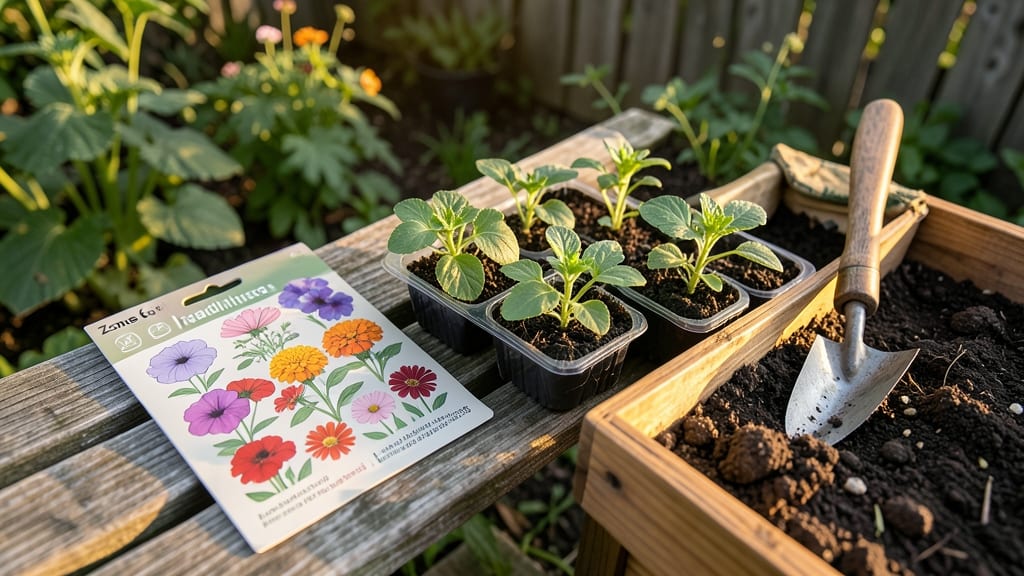
Timing your flower seed planting in Zone 6 can mean the difference between a garden bursting with color and a season of disappointment. With 6a-6b winters that linger into April and first frosts arriving as early as mid-October, getting the schedule right is everything.
The key lies in understanding your local frost dates and matching them to each flower's unique needs.
I've learned the hard way that planting too early can leave delicate seedlings vulnerable to cold snaps, while waiting too long might mean missing out on summer blooms. Whether you're growing annuals for quick color or perennials that return year after year, each type has its own ideal window.
Let me show you exactly when to start seeds indoors and when to plant directly in the ground for maximum success.
This isn't just about memorizing dates - it's about reading your soil and climate. We'll cover how to adjust for cool-season favorites like pansies and warm-season stars like zinnias, plus when to start seeds indoors for a head start.
With these strategies, you'll transform your garden from a seasonal gamble into a predictable paradise of 🌸 blooms that keep coming all season long.
The best part? These methods work whether you're a first-time gardener or a seasoned pro looking to refine your timing. By the end, you'll know exactly when to plant each type of flower for vibrant blooms from spring through fall.
Let's get started with your personalized planting calendar that actually works for Zone 6 gardens.
Zone 6 flower seed planting calendar by month: best times for annuals and perennials
Understanding Zone 6 planting times is key to growing a thriving flower garden. With average last frost dates around April 15 and first frost near October 15, you’ve got a 165-day growing season to work with.
But not all flowers thrive in the same conditions—some love cool spring soil, while others wait for summer’s warmth.
For cool-season flowers like pansies, snapdragons, and sweet peas, start seeds indoors in February or sow directly in March as soon as soil reaches 40°F. These hardy blooms tolerate light frosts and even germinate in chilly conditions, making them perfect for early spring color.
Now, let’s break down your month-by-month planting schedule for both annuals and perennials. Use this as your go-to guide to avoid common timing mistakes and ensure your garden blooms all season long.
| Month | Best Flowers to Plant | Soil Temp | Notes |
|---|---|---|---|
| February | Pansies, Snapdragons, Sweet Peas | 40-50°F | Start indoors for early blooms |
| March | Calendula, Lettuce (edible flowers), Stock | 45-55°F | Direct sow after last frost risk passes |
| April | Marigolds, Zinnias, Petunias, Basil (edible) | 55-65°F | Wait until soil warms; mulch to retain heat |
| May | Sunflowers, Cosmos, Nasturtiums, Lavender | 60-70°F | Peak planting month; succession plant for continuous blooms |
| June | Sweet Alyssum, Verbena, Portulaca | 65-75°F | Heat-lovers; water deeply in containers |
| September | Cosmos, Bachelor’s Buttons, Calendula | 50-60°F | Fall bloomers; sow 6-8 weeks before first frost |
| October | Sweet Peas, Pansies, Stock | 45-55°F | Last chance for cool-season flowers |
For perennials like coneflowers, black-eyed Susans, and lavender, the best time to plant seeds is in late spring (May) or early summer (June). These hardy plants establish strong roots before winter
How to adjust planting times for slow-germinating vs. fast-germinating flower seeds
Not all flower seeds germinate at the same speed, and understanding these differences is key to successful Zone 6 planting. Fast-germinating seeds like marigolds or zinnias sprout within 5-10 days, while slow germinators such as cosmos or snapdragons may take 2-4 weeks.
Adjusting your timing ensures you don’t miss the optimal window for growth.
For slow-germinating seeds, start indoors 6-8 weeks before your last frost date (typically mid-April in Zone 6). This gives them a head start in warm soil conditions without risking frost damage. Use a heat mat if your indoor temps dip below 65°F—consistent warmth speeds up germination.
Fast-germinating seeds, on the other hand, can often be direct-sown after frost (late April to early May). These varieties thrive with quick soil warming, so don’t rush—wait until soil temps reach at least 60°F to avoid damping off. A soil thermometer is your best friend here!
- Examples: Cosmos, Snapdragons, Larkspur
- Start Indoors: 6-8 weeks before last frost
- Soil Temp: 65-75°F (use heat mat if needed)
- Outdoor Transplant: After soil warms to 60°F
- Examples: Marigolds, Zinnias, Sunflowers
- Start Outdoors: After last frost (soil 60°F+)
- Germination Time: 5-10 days
- Succession Plant: Every 2-3 weeks for continuous blooms
- Examples: Petunias, Geraniums, Salvia
- Soil Temp Requirement: 70°F+
- Planting Window: Late May to June
- Tip: Use black plastic mulch to warm soil faster
Succession planting is another game-changer for Zone 6 gardens. By staggering plantings every 2-3 weeks for fast germinators like zinnias or marigolds, you’ll enjoy non-stop blooms from early summer through fall.
For slow germinators, extend your season by making late summer sowings (August) for flowers like cosmos—they’ll bloom into autumn before frost.
Don’t forget about fall planting for cool-season flowers! Seeds like sweet alyssum or calendula can be sown 4-6 weeks before your first frost (early October in Zone 6).
These hardy annuals will germinate in cool soil and often overwinter for early spring blooms. Just cover them with row fabric if temps drop below 30°F.
Finally, keep a planting journal to track what works in your specific Zone 6 microclimate. Note soil temps, frost dates, and germination times—this will help you refine your schedule year after year. With these adjustments, you’ll turn your garden into a blooming paradise from spring to frost! 🌼