
Flowers
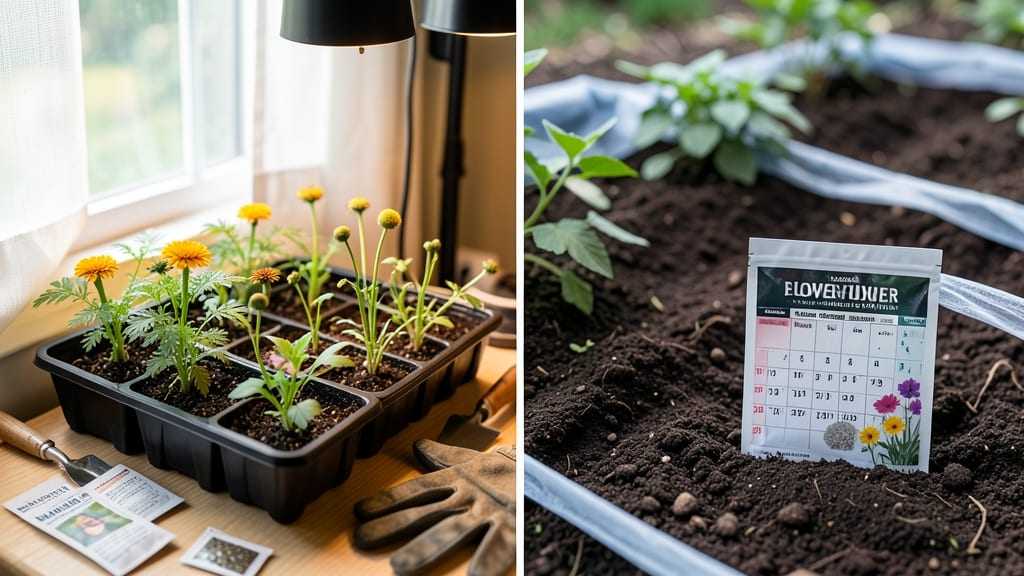
Timing your flower seeds 🌸 planting in Michigan can mean the difference between a showstopping garden and a sad, frost-nibbled disappointment.
With last frost dates swinging wildly from mid-April in the south to early May in the north, knowing exactly when to plant isn't just helpful—it's essential for those vibrant blooms you're dreaming of.
I've learned the hard way that rushing seeds into cold soil or waiting too long can leave your garden sparse. The key lies in understanding your specific USDA zone—whether you're in 5b's warmer pockets or 6b's cooler stretches—and when your soil finally warms to that magic 60°F+ threshold.
What if I told you there are actually two prime windows to get your flower seeds in the ground? The first is that classic late spring rush, but the second—often overlooked—is fall planting for those hardy varieties that love cooler weather.
Let me walk you through both strategies so you can maximize your bloom time.
We'll cover everything from indoor starting techniques to outdoor planting cues, plus how to handle those tricky microclimates that can make even experienced gardeners second-guess their timing. Ready to turn your Michigan garden into a year-round floral masterpiece?
Michigan’s frost-free dates by USDA Zone: best planting windows for flower seeds
Michigan spans USDA Zones 4-6, meaning frost dates vary dramatically from Northern Michigan’s Zone 4 to Southern Michigan’s Zone 6. In Zone 4 (Traverse City, Marquette), the last frost typically arrives May 10-20, while Zone 6 (Detroit, Kalamazoo) sees frost-free conditions by April 20-May 5.
These dates dictate when to sow seeds—both indoors and outdoors—to avoid frost damage and maximize bloom time.
For annual flowers like marigolds, zinnias, and sunflowers, the optimal outdoor planting window is 2-4 weeks after your region’s last frost date.
However, cool-season flowers such as pansies, snapdragons, and sweet alyssum can tolerate light frost and should be planted 4-6 weeks before the last frost for early spring color.
Perennials like coneflowers and black-eyed Susans are best sown indoors 6-8 weeks before last frost or directly outdoors after soil warms to 60°F+.
Here’s a quick reference for Michigan’s frost-free planting windows by zone, including ideal sowing times for popular flowers:
| USDA Zone | Avg. Last Frost | Indoor Start (6-8 wks before) | Outdoor Sowing Window | Best Flowers for Zone |
|---|---|---|---|---|
| Zone 4 (Northern MI) | May 10-20 | March 1-15 | May 25-June 5 | Sunflowers, Coneflowers, Black-Eyed Susans |
| Zone 5 (Central MI) | April 25-May 10 | February 25-March 10 | May 10-20 | Zinnias, Marigolds, Dahlias |
| Zone 6 (Southern MI) | April 20-May 5 | February 15-March 1 | April 25-May 10 | Pansies, Snapdragons, Sweet Alyssum |
To check your exact last frost date, use the National Weather Service’s Frost/Freeze Forecast or local Michigan State University Extension resources. Remember, microclimates (like urban heat islands or sheltered garden spots) can shift frost dates by 1-2 weeks—always err on the side of caution with late-spring frosts.
For fall-blooming flowers, aim to sow seeds 8-10 weeks before your first frost (typically August 15-September 15 in Michigan). Cool-season annuals like cosmos, asters, and calendulas thrive in fall’s milder temperatures and often outperform spring plantings.
Pro tip: Use biodegradable seed starter pots for indoor sowing to avoid transplant shock. Place them in a sunny window or under grow lights (12-16 hours/day) until seedlings develop 2-3 true leaves, then harden them off outdoors for 7-10 days before transplanting.
If you’re unsure about your zone, enter your ZIP code into the USDA Plant Hardiness Zone Map to pinpoint your exact location.
Southern Michigan’s Zone 6 gardeners can push the envelope with earlier sowing, but Northern Michigan’s Zone 4 growers should wait until soil temperatures consistently stay above 50°F to prevent seed rot.
For cold-hardy perennials like bee balm, columbine, and hosta, you can even sow seeds directly outdoors in early spring (March-April) under row covers or in a cold frame. These plants establish roots early and rebound quickly from late frosts.
Always monitor weekly weather forecasts in late April and early May—late-spring frosts are common in Michigan and can wipe out tender seedlings overnight. If frost is predicted, cover young plants with frost cloth or move potted seedlings indoors.
How to extend your Michigan flower season: cold-hardy seeds and succession planting strategies
Michigan’s short growing season means we gardeners must work smarter to enjoy blooms from spring through fall. The key? Cold-hardy seeds and succession planting. By choosing frost-tolerant varieties and staggering your plantings, you can push your flower season well beyond the usual June-to-August window.
Start with early spring sowings of hardy annuals like snapdragons and sweet peas. These can handle light frosts and often bloom earlier than tender varieties. Pair them with perennials like coneflowers, which establish roots early and reward you with years of color.
For maximum impact, use cold frames or row covers to protect tender seedlings. A simple hoop house with plastic sheeting can add 2-3 weeks to your planting window in early spring and extend fall blooms by 4-6 weeks.
Even a cloche or mini greenhouse over vulnerable seedlings makes a difference.
5 Proven Strategies to Extend Your Michigan Flower Season
- 🌡️ Start cold-hardy seeds indoors 8-10 weeks before last frost (early March) for early blooms.
- ☀️ Use row covers to protect seedlings from late frosts and extend fall planting by 4-6 weeks.
- 🔄 Stagger plantings every 2-3 weeks for continuous blooms (e.g., cosmos, zinnias).
- ❄️ Choose late-season varieties like black-eyed Susans or asters that bloom into October.
- 🌱 Plant biennials in summer (e.g., foxgloves) for spring blooms the following year.
Don’t overlook succession planting—the secret weapon for non-stop color. Instead of sowing all your marigolds or sunflowers at once, plant 1/3 of your seeds every 2 weeks. This ensures fresh blooms when earlier varieties fade, creating a continuous display from June through October.
For late-season magic, focus on frost-tolerant annuals like pansies and stock. These thrive in cool weather and often bloom until hard frost. Pair them with hardy perennials such as sedum or Russian sage, which defy autumn’s chill.
Pro tip: Keep a planting journal to track what works in your microclimate. Note which varieties bloom longest and which benefit most from protection. With these strategies, you’ll turn Michigan’s short season into a year-round floral spectacle—one that even the Great Lakes can’t chill out! 🌼