
Plants
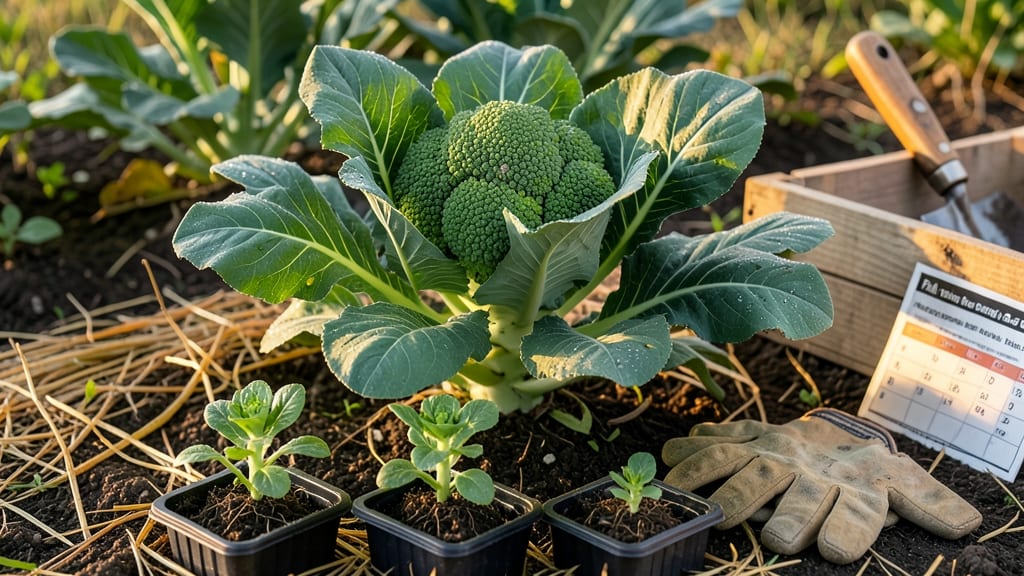
Mastering when to plant fall crops in Zone 8 isn’t just about throwing seeds in the dirt—it's the difference between a thriving harvest and a sad, frost-bitten disappointment.
With Zone 8's unpredictable swings from blazing summer heat to early frosts, you need a strategy that works with the climate, not against it.
I’ve spent years perfecting the art of planting 🍂 fall crops in this tricky zone, and the secret lies in knowing when to start.
Whether you’re growing heat-tolerant greens or root vegetables, the right window ensures your plants mature before the first frost hits—usually around mid-November in most of Zone 8.
In this guide, I’ll break down the exact planting schedule for your favorite fall crops, from leafy greens to brassicas, so you can avoid common mistakes and extend your harvest well into winter. Let’s get those seeds in the ground at the perfect time!
You’ll also discover how to adjust for regional differences—whether you’re in coastal areas with milder microclimates or inland zones where frost comes earlier. Ready to turn your fall garden into a productivity powerhouse?
Optimal planting dates for fall crops in Zone 8 by category
In Zone 8, where summer heat lingers into September and frost arrives as early as mid-November, timing is everything. The key is planting 60–90 days before your first frost—typically between late July and early October—to ensure crops mature before temperatures dip.
For example, leafy greens like spinach need 45–60 days to harvest, while root vegetables like carrots require 70–85 days.
Your first frost date varies by microclimate: coastal areas may delay frost until December, while inland regions can see it as early as November 1st. Use the 60-day rule as your baseline—count backward from your expected frost date to determine when to sow seeds or transplant seedlings.
For instance, if frost hits November 15th, plant heat-loving crops like Malabar spinach by mid-September.
Soil temperature also plays a critical role. Most fall crops thrive when soil cools to 70–80°F, which typically occurs in Zone 8 by late August. Test your soil with a thermometer—if it’s still above 85°F, delay planting heat-sensitive crops like lettuce until temperatures drop.
Use shade cloth or row covers to protect young seedlings from residual summer heat.
Direct-sowing vs. transplanting also affects timing. Root crops (carrots, beets) and leafy greens (kale, arugula) can be sown directly into the garden, while brassicas (broccoli, cabbage) often perform better when transplanted. Start transplants indoors 4–6 weeks before outdoor planting to give them a head start in cooler soil.
Here’s a quick reference for Zone 8’s frost-free window:
- First frost: Mid-November (earlier inland, later coastal)
- Last frost: Mid-January
- Frost-free days: 240 days (longer than most zones)
This means you can often squeeze in two fall plantings: one in late summer for heat-tolerant crops and another in early fall for cooler-season varieties.
🌱 Zone 8 Fall Planting Timeline by Crop Category
| Crop Category | Direct Sow Window | Transplant Window | Days to Harvest | Soil Temp Threshold |
|---|---|---|---|---|
| Leafy Greens (Spinach, Kale, Lettuce) | Late July–Early Sept | Mid-August–Late Sept | 45–60 days | 60–75°F |
| Root Vegetables (Carrots, Beets, Radishes) | Mid-August–Late Sept | N/A (direct sow only) | 60–85 days | 70–80°F |
| Brassicas (Broccoli, Cabbage, Brussels Sprouts) | Early Sept–Mid-Oct | Late July–Early Sept | 70–90 days | 55–70°F |
| Heat-Tolerant Crops (Malabar Spinach, Okra, Sweet Potatoes) | Late June–Early Aug | Late June–Early July | 90–120 days | 75–90°F |
| Alliums (Onions, Garlic, Leeks) | Mid-August–Early Sept | Late July–Early Aug | 80–100 days | 65–75°F |
💡 Pro Tip: Adjust dates 1–2 weeks earlier for inland areas with earlier frosts, or 1–2 weeks later for coastal zones.
For succession planting, stagger sowings every 2–3 weeks to ensure a continuous harvest. For example, plant radishes every 10 days from mid-August to early October for a steady supply. This works especially well for fast-maturing crops like lettuce and arugula, which can bolt in Zone 8’s residual heat.
Watch for heat stress signs like yellowing leaves or stunted growth—these indicate it’s time to shift to cooler-season crops. If your soil stays above 85°F into September, opt for shade-tolerant varieties like 'Outredgeous' lettuce or use row covers to lower temperatures by 10–15°F.
This simple adjustment can extend your planting window by 2–3 weeks.
Don’t overlook microclimates in your garden. South-facing beds warm up faster and may support late-summer plantings of heat lovers like sweet potatoes, while north-facing areas can handle cool-season crops like spinach later into fall. Use these variations to
Heat-tolerant fall varieties that outperform in Zone 8’s late summer
Zone 8’s lingering summer heat can be brutal for traditional fall crops, but the right varieties thrive in these conditions while still maturing before frost. I’ve grown these heat-resistant plants successfully in my garden, and they consistently deliver harvests even when temperatures hover in the 90°F+ range.
For leafy greens, look for varieties like 'Malabar spinach'—it handles heat better than Swiss chard and stays productive until first frost. Another winner is 'Black Seeded Simpson' lettuce, which bolts slower than traditional varieties.
🌱 Top Heat-Tolerant Fall Crops for Zone 8
- 1. Malabar spinach – Thrives at 95°F+, harvests until frost
- 2. 'Black Krim' tomatoes – Disease-resistant, ripens in 70-80 days
- 3. 'Sweet Dumpling' squash – Heat-tolerant, stores well after harvest
- 4. 'Red Sails' Swiss chard – Bright colors, handles 90°F heat
- 5. 'Carolina Gold' collard greens – Sweetens in cool weather, heat-resistant
- 6. 'Bush Early Blue' hubbard squash – Compact, matures in 90 days
- 7. 'Red Russian' kale – Cold-hardy but starts strong in heat
- 8. 'Crimson Romaine' lettuce – Slow to bolt, great for late summer
- 9. 'Black Beauty' sweet potatoes – Needs 120 days but loves heat
- 10. 'Green Tops' turnips – Fast-growing, edible greens and roots
- 11. 'Jalapeño M' peppers – Prolific in heat, stores well
- 12. 'Amaranth' (grain/leaf) – Drought-tolerant, 30-60 days to harvest
When selecting varieties, prioritize those with shorter maturity times (60–90 days) to ensure they finish before the November 15 average first frost in Zone 8. For example, 'Sweet Dumpling' squash matures in just 80 days, making it ideal for late summer planting.
Companion planting can also extend your harvest window. Pair heat-loving crops like peppers and tomatoes with shade-providing plants such as basil or cucumbers. This creates a microclimate that keeps roots cooler while still allowing enough sunlight for growth.
If you’re new to these varieties, start with 2-3 plants per type to test their performance in your specific microclimate. Coastal Zone 8 areas (like San Diego) may have 2-3 weeks longer to plant than inland regions (like Austin
For best results, plant these varieties 6–8 weeks before your first frost date, using well-draining soil and mulch to retain moisture during late summer’s heat. With the right choices, you’ll enjoy fresh harvests well into October—or even November! 🍂