
Plants
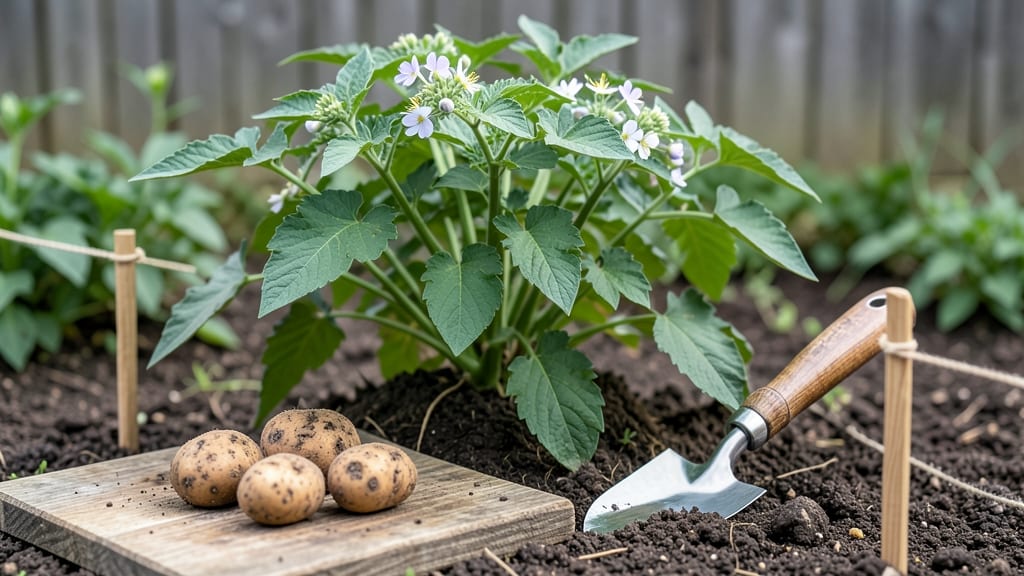
If you've ever wondered when to plant fall potatoes in Virginia, timing isn't just about the calendar—it's about understanding your microclimate. One week too early or late can mean the difference between a bountiful harvest and a frost-damaged crop.
Virginia's diverse zones (7a-8a) create unique challenges, from Piedmont's heavy clay to the Shenandoah Valley's cooler nights.
Most gardeners in Virginia aim to plant 4-6 weeks before the first frost, typically between mid-August and early September. But this window shifts dramatically depending on whether you're in the humid Coastal Plain or the higher elevations of the Blue Ridge Mountains.
The key is matching your potato variety's maturity—90-day types need earlier starts, while 120-day varieties can wait until late August.
What sets Virginia apart is its unpredictable fall weather patterns. A sudden cold snap can turn your 🥔 harvest into a gamble, which is why local frost charts become your best friend.
We'll show you how to read them and adjust your planting schedule to guarantee tubers mature before winter sets in—no more digging up half-frozen potatoes!
Ready to master the art of fall potato planting? You'll learn the exact dates for your region, soil prep secrets for Virginia's tricky conditions, and how to choose varieties that thrive in our short growing seasons. Let's get those spuds in the ground at the perfect moment.
Virginia’s fall potato planting zones: microclimate deadlines by region
Virginia’s diverse geography—from the Coastal Plain to the Blue Ridge Mountains—creates five distinct microclimates, each with unique fall potato planting deadlines. Missing these windows risks frost damage or immature harvests. Let’s break down the best planting times for each region, using USDA zones 5b–8a and local frost data.
For Coastal Virginia (USDA 7b–8a), like Norfolk and Virginia Beach, the growing season stretches longer due to milder winters. Here, you can plant late-summer varieties as late as September 15 and still harvest before frost.
The Tidewater region enjoys an extra 2–3 weeks of warmth, making it ideal for longer-season potatoes like 'Kennebec' or 'Russet Burbank'.
In Piedmont Virginia (USDA 6b–7a), including Richmond and Charlottesville, frost arrives earlier—typically October 20–November 5. Aim to plant by August 15–September 1 for a 90-day harvest window.
The clay-heavy soils here require extra attention to drainage, or tubers may rot. Use raised beds if your yard holds water after rain.
Mountain regions (USDA 5b–6b), such as the Blue Ridge and Shenandoah Valley, face the shortest seasons. Plant early-maturing varieties like 'Yukon Gold' or 'Red Pontiac' by July 15–August 1 to avoid early frosts. Elevation plays a huge role—add 1–2 weeks earlier for every 1,000 feet gained in altitude.
🌱Key Takeaway: Coastal areas gain 3–4 weeks of growing time compared to mountain zones. Always check your local frost dates (NOAA’s Frost/Freeze Product is a great tool) and adjust planting dates accordingly.
| Region | USDA Zone | Planting Window | First Frost Avg. | Best Varieties |
|---|---|---|---|---|
| Coastal Plain | 7b–8a | August 1–September 15 | November 10–15 | Kennebec, Russet Burbank |
| Piedmont | 6b–7a | August 1–September 1 | October 20–November 5 | Yukon Gold, Red Pontiac |
| Blue Ridge | 5b–6b | July 15–August 1 | October 1–15 | Early Rose, Irish Cobbler |
| Shenandoah Valley | 6a–6b | July 20–August 10 | October 10–20 | Sweet Potato, Fingerling |
| Tidewater | 8a | August 15–September 30 | November 15–20 | Adirondack Red, Purple Peruvian |
Urban gardeners in Richmond or Roanoke may experience microclimate variations due to heat islands. If your yard is paved-heavy, plant 1 week earlier—concrete retains heat longer, delaying frost. Conversely, wooded areas can frost 1–2 weeks earlier than open fields, so adjust your timeline accordingly.
For container growing, stick to early-maturing varieties (60–70 days) and plant by August 1 in most zones. Containers cool faster, so extend the season with row covers if frost threatens. Place pots in south-facing locations to maximize sunlight exposure.
🌿Pro Tip: Use straw mulch (4–6 inches thick) to insulate soil and protect tubers from early frost. This buys you an extra 1–2 weeks of harvest time in marginal zones like the Blue Ridge.
If you’re unsure about your exact microclimate, observe your neighbors’ gardens. When their tomato plants start wilting from frost, count backward 90 days to determine your ideal planting date. This real-world method often aligns better with local conditions than USDA charts alone.
How to calculate your exact fall potato planting date using frost charts
Determining the perfect fall potato planting date in Virginia starts with your local first frost date. Unlike spring potatoes, fall varieties need 90–120 days to mature before frost hits.
Use NOAA frost charts (available at NOAA Climate Data) to pinpoint your exact planting window—typically 4–6 weeks before frost.
For example, in USDA Zone 7a (common in Piedmont), the average first frost is October 20–30. Count backward 100 days (for standard varieties) to arrive at your ideal planting date: August 10–20. Early varieties like 'Red Pontiac' (90 days) can stretch this to September 1.
🌱
Pro tip: Use certified seed potatoes (not grocery store spuds) to avoid disease risks. For extra insurance, plant two batches 2 weeks apart—one for early harvests, one for late-season storage.
Missed the window? Try container growing—potatoes thrive in 5-gallon buckets and can be moved indoors before frost. Just ensure 6+ hours of sunlight daily.
☀️