
Planting
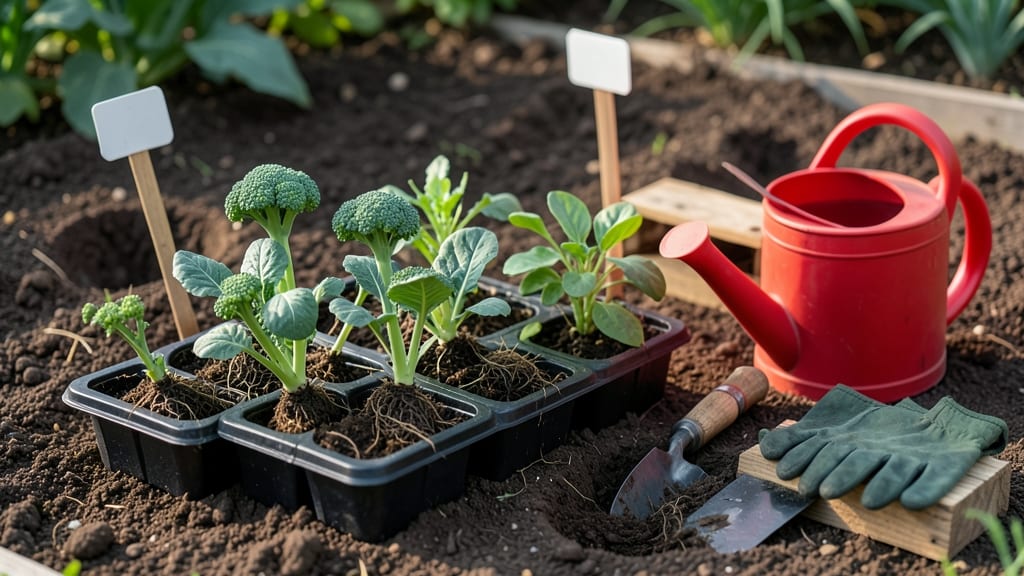
When do you plant a fall garden in Texas? Timing your fall garden in Texas isn't just about waiting for cooler weather—it's about beating the heat while avoiding that dreaded first frost.
If you plant too early, your seedlings will wilt under 100°F soil; too late, and frost will nip your crops before they mature. The sweet spot? August through October, but your exact start date depends on which Texas heat zone you're in.
Let me cut through the confusion with zone-specific planting windows that actually work. Whether you're in North Texas where frosts sneak in by November or South Texas where mild winters stretch harvests longer, you'll learn exactly when to sow each crop for maximum success.
No more guesswork—just proven dates that align with your local climate.
We'll cover the best cool-season crops for your region and how to prep your soil for fall planting. From broccoli that thrives in Zone 8a to spinach that loves Zone 9b's extended growing season, you'll discover which varieties perform best where.
Plus, I'll share my top tips for succession planting to keep your kitchen stocked all winter long.
Ready to grow a fall garden that outlasts the heat and frost? Let's dive into the exact planting schedule that'll give you a bountiful harvest—no matter which part of Texas you call home.
Texas heat Zone planting calendar: exact fall garden start dates by region
Texas spans 10 USDA heat zones, from Zone 7a in the Panhandle to Zone 10b in the Rio Grande Valley. Each zone has its own last-frost dates, which dictate your fall planting window.
Plant too early, and your greens bolt in the heat; too late, and frost ruins your harvest. Let’s break it down by zone so you can time your plantings for zero-frost success.
For North Texas (Zones 7a–8b), your ideal planting window starts in mid-August for fast-maturing crops like radishes and bush beans. Slow growers like broccoli and cauliflower need to hit the soil by late August to avoid frost.
In Central Texas (Zones 8a–9a), you’ve got a 2-week longer window, starting in early August for heat-sensitive crops.
Southern Texas gardeners in Zones 9b–10b enjoy the longest fall growing season, with July through September as prime planting months. Here, you can even succession plant heat-tolerant greens like collard greens and mustard greens straight into October. The key? Soil temperature—aim for 60–70°F for optimal germination.
| Texas Heat Zone | Last Frost Date | Ideal Planting Window | Fast Crops (45–60 days) | Slow Crops (60+ days) |
|---|---|---|---|---|
| Zones 7a–8a (Panhandle, North) | Mid-November | Mid-August–Late August | Radishes, Lettuce, Spinach | Broccoli, Kale, Carrots |
| Zones 8b–9a (Central) | Early December | Early August–Early September | Bush Beans, Turnips, Arugula | Cabbage, Swiss Chard, Onions |
| Zones 9b–10b (South) | Mid-December | July–September | Collard Greens, Mustard Greens | Brussels Sprouts, Leeks, Fennel |
If you’re in Zone 7a or 8a, I recommend staggering plantings every 2 weeks from mid-August through early September. This ensures a continuous harvest before frost hits.
For example, plant lettuce in mid-August for a September harvest, then replant in early September for a late October harvest before the first frost.
For Central and South Texas, you can push the envelope further. In Zone 9a, you can even direct-sow spinach and kale in early October if you’re willing to protect them with row covers. The goal? Maximize your growing season without sacrificing crop quality.
One common mistake Texas gardeners make is planting too late for slow growers. For instance, broccoli takes 70–90 days to mature. If you plant it in late September in Zone 8a, you’ll likely lose it to frost before it’s ready.
Always count backward from your expected frost date to determine your last planting window.
Another trick? Use a soil thermometer to confirm soil temps are below 85°F before planting cool-season crops. Heat-loving plants like tomatoes and peppers can still handle 80–90°F soil, but leafy greens and brassicas will bolt if the soil is too warm. Aim for 60–75°F for best results.
Don’t forget about succession planting—it’s your secret weapon for a longer harvest. For example, in Zone 9a, you can plant radishes every 2 weeks from July through September and enjoy a steady supply all fall.
This works for bush beans, turnips, and even lettuce in warmer zones.
If you’re unsure about your exact frost date, check the Texas A&M AgriLife Extension frost maps or use a local weather app like Weather.com for real-time updates. Remember, microclimates matter—a hilltop or low-lying area can frost 1–2 weeks
Best fall vegetables for Texas gardens and their ideal planting strategies
Texas’ fall garden thrives on cool-season crops that tolerate mild temperatures but avoid frost. My top picks include leafy greens like kale and broccoli, which mature quickly in 50–65°F soil.
These varieties not only survive Texas’ unpredictable weather but also deliver high yields when planted at the right time.
For fast harvests, prioritize radishes (25–30 days) and bush beans (50–60 days). These crops let you enjoy fresh produce before winter sets in. Meanwhile, slow growers like carrots (70+ days) or cabbage (80+ days) need early starts to mature before the first frost.
🌱 Fast vs. Slow Growers: Texas Fall Planting Guide
- Fast (25–60 days): Radishes, Lettuce, Spinach, Bush Beans
- Medium (60–80 days): Kale, Swiss Chard, Broccoli, Carrots
- Slow (80+ days): Cabbage, Brussels Sprouts, Cauliflower
💡 Pro Tip: Plant fast growers first, then succession-sow slow varieties every 2–3 weeks for continuous harvests.
Succession planting is my secret weapon for fall garden success. Instead of planting everything at once, stagger seed sowing every 10–14 days to ensure a steady supply. For example, if you plant lettuce every 2 weeks starting in early September, you’ll have fresh heads through November—just before frost.
Don’t overlook herbs and microgreens like cilantro or arugula, which thrive in cool weather. These add flavor to fall meals and fill gaps between slower-growing crops. Cilantro, for instance, bolts in heat but loves 55–75°F temperatures, making it perfect for late September plantings.
For frost-sensitive crops, use row covers or cold frames to extend the season. I’ve had great luck with spinach and turnips under lightweight fabric, which protects them from light frosts (28–32°F).
Always check your local frost dates—North Texas (Zone 8a) gets frost by mid-November, while South Texas (Zone 9b) can garden until December.
Finally, soil prep is non-negotiable. Amend beds with compost or aged manure before planting to boost nutrient levels. Cool-season crops like kale and broccoli crave nitrogen-rich soil, so a light feeding with fish emulsion at planting time gives them a head start.