
Plants
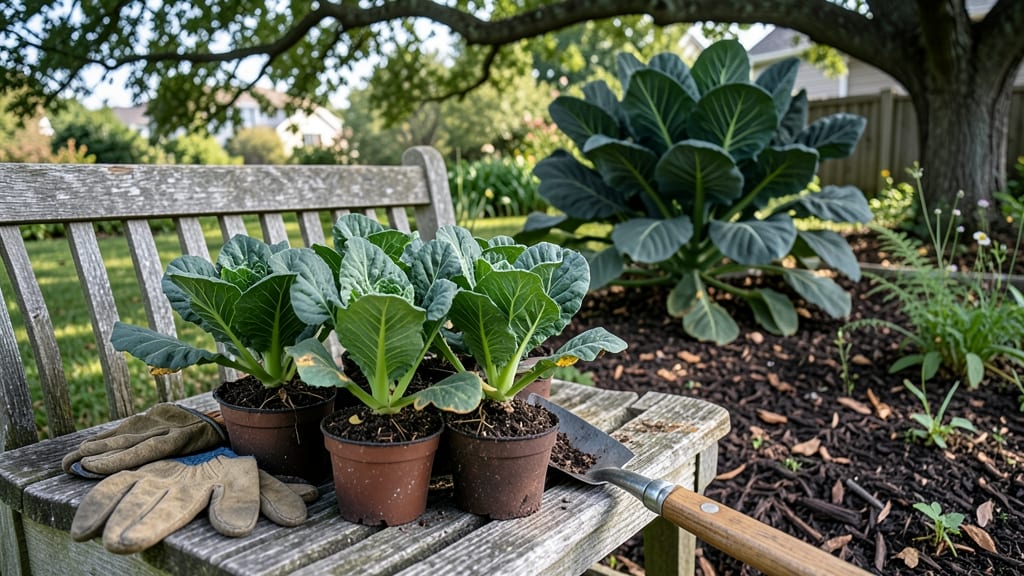
If you've ever wondered "when to plant collard greens in Georgia" without risking frost or bitter leaves, you're not alone. Georgia's unique climate—with its long summers and mild winters—means collards can thrive year-round, but timing is everything.
Plant too early, and a late frost will ruin your harvest; too late, and the heat turns your greens tough and bitter.
For gardeners in Georgia, the key is understanding your heat zone and working with the seasons.
Whether you're in the cooler Zone 7 or the warmer Zone 9, knowing the last frost dates and ideal transplanting windows can mean the difference between a bounty of tender greens and a disappointing patch.
I'll break down the exact schedule for both spring and fall planting, so you can stretch your harvest from summer through winter.
Beyond timing, Georgia's soil and climate demand some smart strategies to keep your collards thriving. From mulching to protect against light frosts to choosing the right varieties for your zone, these tips will help you avoid common mistakes.
Let’s dive into the best practices for planting collards in Georgia, so you can enjoy a steady supply of homegrown greens all season long.
Ready to grow collards that taste as good as they look? You’ll learn how to prep your soil, space your plants just right, and even extend your harvest into the cooler months.
Whether you're a seasoned gardener or just starting out, these insights will help you grow collards like a pro in Georgia's climate.
Georgia heat zone planting deadlines for collard greens (with frost risk dates)
Georgia’s USDA heat zones 6–9 create a unique challenge for collard greens—too early, and winter freezes ruin your crop; too late, and summer heat triggers bolting (flowering) or bitter leaves. The key is planting 6–8 weeks before your first frost in fall or 4–6 weeks before last frost in spring.
For most of Georgia, that means mid-August to early October for fall planting and February to early April for spring. But your exact frost dates depend on your heat zone.
In Zone 6 (northwest Georgia), your average first frost hits mid-November, so aim for late July to early September transplants. Zone 7 (central Georgia) has late October frosts, giving you a longer window (August to early October). Zones 8–9 (southern Georgia/coastal areas) rarely see frost, so you can plant year-round—but avoid peak summer heat (June–July) to prevent bolting.
For maximum harvests, I recommend two plantings: one in early fall (August–September) and another in late winter (February). This stretches your yield from fall through spring, avoiding the summer slump.
Always check your local frost dates (extension offices have updated data), as microclimates can shift timelines by 1–2 weeks.
Here’s the critical timeline for Georgia gardeners: Direct-sow seeds 2–3 weeks earlier than transplants (since they germinate faster), but transplants give you a 2–3 week head start on growth. In Zones 8–9, you can even overwinter collards with row covers and mulch for spring harvests.
| Heat Zone | Fall Planting Window | Spring Planting Window | First Frost Date | Key Tip |
|---|---|---|---|---|
| Zone 6 | Late July–Early September | February–Early April | Mid-November | Use row covers after frost |
| Zone 7 | August–Early October | Late February–April | Late October | Mulch heavily for winter |
| Zone 8 | September–October | March–April | Rare (Dec–Jan) | Avoid summer heat (June–July) |
| Zone 9 | Year-round (avoid June–July) | February–March | None | Succession plant every 2 weeks |
Soil temperature is just as critical as air temperature. Collard greens won’t germinate well below 50°F (10°C). Use a soil thermometer to confirm 60–70°F (15–21°C) for ideal seedling growth. In Zones 6–7, wait until mid-August to avoid early frosts ruining young plants. For Zones 8–9, plant late summer (September) to escape the worst heat.
Spacing matters too—collards need 12–18 inches apart in rows 24–30 inches apart to prevent crowding, which leads to disease and poor air circulation. In small gardens, try square-foot gardening: 4 plants per square foot. This also makes it easier to harvest outer leaves without disturbing the whole plant.
Pro tip: If you’re in Zone 7 or warmer, try succession planting every 2–3 weeks from August to October. This ensures a continuous harvest through winter. Pair collards with bush beans or radishes in the same bed—they fix nitrogen in the soil, boosting collard growth.
Watch for bolting in Zones 8–9 if you plant in late spring (May–June). Heat stress triggers flowering, making leaves tough and bitter. To avoid this, plant in partial shade during summer or use shade cloth (30–50%) over seedlings until they establish.
Finally, harden off transplants before setting them out. Acclimate them to outdoor conditions over 7–10 days by gradually increasing sun exposure and reducing water. This minimizes transplant shock, giving your collards a stronger start in Georgia’s variable climate.
How to stretch collard green harvests through Georgia’s winter (cold-hardiness hacks)
Georgia’s mild winters let you enjoy collard greens year-round, but light frosts (down to 20°F) can damage tender leaves. The key is strategic planting and protective techniques to keep your harvests thriving through December and beyond.
Start with cold-hardy varieties like Georgia Southern or Vates, which tolerate 20–25°F without bolting.
For a fall harvest, plant seeds 6–8 weeks before your first frost date (typically mid-October in most of Georgia). This gives plants enough time to mature before winter sets in.
If you’re in heat zones 7–9, you can even plant a late-summer crop (around August 15) for a winter-to-spring harvest.
🌱 Pro Tip: Use row covers or low tunnels to protect young plants from unexpected frosts. These create a 5–10°F warmer microclimate, extending your harvest window by 4–6 weeks. Remove covers during the day to prevent overheating.
🌱 Cold-Hardiness Hacks for Georgia Collards
- 1. Mulch heavily with straw or leaves (3–4 inches) to insulate roots and prevent soil temperature drops.
- 2. Choose late-maturing varieties like Blue Max or Champion, which handle cold better than early types.
- 3. Plant in raised beds—warmer soil speeds up growth and reduces frost damage risk.
- 4. Water deeply before frosts to help plants absorb moisture and withstand cold snaps.
- 5. Harvest outer leaves first to protect the plant’s core during hard freezes.
If you’re aiming for a spring harvest, sow seeds in early February (for zones 7–9) or late February (for zone 6). Use black plastic mulch to warm the soil faster and jumpstart growth.
For container gardening, move pots to a sunny, sheltered spot and wrap them in bubble wrap for extra insulation.
Watch for bolt-resistant varieties in heat zones 8–9, where summer heat can trigger early flowering. Top-dress with compost in early spring to replenish nutrients lost over winter. With these tricks, you’ll enjoy sweet, tender collards from fall through spring—no frost damage in sight!
🌿 Remember: Even cold-hardy collards need 6–8 hours of sun daily, even in winter. Prune damaged leaves after frosts to encourage new growth and keep plants productive.