
Plants
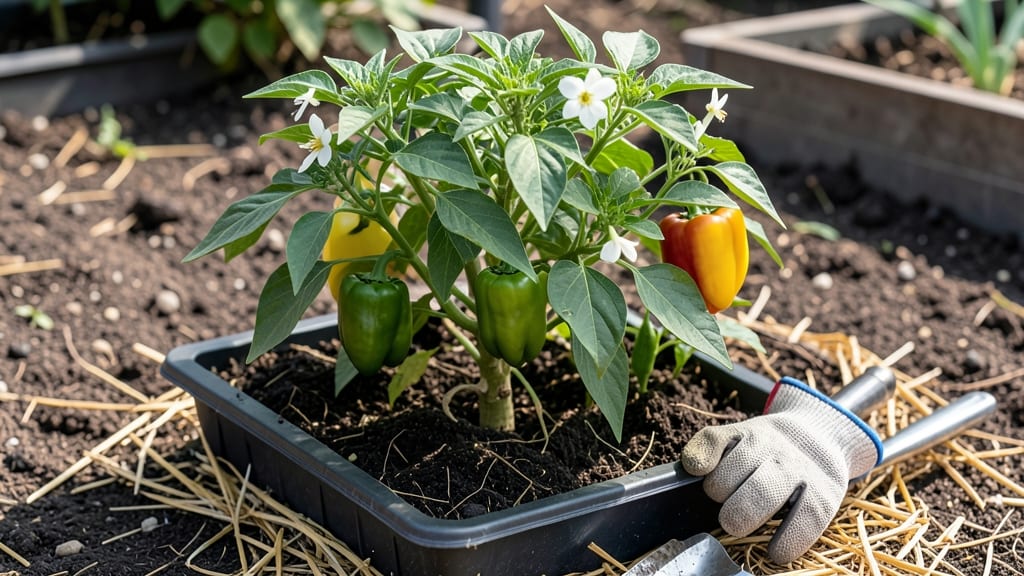
Timing your 🌶️ bell pepper planting in Southern California isn’t just about the calendar—it’s about beating the heat, avoiding water restrictions, and locking in that sweet harvest before summer’s peak.
Skip the wrong window, and you’ll end up with bitter peppers or wasted effort, especially in USDA Zone 10b where frost is a non-issue but scorching afternoons are very real.
Most gardeners in SoCal swear by two ideal planting windows: late March to April for spring crops or August to mid-September for fall harvests.
But here’s the catch—coastal areas like Santa Barbara can handle transplants 2 weeks earlier than inland spots near Palm Springs, where 90°F+ soil can fry young plants. I’ll break down exactly how to sync your schedule with your microclimate.
You’ll also discover how to prep your soil for 70°F+ germination, when to mulch for moisture retention (critical in drought-prone zones), and which companion plants keep pests at bay.
No more guessing—just a foolproof plan to turn your garden into a pepper powerhouse, whether you’re growing sweet bells or fiery jalapeños.
Ready to ditch the trial-and-error? Let’s get into the month-by-month calendar that’s already helped thousands of SoCal gardeners maximize their harvest—without the stress. Your first crisp pepper of the season is closer than you think!
Optimal bell pepper planting timeline for Southern California’s climate
Southern California’s Heat Zone 10b offers gardeners two prime windows to grow bell peppers: spring and fall. Unlike northern climates, we don’t have to worry about frost, but timing still matters to avoid heat stress or bitter flavors.
The key is planting when soil temperatures hit 60°F+ and daytime highs stay below 90°F for optimal germination and growth.
For spring planting, start seeds indoors 8–10 weeks before your target transplant date (typically March 15–April 30). This gives seedlings a head start before peak summer heat arrives.
Fall planting works best from August 1–September 15, allowing peppers to mature before cooler temperatures slow growth in late autumn.
🌱
| Stage | Action | Notes |
|---|---|---|
| Spring Planting | Start seeds indoors: January 15–February 15 | Use grow lights; keep soil 70–80°F. |
| Transplant outdoors | March 15–April 30 | Wait until soil is 60°F+ and nights are 55°F+. |
| Harvest Window | June–October | Peaks in July–September with consistent care. |
| Fall Planting | Start seeds indoors: June 15–July 15 | Choose heat-tolerant varieties like 'NuMex' or 'Jupiter'. |
| Transplant outdoors | August 1–September 15 | Avoid transplanting after September 20 for harvests. |
| Harvest Window | October–December | Use row covers if temps drop below 50°F. |
If you’re buying transplants instead of starting seeds, time your purchase to align with these windows. Nurseries in Southern California typically stock bell pepper seedlings from March through May for spring and August through September for fall.
Look for healthy, stocky plants with dark green leaves—avoid leggy or yellowing seedlings, as they’ll struggle in our heat.
🌿
One critical factor in Southern California is heat tolerance. Bell peppers hate extreme heat—temperatures above 90°F can cause blossom drop and bitter fruit. That’s why fall planting is ideal: it lets peppers mature before summer’s peak intensity.
For spring plantings, use shade cloth (30–50%) during June–August to protect young plants and keep soil moist.
💧
Pro tip: Mulch heavily (3–4 inches of straw or wood chips) to retain moisture and regulate soil temperature. This is especially important in coastal areas, where morning fog can create temperature swings, and in inland desert zones, where soil can bake in the sun.
Mulch also suppresses weeds, which compete for nutrients and water—critical in our drought-prone climate.
🌡️
For container gardening, adjust your timeline slightly. Potted peppers heat up faster than in-ground plants, so transplant 1–2 weeks earlier in spring and 1–2 weeks later in fall.
Use black or dark-colored pots to absorb heat (but add insulated sleeves if temps exceed 95°F), and always place containers in morning sun with afternoon shade.
✂️
How to adjust planting for Southern California’s microclimates
Southern California’s diverse microclimates—from coastal fog belts to inland deserts—mean one-size-fits-all planting advice won’t work. Coastal areas like Santa Barbara stay cooler and more humid, while inland zones like Riverside hit 110°F+ summers.
Even urban gardens in LA face heat-island effects that alter soil temperatures. Here’s how to tailor your bell pepper planting for your specific zone.
Coastal areas (e.g., Malibu, Santa Cruz) enjoy milder winters and slower soil warming. Start seeds indoors by February 15 and transplant outdoors by April 15 to avoid cooler-than-expected nights. Use black plastic mulch to warm soil faster, and opt for heat-tolerant varieties like ‘Carmen’ or ‘Jupiter’ if summers linger warm.
Inland valleys (e.g., San Fernando Valley, Coachella Valley) bake in summer, so fall planting is critical. Seedlings thrive when transplanted by August 1 to mature before September’s heat spikes. Shade cloth (30-50%) protects young plants, and drip irrigation prevents leaf scorch. Avoid nitrogen-heavy fertilizers—they stress plants in 105°F+ temps.
Urban gardens (e.g., LA, San Diego) face concrete heat absorption and water restrictions. Plant in raised beds with compost to improve drainage, and water deeply every 2-3 days during dry spells. Choose compact varieties like ‘Lucky Lady’ to fit small spaces and reduce heat exposure.
High-desert areas (e.g., Palm Springs, Joshua Tree) have cold winter nights and intense summer sun. Wait until April 15 for spring planting and use row covers for frost protection. In fall, plant by August 15 and provide afternoon shade with shade cloth or nearby trees.
🌶️ Microclimate Planting Guide for Southern California
| Zone | Spring Planting Window | Fall Planting Window | Key Adjustments |
|---|---|---|---|
| Coastal (e.g., Santa Barbara) | Feb 15 – Apr 15 | Aug 15 – Sep 15 | Black mulch, heat-tolerant varieties |
| Inland Valley (e.g., San Fernando) | Mar 1 – Apr 30 | Aug 1 – Sep 1 | Shade cloth, drip irrigation |
| Urban (e.g., LA) | Mar 15 – Apr 15 | Aug 10 – Sep 10 | Raised beds, compact varieties |
| High Desert (e.g., Palm Springs) | Apr 15 – May 15 | Aug 15 – Sep 10 | Row covers, afternoon shade |
For container gardening, use 5-gallon pots with fast-draining mix and move containers to shadier spots by noon during summer. Self-watering pots help conserve water in drought-prone areas. If you’re in a rental home, try vertical planters or hanging baskets> with trailing varieties like ‘Apache’.
Soil prep is non-negotiable: Test pH (6.0–6.8) and amend with compost or aged manure before planting. In sandy desert soils, add organic matter to retain moisture, while coastal clay soils benefit from gypsum or perlite>.
Mulch with straw or wood chips to regulate soil temperature and reduce water loss.
Pro tip: Monitor your local AgriMet station (available online) for real-time soil temps—bell peppers need 70°F+ soil to germinate. If your area’s soil runs cold, use heat mats or plant in warmth-trapping containers>. With these adjustments, you’ll avoid bolting, blossom drop, or heat stress> and enjoy a bountiful harvest year-round. 🌱