Plants
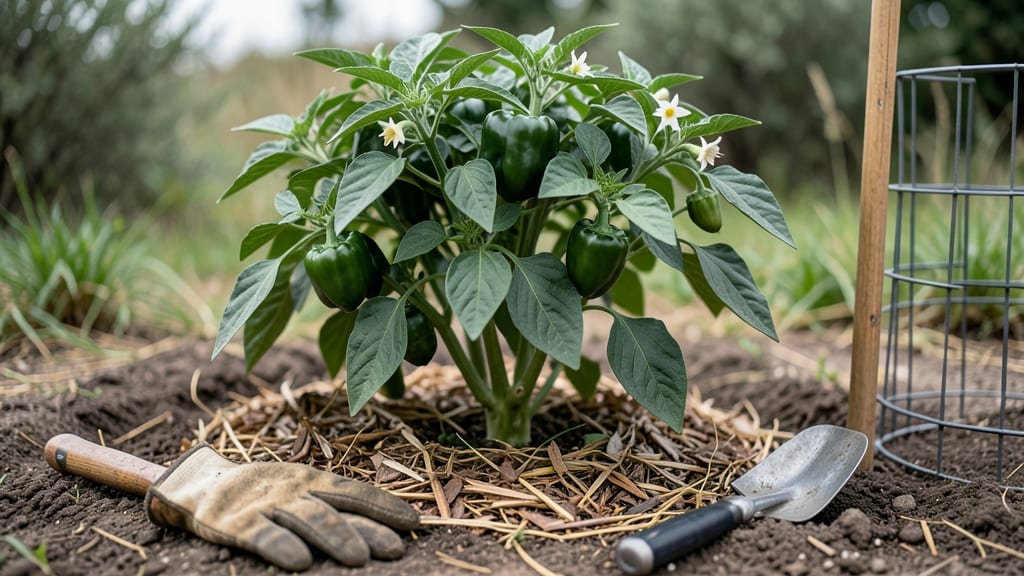
Timing your bell pepper planting in Indiana can make the difference between a thriving garden and a sad, frost-bitten 🌶️ disappointment. With Indiana’s USDA Zone 6a climate, knowing exactly when to start seeds indoors or transplant seedlings is the key to a bountiful harvest.
Most gardeners in Indiana wait until after the last frost date—typically around April 15—before planting bell peppers directly in the ground. But here’s the catch: soil temperature matters just as much as calendar dates.
Peppers need warm soil, ideally above 60°F, to thrive, which usually means waiting until late May in cooler years.
If you’re eager to get a jumpstart, you can begin seeds indoors 8-10 weeks before the last frost, around early March. This way, you’ll have healthy seedlings ready to transplant once the weather cooperates.
The goal? A harvest window from July through October—when your peppers are sweet, vibrant, and ready to pick.
Ready to avoid the common mistakes and maximize your pepper yield? Let’s break down the exact steps to time your planting perfectly for Indiana’s climate.
Indiana bell pepper planting timeline by USDA zones (5-6)
Indiana’s USDA zones 5-6 create unique challenges for bell pepper growers. The average last frost date hovers around April 15, but soil temperature is the real game-changer—peppers need 60°F+ soil to thrive.
In cooler northern Indiana (Zone 5), aim for late May planting, while southern Indiana (Zone 6) can start as early as mid-April.
Most Hoosier gardeners choose transplanting seedlings over direct sowing because peppers are frost-sensitive and grow slowly in cool soil. Starting seeds indoors 8-10 weeks before last frost gives you a head start, while hardening off seedlings prepares them for Indiana’s unpredictable spring weather swings.
Here’s how to balance timing with Indiana’s variable climate—because a late frost in May can wipe out unprotected plants overnight. The key is soil temperature, not just air temperature. Use a soil thermometer to confirm readiness before planting.
🌱 Indiana Bell Pepper Planting Comparison
| Method | Zone 5 (Northern IN) | Zone 6 (Southern IN) | Key Consideration |
|---|---|---|---|
| Direct Sowing | Late May - Early June (after soil hits 65°F) | Mid-April - Early May (after last frost) | Slower growth; higher frost risk |
| Transplant Seedlings | Late April - Early May (soil 60°F+) | Early April - Mid-April (soil 55°F+) | Faster maturity; better yield |
| Fall Planting | Late July - Early August (for late harvest) | Late June - Mid-July (for late harvest) | Extend season; avoid summer heat stress |
| Indoor Start | March 15 (8-10 weeks before last frost) | February 28 (8-10 weeks before last frost) | Controlled environment; higher success rate |
For northern Indiana gardeners, consider using black plastic mulch to warm soil faster and protect young plants. This simple trick can shave 2-3 weeks off your planting timeline by raising soil temperatures by 5-10°F.
Southern Indiana gardeners can push early plantings with row covers to shield against late frosts.
Indiana’s summer heat (often hitting 90°F+) can stress peppers if planted too early. Aim for mid-May transplants in most areas to give plants time to establish before the heat peaks. Heat-tolerant varieties like ‘Carolina Wonder’ or ‘Aristotle’ handle Indiana’s humidity better than standard types.
Don’t overlook fall planting opportunities! In Zone 6, you can sow seeds in late July for a September-October harvest before the first frost. Use fast-maturing varieties (60-day varieties) to ensure success. Just be prepared to harvest before hard frosts, which typically arrive by mid-October.
Pro tip: Track your local microclimate—urban areas like Indianapolis often warm up faster than rural zones. Use a neighbor’s garden as a reference or check Indiana State Climate Office data for your county’s specific frost patterns.
Finally, remember that bell peppers hate cold soil. If your soil thermometer reads below 60°F, wait—even if the air feels warm. Root rot and stunted growth are common when peppers struggle in chilly conditions. Patience now means bigger harvests later!
5 Signs your Indiana soil is ready for bell pepper planting
Before you rush to plant your bell pepper seedlings, Indiana’s soil needs to meet key conditions to ensure strong root growth and vibrant harvests. Cold soil or poor drainage can stall your peppers, so here’s how to check readiness—without fancy tools.
First, test soil temperature with your hand or a thermometer. Bell peppers thrive when soil reaches 60°F or warmer. Stick your finger in about 2 inches deep—if it feels warm (like a sunny spring day), your soil is ready. Cooler soil delays germination and weakens roots.
Next, check moisture balance by squeezing a handful of soil. It should hold together but not feel soggy. Damp soil with good drainage prevents root rot, while dry, crumbly soil signals you need to water before planting. Aim for consistent moisture, not saturation.
🌱 5 Signs Your Soil Is Ready
- Soil temp: 60°F+ (test with thermometer or hand)
- Moisture: Damp but not soggy (squeezes into a ball)
- Drainage: Water drains within 1-2 hours (no puddles)
- Earthworms: Active worms indicate healthy, aerated soil
- Color: Dark brown/black (rich in organic matter)
Don’t overlook drainage tests. Dig a small hole, fill it with water, and wait. If water disappears within 1-2 hours, your soil drains well. Standing water means amend with compost or sand to improve structure. Bell peppers hate soggy roots!
Look for earthworms or other soil life—these creatures aerate the soil naturally. Healthy soil teems with activity, while compacted or chemical-heavy soil repels them. Add compost or aged manure if you spot few worms to boost microbial life.
Finally, observe the soil’s color and texture. Dark brown or black soil rich in organic matter is ideal. Light-colored or powdery soil needs amendments like compost or peat moss. Amend before planting to give your peppers a nutrient-rich start.
Once your soil passes these tests, your bell peppers will thrive—producing sweet, flavorful harvests all summer long. Happy planting! 🌱