
Plants
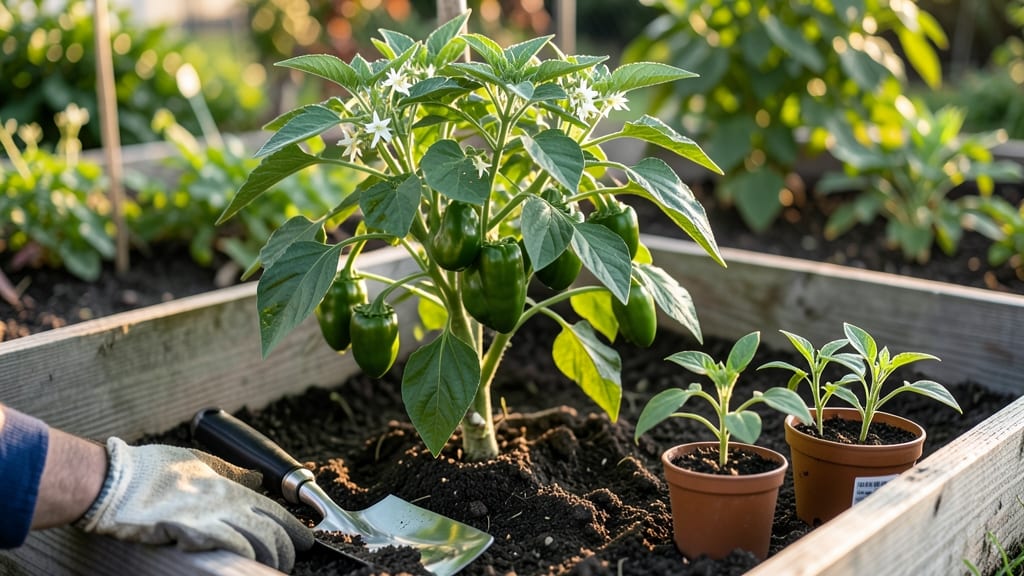
Timing your bell pepper 🌶️ planting in California isn’t just about the calendar—it’s about dodging coastal fog, inland heat spikes, and desert dryness. Get it wrong, and you’ll either wait forever for harvests or watch your plants wilt under stress.
Here’s the kicker: what works in 9a-10b zones along the coast (think February starts) fails inland, where March is your golden window. And if you’re in the Central Valley? July-August is your secret weapon for fall crops.
I’ve grown bell peppers across these regions, and the difference between a bumper crop and a sad garden comes down to one thing: matching your variety to your microclimate. Let me show you exactly when—and how—to plant for maximum yields.
From soil temps to seed-starting hacks, we’ll cover everything you need to turn your California garden into a pepper powerhouse. Ready to grow like a pro?
California bell pepper planting calendar by region (coastal vs. inland vs. desert)
California’s diverse climate zones mean your bell pepper planting window could be 6 months apart depending on where you live. Coastal areas like San Francisco enjoy mild winters, while Central Valley gardeners face hotter summers and occasional frost.
Even desert regions like Palm Springs have their own ideal timing. Let’s break it down by region to ensure your Capsicum annuum thrives.
For coastal California (USDA zones 9b-10a), like Santa Barbara or Monterey, start seeds indoors in January and transplant outdoors in February-March. These areas rarely see frost, so you can push early starts.
In contrast, inland valleys (e.g., Sacramento or Fresno) should wait until March-April to avoid late spring frosts, which can still dip below 32°F (0°C).
Here’s how to align your planting with California’s 5 key regions, including frost-free dates and heat tolerance thresholds for bell peppers:
🌶️ Bell Pepper Planting Calendar by California Region
| Region | Start Seeds Indoors | Transplant Outdoors | Last Frost Date | Heat Tolerance Note |
|---|---|---|---|---|
| North Coast (Eureka, Redwood City) | Late January | Mid-February to March | None (rare frost) | Cool summers; extend season with shade cloth |
| Bay Area (San Francisco, Oakland) | January | February to early March | None (occasional light frost) | Moderate heat; ideal for early varieties |
| Central Valley (Sacramento, Fresno) | February | Mid-March to April | Mid-April (varies yearly) | Hot summers; plant heat-tolerant varieties |
| Southern California (Los Angeles, San Diego) | January-February | February-March (spring) or August (fall) | None (year-round growing) | Mild winters; two harvests possible |
| Desert (Palm Springs, Joshua Tree) | March | April-May (spring) or July-August (fall) | None (extreme heat) | Intense sun; use shade cloth and mulch |
💡 Pro Tip: Desert gardeners can also try a fall crop by planting in July-August for harvests before winter.
If you’re in Southern California, you’re lucky—you can plant bell peppers twice a year! Start a spring crop in February-March for summer harvests, then plant again in July-August for fall yields.
This works especially well in San Diego and Los Angeles, where winters are mild. Just ensure your soil temperature stays above 60°F (15°C) for germination.
For desert regions, timing is critical to avoid heat stress. Plant in April-May for spring or July-August for fall, and always use shade cloth (30-50%) to protect young plants from 100°F+ temperatures.
Mulch heavily to retain moisture and cool roots. In contrast, coastal areas can afford to start earlier, but avoid planting before February—cooler soils slow germination.
One common mistake is assuming all of California is the same. For example, Sacramento’s last frost date is typically mid-April, while San Francisco’s coastal fog keeps frost risk nearly zero. Always check your local USDA zone and historical frost data to adjust your schedule.
For instance, zone 9b areas (like San Francisco) can plant 4-6 weeks earlier than zone 10a (e.g., Palm Springs).
Another key factor is variety selection. Heat-tolerant varieties like ‘Carmen’ or ‘Jupiter’ thrive in Central Valley heat, while cooler-climate picks like ‘Sweet Banana’ do better in coastal fog. Match your planting time to your variety’s needs—more on this in the next section! ☀️
Remember, bell peppers hate cold soil. Always
How to adjust planting times for early vs. late varieties of bell peppers
Not all bell peppers are created equal—and neither are their planting windows. Early varieties like 'Sweet Banana' thrive in cooler coastal climates, while heat-tolerant types such as 'Carmen' or 'Jupiter' dominate inland valleys. The key? Matching your pepper variety to your region’s last frost date and summer heat spikes.
For cooler coastal areas (USDA 9a-9b), early varieties need to hit the ground by late February to avoid spring chill. Inland valleys (USDA 10a-10b) can wait until March, while desert regions often plant fall crops in July-August to escape summer’s brutal heat.
I’ve seen 'Carmen' peppers wilt in 95°F+ temps, but with shade cloth, they’ll reward you with red peppers until December.
🌶️ Pro Tip: Always check your seed packet for days to maturity. A 60-day variety planted in April will harvest by June, while a 90-day type needs a July start for fall yields in the Central Valley.
Early Varieties (Cooler Climates)
- ✅ Thrives in 55–75°F soil temps
- ✅ Faster 60–75 day harvests
- ✅ Ideal for coastal fog zones
- ❌ Struggles in 90°F+ heat
- ❌ Shorter harvest window
- ❌ Needs row covers for frost
Late Varieties (Heat-Tolerant)
- ✅ Handles 95°F+ temps with shade
- ✅ 90–120 day harvests extend season
- ✅ Better for fall crops in deserts
- ❌ Needs warmer soil (70°F+)
- ❌ Slower early growth
- ❌ Risk of blossom drop in heat
If you’re in a transitional zone (like the Bay Area), opt for mid-season varieties like 'California Wonder'—they balance cool starts with heat tolerance. For inland areas, succession planting every 2 weeks from March to July ensures continuous harvests until frost.
🌱 Season-Extending Hacks: Use floating row covers in spring to protect early plants, or black plastic mulch in summer to keep roots cool. In deserts, drip irrigation at night prevents heat stress while watering.
Remember: bell peppers are warm-season crops, but their exact timing depends on your microclimate. Test soil temps with a thermometer—60°F+ is non-negotiable for germination. With the right variety and timing, you’ll turn your California garden into a pepper-producing machine from spring to fall.