
Plants
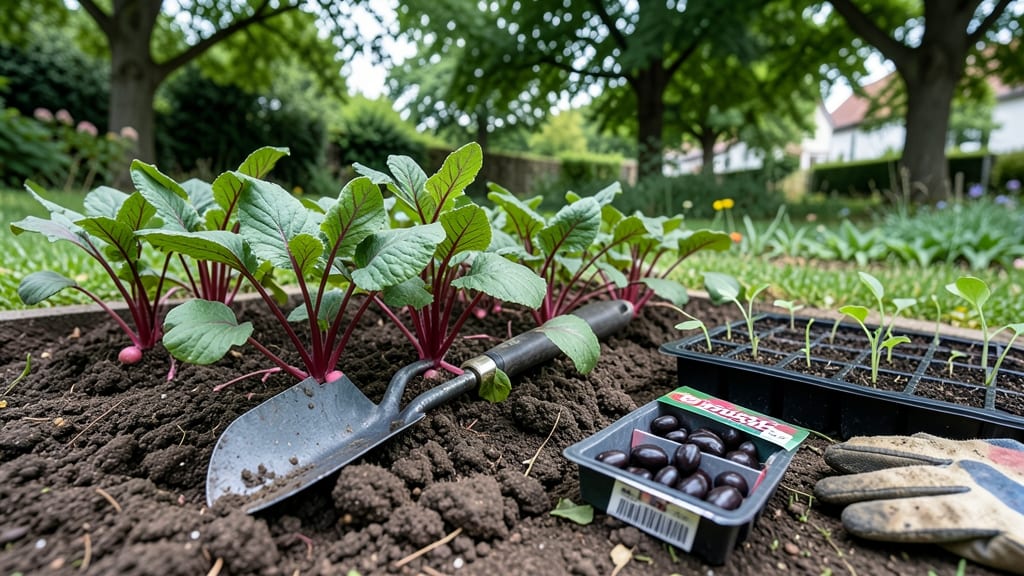
Timing your 🥕 beet planting in Southern California isn’t just about picking a month—it’s about outsmarting the climate to avoid bitter, woody roots or premature bolting. With 9b-11 zones and year-round growing potential, the key lies in leveraging cooler seasons while dodging summer’s scorching heat.
Most gardeners swear by September-October for fall plantings, but coastal areas like LA can push it slightly later, while inland zones like Riverside might start earlier to escape the worst heat.
The goal? Beat the 85°F+ threshold that triggers bolting while giving roots time to mature before winter chills set in.
What if you want beets year-round? The secret is succession planting—staggering seeds every 2-3 weeks from late summer through early spring. This keeps your harvest table stocked with tender, sweet 🥕 beets when others are struggling to grow.
Ready to unlock the perfect planting schedule for your microclimate? Let’s break down the exact months, heat-tolerant varieties, and soil tricks that’ll turn your garden into a beet-growing powerhouse—no guesswork required.
Southern California microclimates: best planting months by region for zero-bolt beets
Southern California’s diverse microclimates mean your beet planting schedule depends heavily on where you live. Coastal areas like San Diego and Santa Barbara enjoy milder winters, while inland zones like Riverside and San Bernardino experience hotter summers.
Desert regions, such as Palm Springs, require entirely different timing to avoid heat stress and bolting.
For coastal zones, aim for fall planting between September and October to harvest before winter rains. Inland areas can start slightly earlier—mid-August to early September—while desert gardeners should wait until late September or October to escape summer’s 100°F+ temperatures.
Spring planting is also viable, but timing is critical. February to March works for most regions, but desert areas should push this to March or April to avoid early-season heat. Succession planting every 2-3 weeks ensures a continuous harvest through May or June.
| Region | Best Planting Months | Harvest Window | Key Tips |
|---|---|---|---|
| Coastal (LA, San Diego) | Sep-Oct (fall), Feb-Mar (spring) | Dec-Jan (fall), May-Jun (spring) | Use shade cloth in summer; detroit dark red variety thrives. |
| Inland (Riverside, SB) | Aug-Sep (fall), Mar-Apr (spring) | Nov-Dec (fall), Jun-Jul (spring) | Plant heat-tolerant 'Boltardy' for summer; mulch heavily. |
| Desert (Palm Springs) | Late Sep-Oct (fall), Mar-Apr (spring) | Dec-Jan (fall), May-Jun (spring) | Avoid summer planting; drip irrigation essential. |
If you’re in a transition zone (e.g., Orange County or Ventura), split the difference: plant half in September and half in February for staggered harvests. Soil temperature is your best guide—wait until it drops below 80°F for fall planting or rises above 50°F in spring.
For summer harvests, focus on heat-tolerant varieties like 'Cylindra' or 'Chioggia'. These can handle 90°F+ days if given afternoon shade and consistent watering. Start seeds indoors in late July and transplant in early August for a late-summer crop.
Always test your soil pH (aim for 6.0-7.0compost before planting. Well-draining soil prevents rot, while organic matter improves moisture retention—a must in Southern California’s drought-prone climate.
Pro tip: Use a soil thermometer to monitor temperatures. Beets thrive when soil stays between 50°F and 75°F. If it’s hotter, opt for shade cloth or row covers to protect seedlings.
Remember, succession planting is your secret weapon. By sowing new seeds every 2 weeks, you’ll enjoy fresh beets from fall through spring—even in the desert! 🥕
Southern California microclimates: best planting months by region for zero-bolt beets
Southern California’s diverse microclimates—from coastal breezes to inland heat—mean your beet planting schedule should vary by location. Coastal areas like Los Angeles and San Diego enjoy milder winters, while inland zones like Riverside or Palm Springs face intense summer heat.
Understanding these differences helps you avoid premature bolting and maximize harvests.
For coastal regions (USDA zones 9b-10), the ideal planting window spans from late August to October. This timing lets you harvest before winter rains arrive. In contrast, inland valleys (zones 10a-11) should focus on fall (September-October) and early spring (February-March) to escape summer’s scorching temperatures.
Desert areas (e.g., Palm Springs, zone 11) can attempt summer planting with heat-tolerant varieties like ‘Burpee’s Golden’ or ‘Detroit Dark Red,’ but only with shade cloth and consistent watering. These regions risk bolting if soil temperatures exceed 85°F.
| Region | Best Planting Months | Heat-Tolerant Varieties | Harvest Window |
|---|---|---|---|
| Coastal (LA, San Diego) | Late August–October | ‘Chioggia’, ‘Detroit Dark Red’ | December–February |
| Inland (Riverside, San Bernardino) | September–October, February–March | ‘Burpee’s Golden’, ‘Lutz Winterkeeper’ | November–January, May–June |
| Desert (Palm Springs) | February–March (only) | ‘Detroit Dark Red’ (with shade) | May–June |
If you’re in transition zones (e.g., Orange County or Ventura), split your planting between late summer and fall to stagger harvests. For example, sow half your seeds in August and the rest in September—this ensures a continuous supply without overcrowding your garden.
Pro tip: Use row covers in cooler coastal areas during winter to protect young seedlings from unexpected light frosts (though rare, they can occur in Santa Barbara or Big Sur). Inland gardeners should prioritize soil moisture and mulching to keep roots cool during summer’s peak heat.
Timing isn’t just about months—it’s about soil temperatures. Aim for 60–70°F soil temps at planting depth (2 inches). Use a soil thermometer to check before sowing, especially in desert zones where daytime heat can spike to 90°F+ even in spring.