
Plants
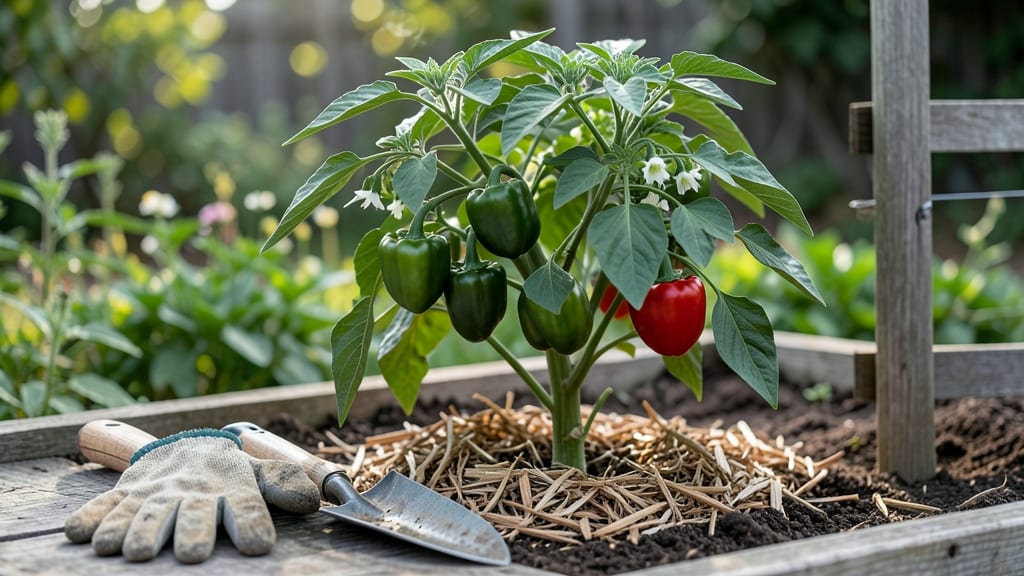
Timing your bell pepper planting in Oklahoma can mean the difference between a bumper crop and a wasted season—get it wrong, and frost or scorching heat will steal your harvest before it even starts. With Oklahoma’s USDA Zones 6-8 bringing unpredictable swings from chilly springs to brutal summers, knowing the exact window to plant your 🌶️ peppers is the key to success.
You’ve probably heard the generic advice to wait until after the last frost, but in Oklahoma, that’s not enough. The real secret lies in soil temperature—bell peppers need 60-65°F soil to thrive, and waiting for the air to warm up won’t cut it.
I’ll show you how to track local microclimates and use heat-loving varieties to maximize your growing window, even when the forecast calls for another late freeze.
Whether you’re starting seeds indoors in March or transplanting seedlings in May**, the right move depends on where you live in the state.
I’ll break down the best strategies for each zone, including how to extend your season with row covers and succession planting—so you can keep enjoying fresh peppers well into fall.
Let’s cut through the guesswork and get your peppers growing strong, no matter what Oklahoma’s weather throws at you. Ready to turn your garden into a pepper powerhouse?
Oklahoma heat-Zone planting calendar for bell peppers by region
Oklahoma’s USDA Hardiness Zones 6-8 create unique challenges for bell pepper growers. Unlike frost-sensitive tomatoes, peppers thrive in warm soil (above 60°F) and struggle with cool nights. Timing your plantings to match your local microclimate is key to avoiding stunted growth or failed crops.
Most Oklahoma gardeners fall into three broad regions: Northern (Zone 6), Central (Zone 7), and Southern (Zone 8). Each has distinct last frost dates and heat tolerance considerations.
For example, Tulsa (Zone 7a) averages its last frost around April 15, while Oklahoma City (Zone 7b) sees frost-free soil by April 1—a critical difference for seed-starting schedules.
Bell peppers need 90-120 frost-free days to mature, so planting too late risks over-mature fruit before Oklahoma’s first fall frosts (mid-October). Conversely, planting too early exposes seedlings to soil-borne diseases in damp spring conditions. Balance is everything.
For Northern Oklahoma (Zone 6), start indoor seeds by March 1 to transplant after May 15, when soil temps stabilize. Central gardeners can begin direct sowing as early as April 20 if using row covers for nighttime protection.
Southern Oklahoma’s milder winters allow earlier direct sowing (March 20), but heat-tolerant varieties like ‘Aristotle’ or ‘Carmen’ perform best in Zone 8’s summer heat.
Always verify your exact last frost date using the Oklahoma Mesonet or USDA Plant Hardiness Map. Microclimates—like urban heat islands or elevated garden beds—can shift your ideal planting window by 1-2 weeks.
For example, Lawton (Zone 7b) often warms faster than Norman (Zone 7a), despite being closer.
If you’re seed-starting indoors, aim for 8-10 week seedlings before transplanting.
Use grow lights to prevent leggy seedlings, and harden off plants for 7-10 days before moving them outdoors. Transplant shock is a major killer of young peppers, so water deeply the day before and after moving them to the garden.
For direct sowing, wait until soil temperatures consistently reach 65°F+ (use a soil thermometer to check). In Oklahoma’s unpredictable springs, a 3-5 day cold snap can delay planting by weeks. Always have a backup plan, like row covers or a greenhouse, to protect young plants.
Pro tip: Succession plant every 2-3 weeks until June 15 to ensure a continuous harvest. Oklahoma’s summer heat can cause peppers to bolt (flower prematurely), so shade cloth (30-50%) during 100°F+ days preserves fruit quality.
Varieties like ‘NuMex Heritage’ handle heat better than ‘Bell Boy’, which may stop producing when temps exceed 90°F.
Remember: Peppers are warm-season crops, and Oklahoma’s summer heat is their friend—but only if you’ve planted at the right time.
Rushing the process leads to poor germination, while waiting too long shortens your harvest window. Plan ahead, monitor your local forecasts, and adjust as needed to maximize your pepper yield! 🌶️
Oklahoma heat-Zone planting calendar for bell peppers by region
Oklahoma spans USDA Hardiness Zones 6-8, meaning your last frost dates can vary dramatically—from late March in southern zones to mid-April in northern areas. Bell peppers (Capsicum annuum) thrive in warm soil (70°F+) and won’t tolerate frost, so timing is everything.
Let’s break down the ideal planting windows for each region to maximize your harvest.
For Northern Oklahoma (Zones 6-7), like Oklahoma City, aim to plant seedlings after May 1 when soil temps consistently hit 65°F+.
In Southern Oklahoma (Zones 7b-8a), such as Tulsa or Lawton, you can start transplanting as early as mid-April—but always wait until nighttime temps stay above 55°F. Starting seeds indoors 8-10 weeks before your last frost date gives you a head start.
| Region | USDA Zone | Last Frost Date | Best Planting Window | Soil Temp Threshold |
|---|---|---|---|---|
| Northern OK (Oklahoma City) | 6-7 | April 15-May 1 | May 15-June 1 | 70°F+ |
| Central OK (Tulsa) | 7a-7b | April 1-May 1 | April 20-May 15 | 68°F+ |
| Southern OK (Lawton) | 7b-8a | March 15-April 1 | April 1-May 1 | 65°F+ |
Pro tip: Use a soil thermometer to confirm readiness—bell peppers won’t germinate well in cold soil. If your area experiences late frosts, opt for heat-tolerant varieties like ‘Carolina Wonder’ or ‘Jupiter’, which handle Oklahoma’s 90°F+ summers better than standard types.
These varieties also resist blossom-end rot, a common issue in fluctuating heat.
For succession planting, sow new seeds every 2-3 weeks after your initial planting date. This ensures a continuous harvest through September-October, when Oklahoma’s summer heat starts to ease. Just remember: Never plant after July 1—peppers need 75-90 days to mature, and late starts won’t yield before frost.
Monitor local weather forecasts and adjust your timeline if late frosts or heatwaves are predicted. For example, if a 50°F night is forecasted after planting, cover seedlings with row fabric to protect them. Oklahoma’s unpredictable spring weather demands flexibility—stay ready to adapt!
🌱