
Plants
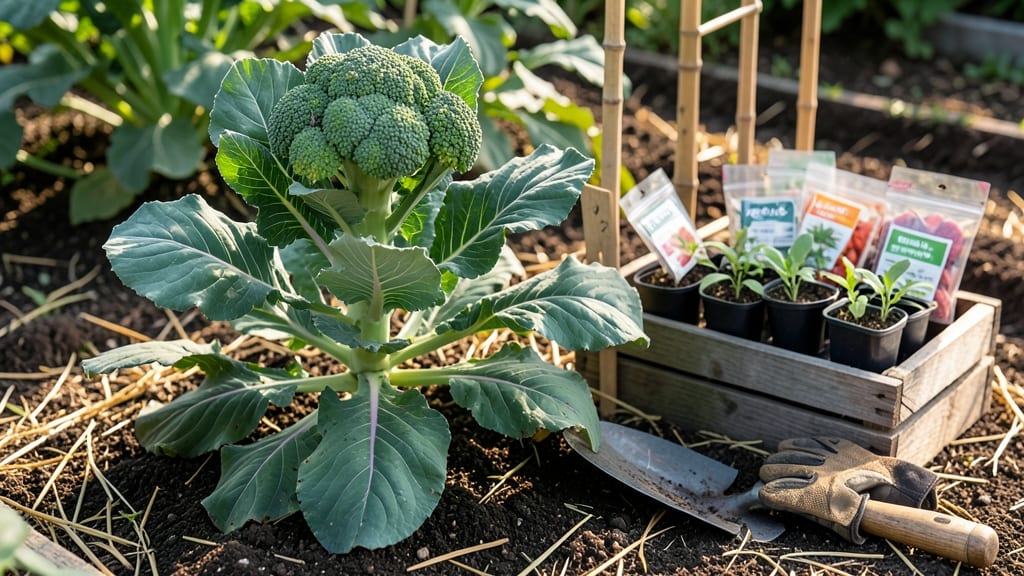
Knowing when to plant fall crops in Zone 7 could mean the difference between a thriving garden and wasted effort—especially when the clock is ticking toward frost.
With the right timing, you can enjoy fresh greens, root vegetables, and herbs well into winter, but get it wrong, and you’ll end up with bitter lettuce or bolted radishes before they even mature.
Fall planting in Zone 7 isn’t just about dates—it’s about reading your soil and the sky.
The key is planting 4-6 weeks before the first frost, which typically lands between mid-October and November, depending on whether you’re in 7a or 7b. But here’s the catch: soil temperatures matter just as much as calendar dates.
Too warm, and your cool-season crops will bolt; too cool, and they’ll languish.
I’ve spent years perfecting my fall garden, and what I’m about to share will help you avoid common pitfalls—like planting too early or ignoring regional microclimates.
Whether you’re a beginner or a seasoned gardener, these insights will give you the confidence to time your 🍂 fall crops just right for a harvest that lasts.
Ready to unlock the secrets? Let’s break down the exact windows, soil prep, and crop-specific strategies that will keep your garden productive well past summer’s end.
Zone 7 fall planting timeline: soil temperature & frost date guide
Timing is everything when planting fall crops in Zone 7. The difference between a thriving harvest and a bolted mess often comes down to understanding your soil temperatures and first frost dates.
In Zone 7, the average first frost arrives between October 15 and November 15, depending on your specific sub-zone (7a vs. 7b). This window creates a 120-150 day growing season for cool-season crops.
For successful fall planting, aim to sow seeds or transplant seedlings 4-6 weeks before your expected frost date. This timing ensures your crops mature before temperatures drop below 20°F, which can damage or kill most vegetables.
Soil temperatures also play a critical role—most fall crops thrive when soil stays between 50°F and 85°F during germination and early growth.
Here’s how to align your planting schedule with these key factors for a productive fall garden:
| Planting Window | Soil Temp Range | Ideal Crops | Frost Protection |
|---|---|---|---|
| Late July - Early August | 75°F - 85°F | Broccoli, Cauliflower, Kale | None (warm soil) |
| Mid-August - Early September | 65°F - 75°F | Spinach, Lettuce, Radishes | Light row cover |
| Late September - Early October | 50°F - 65°F | Carrots, Beets, Peas | Cold frame or mulch |
| October (after frost risk) | 40°F - 50°F | Garlic, Onions, Hardened greens | Heavy mulch |
For Zone 7a (colder sub-zone), shift all planting dates 1-2 weeks earlier to account for the earlier frost. Conversely, Zone 7b gardeners can extend planting by 1 week later. Always check your local USDA frost calendar for precise dates—microclimates can vary significantly even within the same zone.
Start by planting heat-tolerant crops first, like broccoli and kale, in late July when soil is still warm. These crops handle the transition to cooler temperatures better than delicate greens.
By mid-August, switch to spinach, lettuce, and radishes, which prefer slightly cooler soil. Save peas and carrots for late September to early October when soil temperatures drop below 70°F.
Pro tip: Use a soil thermometer to monitor temperatures before planting. Most seed packets list ideal soil temps for germination—don’t plant until your soil matches these guidelines. For example, carrots need soil between 50°F and 70°F, while spinach thrives in 45°F to 65°F soil.
If you’re unsure about your exact frost date, err on the side of caution and plant 6 weeks before the average first frost. This buffer accounts for unexpected early frosts or slower-growing plants.
For example, if your frost date is November 1, aim to have seedlings in the ground by September 15.
Don’t forget to prepare your soil before planting. Fall crops benefit from well-draining, nutrient-rich soil. Amend your beds with compost or aged manure 2-3 weeks before planting to give microbes time to break it down. A pH of 6.0-7.0 is ideal for most cool-season vegetables.
For a continuous harvest, practice succession planting. Sow small batches of fast-growing crops like radishes or lettuce every 2-3 weeks from August through September. This ensures you’ll have fresh produce ready to harvest at different stages, even as temperatures drop.
Finally, keep an eye on your local weather forecast in the weeks leading up to frost. If a cold snap is predicted, protect tender crops with row covers or cold frames.
With the right timing and a little preparation, your fall garden in Zone 7 can be just as productive as your spring planting!
Zone 7 fall planting timeline: soil temperature & frost date guide
Fall gardening in Zone 7 hinges on two critical factors: soil temperature and first frost dates. Unlike spring, cool-season crops thrive when soil cools below 85°F—typically by late summer.
For most of Zone 7, the average first frost arrives between October 15 and November 15, but microclimates can shift this by weeks.
To maximize your harvest, aim to plant 4-6 weeks before frost. This window ensures crops like kale and spinach mature before hard freezes. For example, if frost hits November 1, start seeds or transplants by mid-September.
Warmer Zone 7b areas (like Raleigh) may push this to early October, while cooler Zone 7a (like Lexington) should plant earlier.
Soil temperature is your best early indicator. Use a soil thermometer to confirm temps between 50-75°F—ideal for cool-season crops. If your soil stays above 80°F past August, wait or use shade cloth to protect young plants from heat stress.
| Crop | Planting Window | Soil Temp | Days to Harvest |
|---|---|---|---|
| Leafy Greens (Spinach, Lettuce) | Mid-August - Early Sept | 50-65°F | 30-50 days |
| Brassicas (Broccoli, Kale) | Late July - Mid-Sept | 55-70°F | 50-70 days |
| Root Crops (Carrots, Beets) | Early Aug - Late Sept | 50-75°F | 60-80 days |
| Peas, Radishes | Late Aug - Early Oct | 45-60°F | 25-45 days |
Pro tip: Succession planting is your secret weapon. For fast growers like radishes or bush beans, sow new seeds every 2 weeks until mid-September. This stretches your harvest window and prevents gluts. Just stop planting 6 weeks before frost—most cool-season crops won’t survive a hard freeze.
Don’t overlook microclimates in your yard. South-facing beds warm up faster and may support later plantings. Conversely, low-lying areas or shaded spots can experience frost 2-3 weeks earlier. Test your space by placing a frost-sensitive plant (like basil) in suspect areas—if it dies overnight, that spot freezes sooner.
For Zone 7b gardeners, you can sometimes push boundaries. Hardy crops like cabbage or swiss chard might tolerate light frosts, but always check your local frost date averages (your county extension office is a goldmine for this data).
When in doubt, err on the side of earlier planting—you can always use row covers to extend the season later.