
Plants
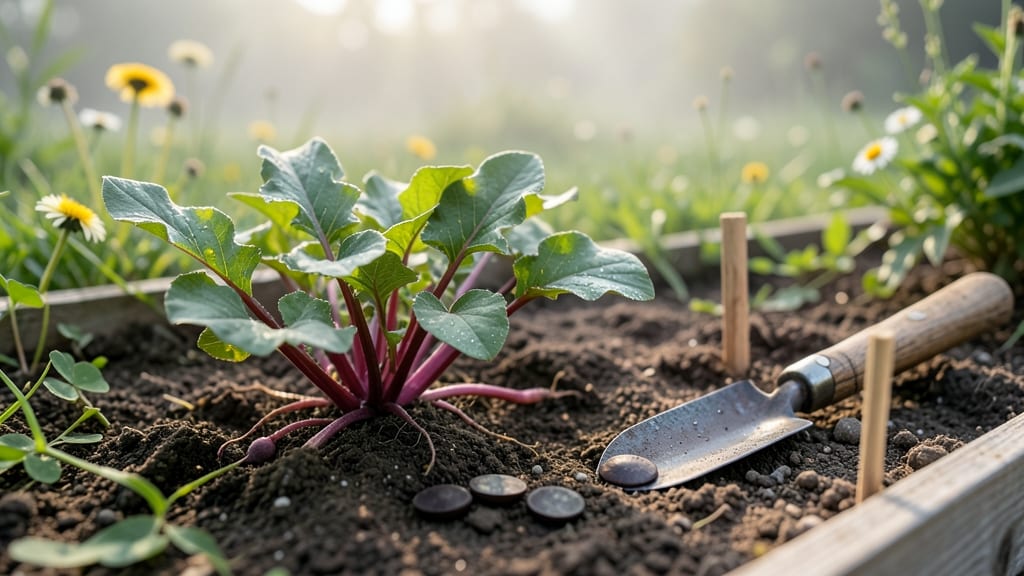
Timing your beet planting in Zone 9 can make or break your harvest—especially when summer heat turns your garden into a sauna. Unlike cooler climates, Zone 9’s 9b conditions demand a strategic approach to avoid bolting or stunted growth, even with heat-resistant varieties like Detroit Dark Red.
Most gardeners in Phoenix or Southern California deserts swear by late summer to early spring plantings, but the key is avoiding those brutal June-August months when soil temperatures can fry seedlings before they sprout.
With the right variety and a few simple tricks, you can enjoy crisp, sweet 🍠 beets year-round—no frost worries here!
In this guide, I’ll break down the exact months to plant for maximum yield, which heat-tolerant varieties perform best, and how to use shade cloth or mulch to extend your growing season.
Whether you’re a first-time gardener or a seasoned pro, these tips will help you skip the common mistakes that lead to bitter or misshapen roots.
Ready to master beet-growing in Zone 9? Let’s dive into the perfect planting schedule, from soil prep to harvest timing, so you can enjoy homegrown beets spring to fall—without the stress.
Best planting months for beets in Zone 9 (with heat tolerance tips)
Zone 9’s hot summers and mild winters create unique challenges for growing beets. Unlike cooler climates, you’ll want to avoid planting during peak heat (June–August) when seedlings bolt or fail to germinate. Instead, focus on fall, winter, and spring windows when temperatures stay below 85°F.
Beets thrive best when soil temperatures hover between 50°F–75°F. In Zone 9, this typically means planting in September through March. Coastal areas (like San Diego) can extend this window slightly, while inland deserts (like Phoenix) may need earlier starts to avoid summer heat.
Your two best planting windows are:
- Fall (September–October): Ideal for cool-season growth before winter rains.
- Early spring (February–March): Perfect for avoiding summer’s extreme heat.
Zone 9 Beet Planting Timeline
| Month | Soil Temp (°F) | Planting Window | Heat Risk | Success Tip |
|---|---|---|---|---|
| September | 70–78°F | ✅ Best time | Low | Use shade cloth if temps exceed 80°F |
| October | 65–72°F | ✅ Best time | Low | Mulch to retain moisture |
| November | 60–68°F | ✅ Good time | None | Protect from cold snaps |
| December | 55–65°F | ✅ Good time | None | Use row covers for frost |
| January | 50–60°F | ✅ Good time | None | Plant in raised beds for warmth |
| February | 55–65°F | ✅ Best time | Low | Start succession plantings |
| March | 60–70°F | ✅ Best time | Moderate | Avoid midday sun exposure |
| April | 70–80°F | ⚠️ Risky (late) | Moderate | Use shade cloth for seedlings |
| May–August | 85°F+ | ❌ Avoid | High | Bolting risk; skip planting |
For coastal Zone 9 (like Santa Barbara or San Diego), you can push planting into late April thanks to cooler ocean breezes. Inland areas (like Phoenix or Palm Springs) should stop by mid-March to prevent heat stress.
Always check your local microclimate. Urban areas with concrete heat islands may need to plant even earlier than rural spots. Use a soil thermometer to confirm temperatures before sowing—below 85°F is ideal for germination.
If you’re eager for a summer harvest, try shade-cloth-covered beds in June for quick-growing varieties like ‘Early Wonder Tall Top’. Just be prepared to harvest within 45–50 days before bolting sets in.
Pro tip: Direct-sow seeds rather than transplanting. Beet seedlings hate root disturbance, and Zone 9’s heat makes them even more sensitive. Plant seeds ½ inch deep and keep soil moist until sprouts appear (usually 7–14 days).
🌱
Best planting months for beets in Zone 9 (with heat tolerance tips)
Zone 9’s hot summers and mild winters create unique challenges for beet growers. Unlike cooler climates, you can’t plant beets year-round—timing is everything to avoid bolting (premature flowering) or stunted growth.
The key is to sow seeds when soil temperatures stay below 80°F and daytime highs don’t exceed 90°F for prolonged periods.
In Zone 9, the ideal planting window spans from late summer to early spring. This avoids the peak heat stress of June–August while still allowing time for roots to mature before winter.
Coastal areas (like San Diego) may have slightly cooler microclimates, while inland deserts (like Phoenix) require even more caution during summer sowing attempts.
🌱 Summary Table: Best Planting Months for Zone 9 Beets
| Month | Soil Temp (°F) | Daytime High (°F) | Planting Strategy | Heat Risk |
|---|---|---|---|---|
| August | 75–80°F | 95–105°F | Late August (coastal) | High (use shade) |
| September | 70–78°F | 90–100°F | Best for inland | Moderate (evenings cooler) |
| October | 65–75°F | 80–90°F | Prime time | Low |
| November | 60–70°F | 75–85°F | Successive sowings | None |
| February | 60–70°F | 70–80°F | Spring restart | None |
| March–April | 65–75°F | 80–90°F | Peak harvest | Low (morning shade) |
For coastal Zone 9 gardens (e.g., Santa Barbara), you can push sowing into early September thanks to ocean breezes that moderate temperatures. Inland areas should wait until mid-September or later to avoid heat stress.
A simple trick? Test soil temperature with a soil thermometer—aim for 65–75°F at planting time for optimal germination.
If you’re tempted to plant in June or July, use shade cloth (30–50%) and drip irrigation to protect seedlings. However, expect slower growth and smaller roots.
For year-round harvests, stagger plantings every 2–3 weeks from September through March. This ensures a steady supply of tender beets without gaps in your garden.
Remember: Beets are cool-season crops at heart. While they tolerate mild Zone 9 winters, they’ll bolt quickly if exposed to consistent 90°F+ days. Prioritize evening watering and mulching to keep roots cool and soil moist—this is your best defense against summer stress.