
Plants
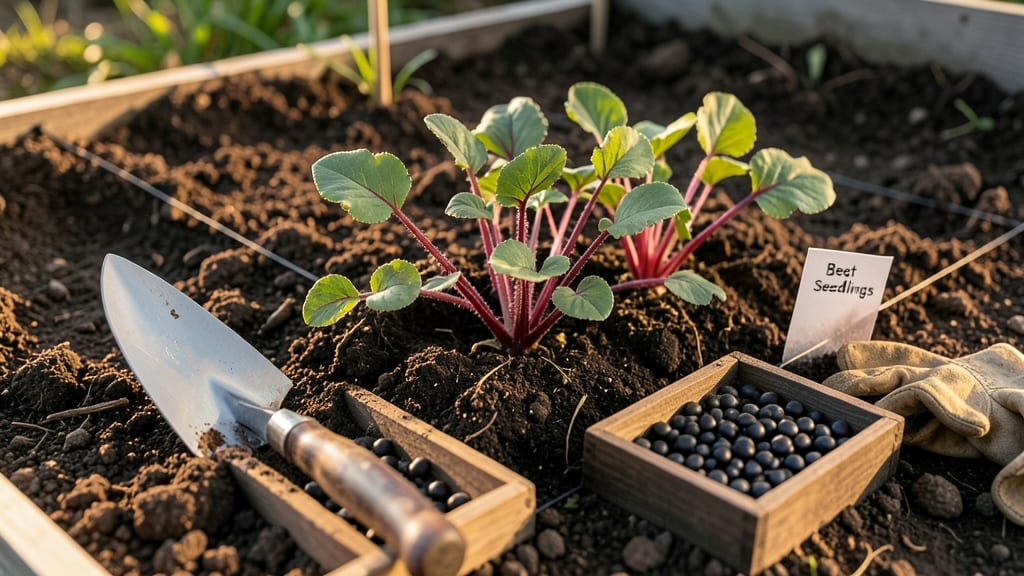
Timing your beet seed planting in Zone 6 isn’t just about the calendar—it’s about catching that sweet spot when soil temperatures and daylight align for fast germination and sweet harvests. Skip the guesswork, and you could end up with slow-starting seeds or bitter roots that never quite reach their potential.
I’ve learned the hard way that planting 🍠 beet seeds too early in Zone 6’s chilly springs can leave them sitting in cold soil, while waiting too long risks bolting before you even taste your first harvest.
The key? Understanding when your soil warms up enough to trigger those little seeds into action—without sacrificing flavor or yield.
In this guide, I’ll break down the exact windows for planting beets in Zone 6, from early spring to late summer, plus pro tips to stretch your harvest season.
Whether you’re a first-time gardener or a seasoned green thumb, these insights will help you grow beets that are tender, sweet, and ready to harvest in record time.
Ready to turn your garden into a beet bonanza? Let’s dive into the soil temp triggers and planting schedules that actually work for Zone 6’s unpredictable climate.
Optimal soil temperature and planting windows for beets in Zone 6
Beets are cool-season crops that thrive in Zone 6’s mild springs and late summers, but timing is everything. Planting too early in cold soil or too late in summer heat can lead to slow germination or bolting (premature flowering).
The ideal soil temperature range for beet seeds is 45°F–85°F, with 50°F–75°F being perfect for germination.
In Zone 6, your best planting windows are early spring (March–April) and late summer (July–August). Early spring plantings give you a harvest by summer, while late summer plantings mature just before frost.
Avoid planting in peak summer heat (June) or when soil temperatures exceed 85°F, as this stresses seedlings.
Soil temperature is more critical than air temperature for beets. Use a soil thermometer to confirm readiness—wait until the soil reaches at least 50°F before sowing. In Zone 6, this typically aligns with 2–4 weeks after your last frost date (around mid-April for most areas).
For early spring plantings, start seeds indoors 4–6 weeks before your last frost (early March in Zone 6) to get a jump on the season.
Harden off seedlings before transplanting outdoors once soil warms. Alternatively, direct-sow seeds outdoors as soon as the soil is workable, usually by late March.
Late summer plantings should occur 8–10 weeks before your first frost (early August in Zone 6). This ensures beets mature before fall frosts hit in mid-October. Choose heat-tolerant varieties like ‘Detroit Dark Red’ or ‘Golden’ for better success in warm soil.
| Planting Window | Soil Temp Range | Zone 6 Timing | Harvest Window |
|---|---|---|---|
| Early Spring | 50°F–75°F | Late March–April | June–July |
| Late Summer | 60°F–80°F | July–August | October–November |
| Avoid | Below 45°F or above 85°F | Early Feb or June | Poor germination or bolting |
If you’re new to beet growing, test your soil temperature before planting. Bury your soil thermometer 2 inches deep (the depth you’ll plant seeds) and wait 30 minutes for an accurate reading. Inconsistent soil temps can cause uneven germination, so aim for stability in the 50°F–75°F range.
Another key factor is day length. Beets bolt (go to seed) when days get too long, which happens in Zone 6 by late June. To prevent this, plant late summer crops in partial shade or use shade cloth to extend your harvest window.
Varieties like ‘Chioggia’ (striped beets) are less prone to bolting in heat.
For fastest germination, soak seeds overnight before planting. Beet seeds can take 7–21 days to sprout, depending on soil conditions. Keep the seedbed consistently moist (not soggy) until seedlings emerge. Once sprouted, thin seedlings to 3–4 inches apart to prevent competition and ensure large, tender roots.
Remember, succession planting is your secret weapon for a continuous harvest. Plant new seeds every 2–3 weeks during your optimal windows to enjoy fresh beets all season. With the right timing and care, you’ll avoid bitter, woody roots and enjoy sweet, tender beets straight from your Zone 6 garden!
Optimal soil temperature and planting windows for beets in Zone 6
Beet seeds need consistent soil temperatures between 45°F and 85°F to germinate reliably. In Zone 6, this means waiting until after the last frost—typically mid-April—but not so late that summer heat triggers bolting.
The ideal window spans early spring (March-April) and late summer (July-August), aligning with soil warmth and daylight changes.
For spring plantings, aim for when soil temps hit 50°F+ consistently. Use a soil thermometer if unsure—cold soil delays germination by weeks. In late summer, plant 8–10 weeks before first frost (mid-October in Zone 6) to ensure mature roots before cold sets in.
Here’s the breakdown of critical planting windows and soil conditions:
| Planting Window | Soil Temp | Zone 6 Timing | Notes |
|---|---|---|---|
| Early Spring | 50°F–65°F | March–April | Wait for soil to warm post-frost; use row covers if nights are chilly. |
| Late Summer | 60°F–85°F | July–August | Plant 8–10 weeks before first frost; avoid bolting with shade cloth. |
Pro tip: Use cold-hardy varieties like ‘Detroit Dark Red’ for early spring or ‘Chioggia’ for late summer. These tolerate wider temperature swings and still deliver sweet, tender roots.
If your soil stays below 50°F for weeks, pre-sprout seeds indoors (6–8 weeks before transplanting) or use a seedling heat mat to jumpstart germination. Just avoid transplanting shocked seedlings—beets hate root disturbance!
For consistent harvests, pair early and late plantings with succession sowing every 2–3 weeks during both windows. This ensures fresh beets from June through October in Zone 6.