
Plants
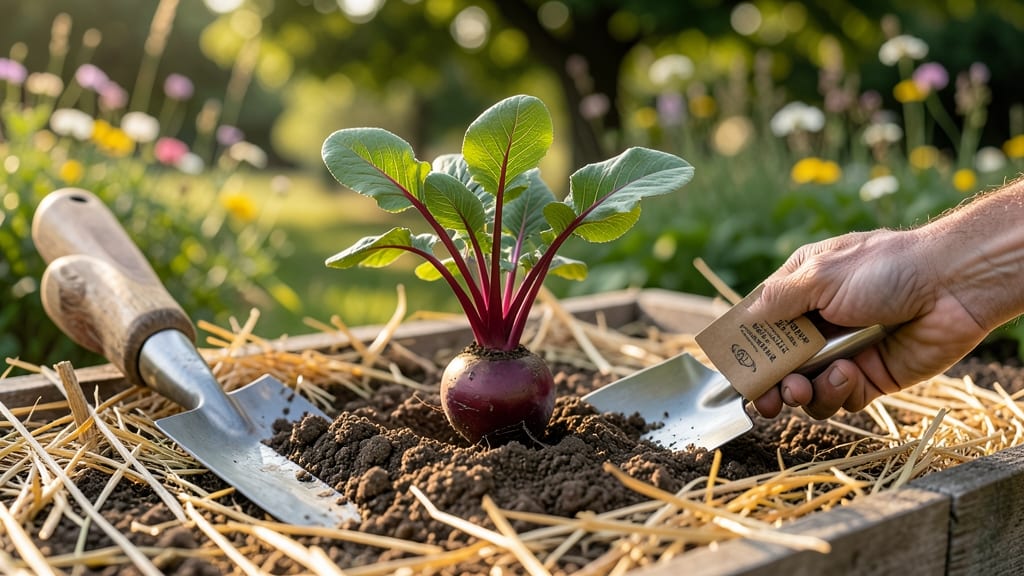
Timing your fall beet planting is the key to a sweet, abundant harvest—because those earthy 🥕 roots taste their best when grown in cooler weather. Plant too early, and summer’s heat will stress your seedlings; too late, and frost steals your hard work.
The secret? Start 4-6 weeks before your first frost, when soil temps drop into that sweet spot of 50°F-70°F—just right for germination.
If you’re in USDA Zone 6a (like me!), that means late August or early September is your window—just enough time for beets to mature before winter sets in.
But don’t guess: check your local frost dates and count backward. Even a 2-week shift can mean the difference between a thriving garden and a sad, stunted harvest.
Here’s what you’ll discover: the exact planting schedule for your region, how to prep soil for fall success, and which beet varieties hold up best in cooler weather.
Whether you’re a first-time gardener or a seasoned pro, these tips will help you grow beets that are sweeter, hardier, and ready to pull just as the first frost arrives.
Ready to turn your fall garden into a beet bonanza? Let’s break it down step by step—so you can enjoy homegrown harvests from October through November.
Fall beet planting timeline by region: exact weeks before frost
Timing your fall beet planting is the secret to avoiding heat stress or frost damage. Beets thrive in cool weather, so aim to plant 4-6 weeks before your first frost.
This gives them enough time to mature before temperatures drop below 20°F, which can ruin your harvest. Let’s break down the exact windows for your region.
Your USDA hardiness zone determines your ideal planting date. For example, gardeners in Zone 3 (like Minnesota) should start in early August, while those in Zone 10 (like Southern California) can plant as late as mid-October.
The key is to calculate your frost-free days and work backward from your beet’s 55-70 day harvest window.
Use this rule of thumb: Subtract 4-6 weeks from your first frost date to find your planting window. For instance, if frost hits October 15, plant between September 1-15. Adjust for early or late frosts by checking your local historical weather data or using a frost calculator.
Here’s how to adjust for Northern vs. Southern climates:
| Region | USDA Zones | Planting Window | Notes |
|---|---|---|---|
| Northern (Cool Climates) | 3-6 | Early August - Mid-September | Plant 4-5 weeks before frost; use row covers for extended harvest. |
| Midwest (Moderate Climates) | 7-8 | Late July - Early September | Aim for 6 weeks before frost; succession plant every 2 weeks for continuous harvest. |
| Southern (Warm Climates) | 9-10 | Mid-September - Mid-October | Plant 3-4 weeks before frost; avoid summer heat by using shade cloth. |
If you’re in a transition zone (like Zone 7), split your planting into two batches: one in early August and another in early September. This succession planting strategy ensures a steady supply of sweet, tender beets before winter sets in.
For example, my Zone 7 garden yields 3 harvests when planted this way!
Pro tip: Use a planting calendar or app like Old Farmer’s Almanac to track your local frost dates. These tools adjust for microclimates (like urban heat islands) and give you precise dates tailored to your zip code.
I’ve used mine to plant beets 2 weeks later than the general guideline—with perfect results!
For extended harvests, consider using low tunnels or cold frames to protect your beets from early frosts. These simple structures can push your harvest window by 2-4 weeks, giving you time to enjoy fresh beets even in chilly November.
Just ensure the structure allows some airflow to prevent rot or mold.
One common mistake is planting too close to frost, which leads to small, woody beets. Always err on the side of earlier planting—you can always thin seedlings or harvest greens if beets mature too quickly.
My Zone 5 garden plants beets by August 1 every year to avoid this pitfall.
Finally, keep an eye on your soil temperature. Beet seeds need soil between 50°F-70°F to germinate properly. If your soil is too hot (above 80°F), wait until temperatures drop before planting. Use a soil thermometer to check—it’s a $10 tool that saves hours of guesswork!
Soil temperature & seed germination secrets for fall beets
Getting your fall beets off to the right start means understanding soil temperature—it’s the secret weapon for germination. Beet seeds need soil between 50°F and 70°F to sprout reliably. Too hot, and they bolt; too cold, and they rot in the ground. Here’s how to nail the perfect window.
Use a soil thermometer (just $10 at garden centers) to check temps before planting. Stick it in the soil about 2 inches deep—that’s where your seeds will be. If it’s below 50°F, wait a few more days or use a black plastic mulch to warm the soil faster.
⚠️ Common Mistake: Planting too early when soil is still warm from summer. This causes bolting (premature flowering) or stunted growth. Always aim for cool but not frozen conditions—ideal for sweet, tender beets.
🌱 Key Takeaways for Fall Beet Germination
- Soil Temp: 50°F–70°F for best germination
- Depth: Plant seeds ½ inch deep, 1–2 inches apart
- Tools: Use a soil thermometer to avoid guesswork
- Fix Slow Germination: Soak seeds overnight in warm water
- Extend Season: Use row covers or cold frames for extra weeks
If your soil cools too quickly, row covers or cold frames can buy you 2–4 extra weeks of growing time. These lightweight covers trap heat during the day and protect against light frosts. Just remove them during the day to prevent overheating.
Pro tip: Succession planting works well for fall beets. Sow a new batch every 2–3 weeks until 6–8 weeks before frost. This ensures a steady harvest as the season winds down. Just mark your calendar and keep track of those soil temps!
Watch for yellowing leaves or stunted growth—these are signs your soil is too cold. If this happens, add a thick layer of mulch (straw or leaves work great) to insulate the roots and keep them growing until harvest.
With the right soil temperature and a little patience, your fall beets will thrive even as the weather cools. The key? Timing and consistency—just like baking the perfect pie, but way more rewarding. 🥕