
Trees
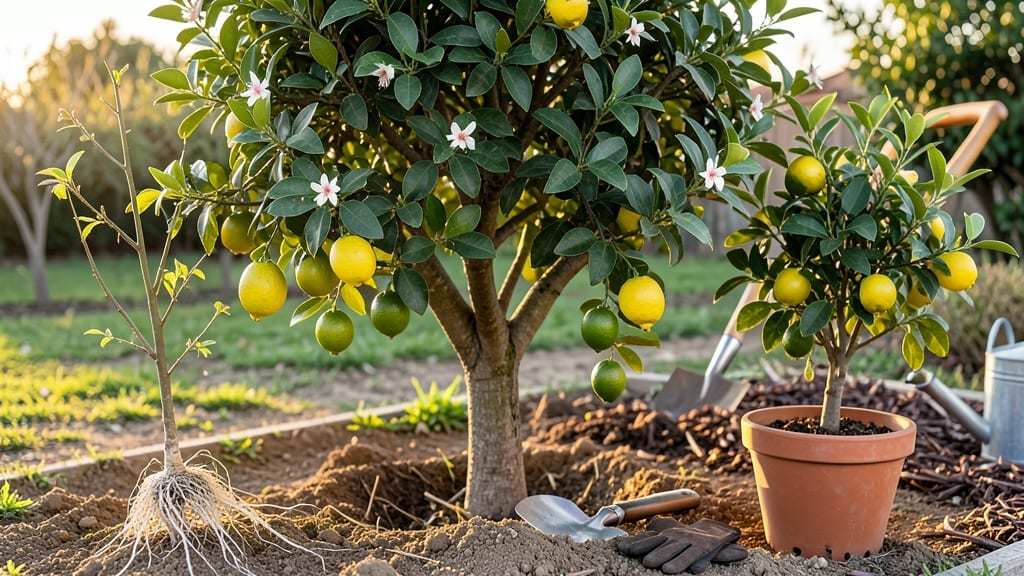
Planting a 🍊 citrus tree in Southern California can feel like a no-brainer—until you realize timing makes all the difference between a thriving orchard and a sad, frost-nipped sapling.
While the region’s frost-free zones (like yours in 9b-11) let you plant year-round, late winter to early spring is actually the best window for strong root growth and fruit production.
Why? Because cooler temperatures reduce stress on young trees, while the coming warmth helps them establish deep roots before summer’s heat kicks in. Skipping this window might mean slower growth or even failure if you’re in a cooler microclimate (like inland valleys).
Let’s break down the exact months to plant—and how to adjust for your specific zone.
You’ll also discover how to prep your soil, pick the right variety (Meyer lemons vs. Valencia oranges?), and avoid common pitfalls like overwatering or poor drainage. Whether you’re planting in the ground or a container, these steps ensure your citrus tree grows faster and produces fruit sooner.
Ready to turn your backyard into a mini orchard? I’ll walk you through every detail—from frost risks (yes, they do happen in some areas) to the most important care tips for long-term success. Let’s get started!
Best months to plant citrus trees in Southern California by microclimate
Southern California’s diverse microclimates mean your citrus tree planting window can vary dramatically—even within a 20-mile radius. Coastal areas like San Diego enjoy mild winters, while inland valleys (think San Fernando Valley) can drop below 32°F during cold snaps.
For optimal root establishment, I recommend planting in late winter to early spring, but let’s break it down by region.
Coastal zones (e.g., Malibu, Santa Barbara) have the longest planting window—you can plant year-round thanks to stable 60-70°F temperatures. Inland areas (like Los Angeles Basin) should aim for December to March, avoiding January’s occasional frost.
Desert regions (e.g., Palm Springs) can plant November to February to escape summer’s 110°F+ heat, which stresses young trees.
Here’s the exact breakdown of when to plant based on your microclimate, including how to adjust for temperature fluctuations and humidity levels:
| Microclimate | Best Planting Months | Temperature Range | Key Considerations |
|---|---|---|---|
| Coastal (e.g., San Diego, Santa Barbara) | Year-round (peak: Dec-Feb) | 60-75°F (mild winters) | Low frost risk; prioritize well-draining soil to prevent salt buildup from ocean spray. |
| Inland Valleys (e.g., LA Basin, San Fernando Valley) | Dec-Mar (avoid Jan frost) | 45-65°F (cold snaps possible) | Use windbreaks and mulch to protect roots; choose frost-tolerant varieties like Satsuma mandarins. |
| Desert (e.g., Palm Springs, Coachella Valley) | Nov-Feb (escape summer heat) | 50-70°F (winter); 110°F+ (summer) | Plant in shade cloth for first 6 weeks; water deeply 2-3x/week to prevent root shock. |
| Container Growing (Anywhere) | Feb-Apr (before heat stress) | 55-80°F (adjust for pot size) | Use fast-draining pots with citrus-specific potting mix; move containers indoors if temps drop below 40°F. |
If you’re in a transition zone (like Orange County), err on the side of earlier planting—say, November—to give roots time to establish before spring heat arrives. Pro tip: Meyer lemons and Calamondins are more frost-tolerant than Valencia oranges, making them better choices for inland areas.
For container-grown citrus, timing matters just as much—plant in February to April to avoid summer’s intense heat, which can burn young leaves. Use 5-gallon pots minimum for dwarf varieties, and always place containers in full sun (6+ hours daily).
Regardless of your microclimate, avoid planting in summer—the heat stress can shock roots and reduce transplant success by up to 40%. Instead, focus on soil prep and watering routines during the off-season to ensure your tree is ready for its ideal planting window.
Once you’ve nailed the timing, the next critical step is preparing your site. This includes testing soil pH (citrus thrives at 6.0-7.0), amending clay soil with compost, and selecting the right variety for your climate.
I’ll cover all of that in the next section—so grab your gardening gloves and let’s get growing!
Critical frost-free zone considerations for citrus tree survival
Southern California’s frost-free zones (USDA 9b-11) make citrus trees seem low-risk—but microclimates like inland valleys or high-elevation areas can still drop below 28°F, killing young trees. Even a single frost event can cause irreversible damage to tender citrus leaves and fruit buds.
For example, the San Joaquin Valley occasionally sees 30°F temps, while coastal areas like San Diego rarely dip below 40°F. If you’re planting in Zone 9b (e.g., Riverside, Bakersfield), choose dwarf varieties like ‘Meyer lemon’ or ‘Calamondin orange’—they recover faster from cold snaps than full-sized trees.
Santa Ana winds also pose a hidden threat. These dry, hot winds can desiccate young trees by rapidly drying soil and leaves. To protect your citrus, plant in windbreaks (like hedges or fences) or use mulch rings to retain moisture. Avoid planting near open fields where winds funnel unobstructed.
⚠️ Frost Alert: How to Check Your Risk
Use the USDA Plant Hardiness Zone Map to confirm your exact zone, then check local weather patterns for 30°F+ dips. Sign up for free alerts from services like Weather Underground or your local Cooperative Extension office.
If you’re in a high-risk zone, plant in containers—they’re easier to move indoors during cold snaps.
Even in frost-free zones, young citrus trees need 3-5 years to mature enough to tolerate brief cold snaps. That’s why I recommend delaying heavy pruning until spring—new growth is more vulnerable to frost damage. Instead, focus on root development by watering deeply but infrequently during the first year.
For container-grown citrus, move pots to a garage or patio if nighttime temps drop below 45°F. Use black plastic mulch around the base to absorb daytime heat and release it slowly. This simple trick can add 5-10°F of protection to roots.
Pro tip: Plant wind-resistant varieties like ‘Satsuma mandarin’ or ‘Yuzu’ if you’re in Zone 9b. Their thicker leaves handle dry winds better than delicate ‘Valencia oranges’. Always monitor your tree’s leaf color—yellowing or curling signals stress from wind or cold.