
Plants
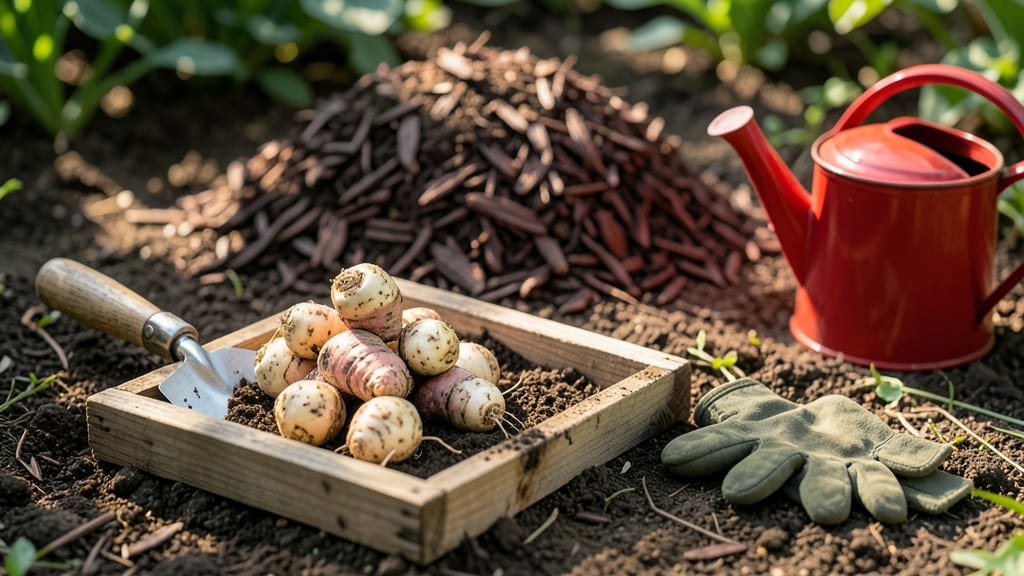
Timing the planting of your caladium bulbs in Texas can make all the difference between lush, vibrant foliage and struggling plants that never quite thrive. These tropical beauties 🌿 need just the right moment to take root before the Texas heat kicks in full force.
If you’ve ever watched your caladiums wilt under the midday sun or struggle to establish roots in cooler weather, you know how critical this timing is. The key lies in waiting until after your last frost—typically March to April—when soil temperatures hit that sweet spot of 60–65°F.
Planting too early risks frost damage, while waiting too long might leave your bulbs fighting the heat.
Don’t worry—this isn’t about memorizing complex charts. Instead, think of it as a simple rule: soil warm enough to touch comfortably and no more frost warnings in the forecast. With the right prep, your caladiums will reward you with stunning, heart-shaped leaves all season long.
Ready to set them up for success? I’ll walk you through exactly what to do once those bulbs hit the ground—from watering tips to mulching hacks—to keep your caladiums thriving in Texas’ unique climate. Let’s get started!
Texas heat zone map: best planting months for caladium bulbs
Timing is everything when planting caladium bulbs in Texas. These tropical beauties demand precision—plant too early, and frost zaps their energy; too late, and summer’s scorching heat burns their delicate foliage.
Texas’ USDA zones 8a-10b create a spectrum of planting windows, from late winter in South Texas to early spring in North Texas.
I’ve grown caladiums across three Texas regions, and the difference in success is night-and-day. In North Texas (zones 8a-8b), wait until mid-April after the last frost (typically February 15).
Meanwhile, Central Texas (zones 8b-9a) gardeners can start as early as late March, while South Texas (zones 9b-10b) enjoys a generous window from February through April.
Don’t rely solely on calendar months—check your local frost dates and soil temperatures. Caladiums need consistent warmth (65–75°F) to thrive. A soil thermometer is your best friend here; if temps dip below 60°F, delay planting until conditions stabilize.
Microclimates matter too. Urban areas like Houston or Dallas often experience "heat islands," where pavement retains heat and warms soil faster. Rural spots may need an extra week or two. Observe nearby azalea or camellia blooms—when they’re in full leaf, it’s likely safe to plant caladiums.
Here’s the golden rule: Plant caladium bulbs in Texas after the last frost date and when nighttime temperatures stay above 55°F. This ensures roots establish before summer’s intensity peaks. In West Texas (zones 8a-8b), where shade is scarce, prioritize partial shade locations to prevent leaf scorch.
| Texas Region | USDA Zone | Last Frost Date | Ideal Planting Window | Soil Temp Requirement |
|---|---|---|---|---|
| North Texas | 8a-8b | Feb 15 | Mid-April | 65°F+ |
| Central Texas | 8b-9a | Jan 31 | Late March | 60°F+ |
| South Texas | 9b-10b | Jan 15 | Feb-Apr | 55°F+ |
| West Texas | 8a-8b | Feb 28 | Early April | 70°F+ |
🌡️ Pro Tip: Use a soil thermometer to confirm readiness—caladiums won’t thrive in cold soil!
If you’re unsure about your exact planting window, use local garden centers as a guide. They often track frost dates and soil conditions. For example, Houston’s Miller’s Garden Center typically recommends planting caladiums by March 15, while Austin’s Natural Gardener suggests waiting until April 1.
Container gardening offers flexibility for late planners. If you miss the ideal window, start caladiums in pots indoors under grow lights, then transplant outdoors after Memorial Day. This extends your planting window by 4–6 weeks without risking frost damage.
Remember, caladiums are not frost-tolerant. Even a light freeze (32°F) can kill emerging shoots. Monitor forecasts via NOAA’s Climate Prediction Center or apps like PlantNet for real-time alerts. When in doubt, wait an extra week—your caladiums will thank you with vibrant, long-lasting foliage.
For container growers, the window is even more forgiving. You can plant 2–4 weeks later than in-ground plantings because containers warm up faster. Just ensure pots have drainage holes to prevent rot in Texas’ humid summers.
Once planted, mulch with 2–3 inches of organic mulch (like pine bark)
Texas heat zone map: best planting months for caladium bulbs
Texas’s extreme climate—from freezing North Texas to sweltering South Texas—means caladium bulbs demand precise timing. Plant too early, and frost zaps tender roots; too late, and summer’s brutal heat scorches leaves before they emerge. The key? Align planting with USDA zones 8a–10b and Texas’s A/B heat zones.
In North Texas (Zones 8a–8b), like Dallas or Fort Worth, wait until mid-to-late April after the last frost (typically around March 15).
South Texas (Zones 9a–10b), including Houston and San Antonio, can plant as early as late February, but avoid direct sun until soil warms to 65°F+.
🌱 Pro Tip: Use a soil thermometer—caladiums thrive when soil hits 65–75°F. In West Texas (e.g., Lubbock), opt for container planting to control soil warmth and moisture.
| Texas Region | USDA Zone | Best Planting Window | Key Cue |
|---|---|---|---|
| North Texas (Dallas/Fort Worth) | 8a–8b | Mid-April | Soil at 65°F+ |
| Central Texas (Austin/San Marcos) | 8b–9a | Late March–Early April | Peach blossoms |
| South Texas (Houston/San Antonio) | 9a–10b | Late February–March | Azalea blooms |
| West Texas (Lubbock/Midland) | 7b–8a | May (containers only) | Night temps >50°F |
Microclimates matter! Urban areas like Houston’s concrete jungles stay warmer than rural farms, so plant 2–3 weeks earlier. Conversely, elevated West Texas gardens may need to delay until May to avoid early heat stress.
🌡️ Watch For: Daytime highs above 90°F—this signals it’s too late for outdoor planting. Move bulbs to shade cloth (30–50%) until soil cools in late summer for a fall rebloom.
After planting, mulch with 2–3 inches of shredded bark to insulate roots and retain moisture. This is critical in Texas’s drought-prone summers, where caladiums can wilt within 48 hours without consistent moisture.