
Flowers
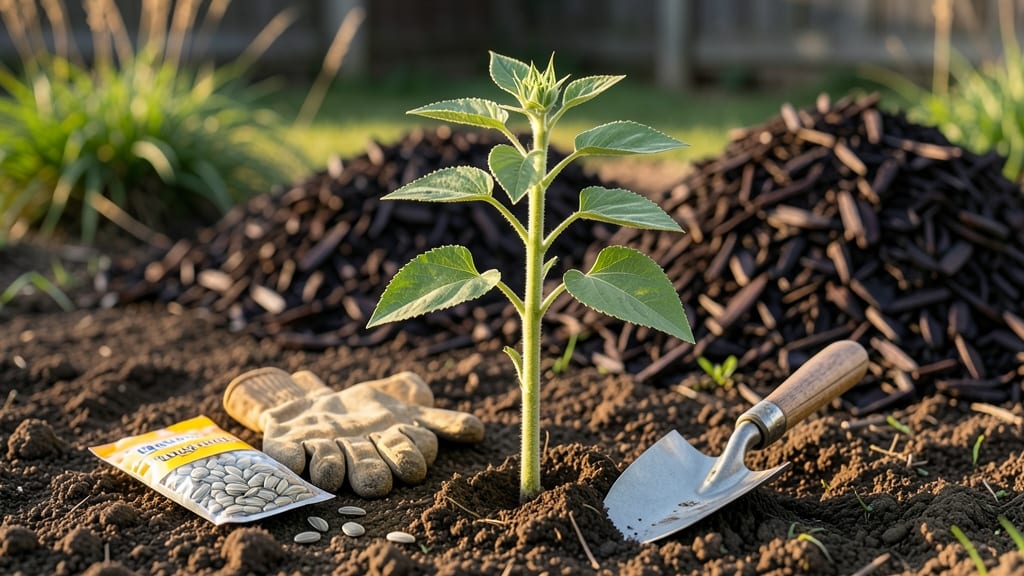
If you’ve ever wondered when to plant sunflowers in Texas for those towering, fence-topping blooms, timing is everything in the Lone Star State’s relentless heat.
Planting sunflowers at the wrong time means watching them bolt in the heat or struggle through late frosts—so knowing the precise window for your region is the key to success.
Texas spans USDA zones 8a-10b, meaning frost dates and heat waves vary wildly from the Panhandle to the Gulf Coast.
Whether you’re in North Texas (where last frost hits in February) or South Texas (where you can plant as late as June), the right timing ensures your sunflowers reach their full 12-foot potential before summer’s peak.
In this guide, I’ll break down the exact months to plant sunflowers in Texas, including heat-tolerant varieties that thrive in 100°F+ temperatures.
You’ll learn whether to start seeds indoors, when to direct-sow after soil warms to 55°F, and how to adjust for regional microclimates—so your sunflowers bloom bigger and stronger than ever.
Ready to grow sunflowers that turn heads? Let’s dive into the planting calendar tailored just for Texas gardeners—no more guesswork, just guaranteed blooms.
Texas sunflower planting calendar: best months by region (North vs. south)
Texas’s diverse climate means sunflower planting times vary dramatically from the Panhandle’s chilly winters to the Gulf Coast’s balmy springs.
In North Texas (USDA Zones 7b-8a), like Lubbock or Amarillo, your last frost typically hits around February 15, giving you a 4-month window to plant sunflowers for summer blooms.
Meanwhile, in South Texas (Zones 9a-10b), such as Corpus Christi or Brownsville, you can start as early as January—or even stretch planting into June for fall flowers.
Central Texas (Austin, San Antonio) falls in-between with March-May as prime months, while the Hill Country’s microclimates may push planting back to April to avoid late spring heatwaves. The key is aligning your planting with soil temperatures of 55°F+—critical for germination—and avoiding 100°F+ days when young seedlings struggle.
Pro Tip: Use a soil thermometer to confirm readiness. In North Texas, wait until mid-April for direct sowing, while South Texas gardeners can start January-February under row covers for early blooms.
🌱 Texas Sunflower Planting Zones Comparison
| Region | USDA Zone | Last Frost | Best Planting Window | Soil Temp for Germination | Heat Risk |
|---|---|---|---|---|---|
| North Texas (Lubbock, Amarillo) | 7b-8a | Feb 15 | Feb 20 - Apr 15 | 55°F+ | Moderate (May-June) |
| Central Texas (Austin, San Antonio) | 8a-8b | Feb 28 | Mar 1 - May 1 | 55°F+ | High (June-Aug) |
| South Texas (Corpus Christi, Brownsville) | 9a-10b | Jan 15 | Jan 15 - Jun 15 | 60°F+ | Extreme (July-Sept) |
| West Texas (El Paso, Midland) | 8a-8b | Feb 1 | Mar 1 - Apr 30 | 55°F+ | Severe (June-July) |
⚠️ Note: Adjust for microclimates (e.g., Hill Country may need 2 weeks later than Austin).
For fall blooms, aim to plant 60-90 days before your first frost. In North Texas, that’s July-August; in South Texas, you can push it to September.
Just beware: late summer heat can stress seedlings, so use shade cloth or plant in partial shade until established.
Texas’s alkaline soil (pH 7.5-8.5) also affects germination. Amend beds with compost or sulfur to lower pH slightly—this helps nutrient uptake during Texas’s intense growing season. I’ve found that raising beds in North Texas improves drainage, while South Texas gardeners benefit from mulching to retain moisture.
One common mistake I see? Planting too early in South Texas and having seedlings rot in humid January soils. Instead, wait until February when daytime temps consistently stay above 65°F. For North Texas, March is ideal—balancing frost risk with soil warmth.
For container growing, start seeds 4-6 weeks before your region’s last frost. Use biodegradable pots to transplant directly into gardens, avoiding root disturbance. I’ve had success with ‘Russian Giant’ in 5-gallon containers—just ensure they’re in full sun and watered daily during heatwaves.
Remember: Sunflowers are annuals in Texas, but their drought tolerance makes them perfect for our low-water landscapes. Once established
Texas sunflower planting calendar: best months by region (North vs. south)
Texas's climate varies dramatically from the Panhandle's dry heat to the Gulf Coast's humidity, meaning your sunflower planting window depends on where you live.
In North Texas (USDA Zones 7b-8a), like Dallas or Fort Worth, aim for late February to early April to avoid late spring heatwaves that can stress young seedlings.
For Central Texas (Zones 8a-8b), including Austin and San Antonio, the ideal window stretches from mid-March to early May. Meanwhile, South Texas (Zones 9a-10b), like Corpus Christi or Brownsville, enjoys a longer season—plant from February through June—thanks to milder winters and extended growing periods.
🌱 Pro Tip: Always wait until the soil temperature reaches 55°F (13°C) before planting, as sunflowers won’t germinate in cooler soil.
| Region | USDA Zone | Best Planting Window | Last Frost Date | Soil Temp for Germination |
|---|---|---|---|---|
| North Texas | 7b-8a | Late Feb - Early Apr | Feb 15 | 55°F (13°C) |
| Central Texas | 8a-8b | Mid-Mar - Early May | Feb 28 | 55°F (13°C) |
| South Texas | 9a-10b | Feb - June | Jan 15 | 55°F (13°C) |
| Panhandle | 7a-8a | Early Apr - Mid-May | Mar 1 | 60°F (16°C) |
Fall planting is also possible in North and Central Texas—sow seeds in August to early September for late-season blooms. However, avoid planting after September 15 in most areas, as sunflowers need 60-90 days to mature before the first frost hits.
🌻 Key Consideration: In West Texas, where summers are scorching, opt for early spring planting (March) to ensure flowers bloom before temperatures exceed 95°F (35°C).
For container gardening, start seeds indoors 4-6 weeks before your region’s last frost date. Use biodegradable pots to transplant seedlings outdoors without disturbing roots.