
Flowers
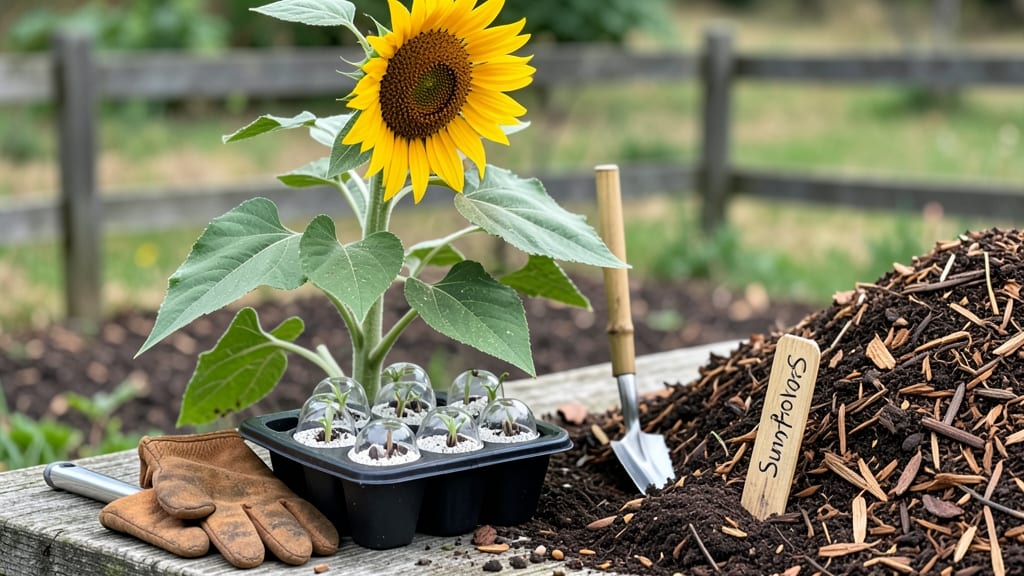
If you’ve ever dreamed of growing towering, golden sunflowers 🌻 in your Oklahoma garden, when do you plant them to ensure they thrive? Timing is the secret ingredient to success.
Planting too soon risks frost damage, while waiting too long can leave you with stunted blooms—neither of which will bring that satisfying summer harvest you’re craving.
Oklahoma’s USDA Zones 6b–8a mean your planting window matters more than you might think.
Whether you’re in the cooler northern reaches or the warmer southern plains, knowing exactly when to drop those seeds ensures your sunflowers thrive from late April to early June, when soil temperatures and daylight align perfectly for germination.
But here’s the kicker: Oklahoma’s unpredictable weather can throw off even the best-laid plans. I’ll show you how to adjust for late frosts, heatwaves, and everything in between—so you can enjoy those bold, sun-kissed blooms from July through October without the guesswork.
Ready to turn your garden into a sunflower paradise? Let’s break down the ideal planting times, soil prep tips, and pro strategies to keep your sunflowers standing tall all season long.
Best sunflower planting times by Oklahoma heat zones (6-8)
Oklahoma’s diverse USDA heat zones (6b–8a) create unique planting windows for sunflowers. In Zone 6b, where last frosts linger until mid-April, wait until late April to early May to plant.
Meanwhile, Zone 8a gardeners can start as early as mid-March, thanks to milder winters and earlier soil warming.
Sunflowers thrive when soil temperatures reach 55°F or warmer. Use a soil thermometer to confirm—cold soil slows germination and invites rot. In Zone 7a/7b, aim for April 15–May 1 to align with Oklahoma’s average last frost dates (March 15–April 15).
For early blooms, sow dwarf varieties (like 'Teddy Bear') in late March under protective cloches. These 3–4 ft giants tolerate cooler soils better than towering 12+ ft varieties, which need warmer conditions to reach their full height.
In Zone 8a, where winters are mild, you can even experiment with fall planting for late-season blooms. Sow seeds in late August—they’ll germinate quickly in warm soil and produce flowers before the first frost (mid-November).
Just be prepared for shorter daylight hours, which may limit height.
| Zone | Planting Window | Soil Temp Requirement | Last Frost Date | Bloom Time |
|---|---|---|---|---|
| 6b | Late April–Early May | ≥55°F | Mid-April | July–September |
| 7a/7b | April 15–May 1 | ≥55°F | March 15–April 1 | June–September |
| 8a | Mid-March–Late April | ≥50°F (earlier for dwarf) | Mid-February | May–October |
Pro tip: Oklahoma’s summer heat (90°F+) can stress sunflowers if planted too late. For late-season plantings, choose heat-tolerant varieties like 'Autumn Beauty' or 'ProCut'—they handle Oklahoma’s July–August temperatures better than delicate hybrids.
Always test your soil pH before planting. Sunflowers prefer 6.0–7.5, but Oklahoma’s clay-heavy soils often test alkaline. Amend with compost or peat moss to improve drainage and nutrient availability. A soil test kit (available at local nurseries) costs $20 and saves you from guesswork.
For container gardening in Oklahoma’s urban areas, start seeds in biodegradable pots by mid-April. Move them outdoors after May 15 when nighttime temps stay above 50°F. Containers dry out faster—water deeply every 2–3 days during Oklahoma’s dry spells.
Remember: Sunflowers grow fast—some varieties reach 10 ft in 80 days. In Oklahoma’s short growing season, prioritize early planting for the tallest, most vibrant blooms. If you miss the spring window, don’t despair—succession planting in June can still yield late-summer flowers.
🌻
Direct sowing vs. starter plants: Oklahoma-specific pros and cons
Deciding whether to direct sow sunflower seeds or use starter plants in Oklahoma can make or break your garden’s success. Both methods have unique advantages, but Oklahoma’s variable climate and short growing season tilt the scales in different ways.
Let’s weigh the options so you can choose what works best for your garden and goals.
For most Oklahoma gardeners, direct sowing is the go-to method. Sunflowers germinate quickly (5–14 days) and thrive when planted directly in the ground, where they develop strong root systems.
This method also saves you the hassle of transplant shock, which can stunt young plants. Plus, it’s budget-friendly—no need to buy starter plants!
However, if you’re in Zone 6b (northern Oklahoma), where frosts linger longer, starting seeds indoors 4–6 weeks before the last frost can give you a head start.
Transplants also work well if you’re dealing with limited garden space or want to experiment with rare varieties that might struggle to germinate reliably outdoors.
| Direct Sowing | Starter Plants |
|---|---|
| Pros: Stronger roots, no transplant shock, cost-effective | Pros: Faster growth, earlier blooms, variety control |
| Cons: Risk of frost damage, slower germination in cold soil | Cons: Higher cost, potential transplant shock, limited root depth |
| Best for: Zones 7a–8a, warm soil, patience for slower growth | Best for: Zone 6b, late frosts, early blooms, space constraints |
| Oklahoma Tip: Use black plastic mulch to warm soil faster for direct sowing | Oklahoma Tip: Harden off transplants for 7–10 days before planting |
If you choose direct sowing, prepare your soil by mixing in compost or aged manure to improve drainage—Oklahoma’s clay-heavy soils can become waterlogged. Plant seeds 1 inch deep and 6 inches apart, then thin seedlings to 12–24 inches apart once they’re 3–4 inches tall.
This spacing ensures each plant gets enough sunlight and nutrients to reach its full potential.
For starter plants, opt for dwarf or semi-dwarf varieties like ‘Little Becka’ or ‘Teddy Bear’ if space is tight. These varieties also handle Oklahoma’s summer heat better than towering giants. Just be sure to water deeply after transplanting to help roots establish in the new soil.
No matter which method you choose, succession planting is key in Oklahoma. Sow a second batch in early July to enjoy blooms well into fall, when many gardeners are already packing up for winter.
This way, you’ll have sunflowers gracing your garden from summer through autumn—a sight that’s as rewarding as it is cheerful!