
Plants
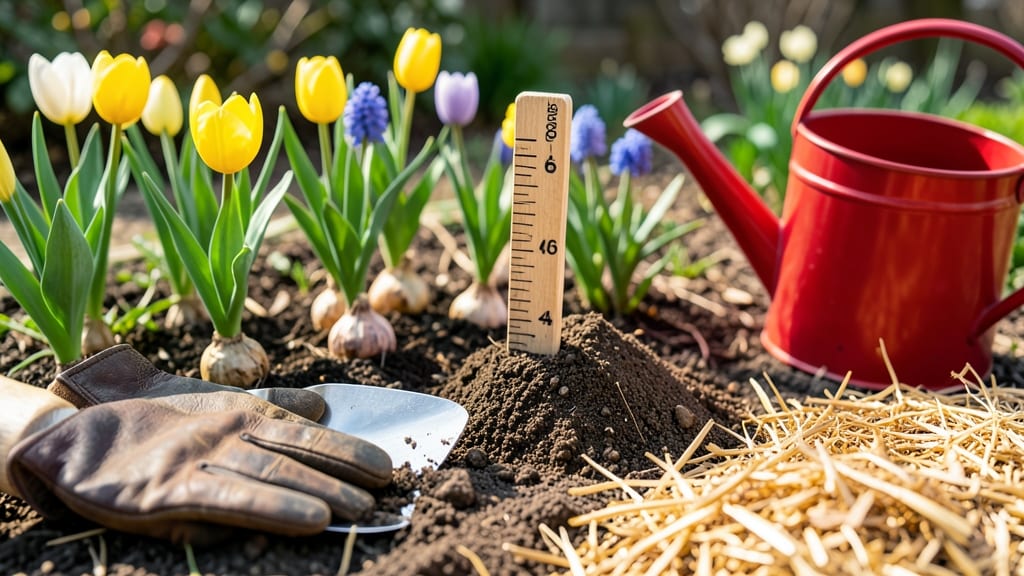
Timing your Spring Flowering Bulbs 🌷 planting in Central Texas isn’t just about following a calendar—it’s about beating the heat and making the most of those rare fall rains before winter sets in.
Plant too early, and your bulbs might rot in the summer heat; too late, and they won’t have enough time to root before the cold. The key lies in a narrow window between September and November, when soil temperatures are just right for growth.
Here’s the catch: Central Texas’ 8a-8b climate throws a curveball with its unpredictable weather. One year, you’ll get enough rain to keep bulbs happy; the next, you’ll be praying for moisture.
That’s why the best window isn’t just about months—it’s about soil conditions, microclimates (think Austin vs. Waco), and even the last frost date. Get it wrong, and you might end up with half your bulbs struggling or worse, not blooming at all.
But here’s the good news: with the right approach, you can turn Central Texas’ challenges into your garden’s superpower. I’ll show you exactly how to time your planting for maximum survival, which drought-resistant bulbs thrive here, and how to adjust for your specific corner of the region.
Whether you’re a seasoned gardener or just starting, these tips will help you grow a showstopping spring display—without the guesswork.
Ready to skip the trial-and-error and plant with confidence? Let’s dive into the perfect timing, soil prep secrets, and bulb choices that will make your Central Texas garden the talk of the neighborhood. Your future blooms will thank you.
Best months to plant bulbs in Central Texas for maximum survival
Central Texas gardeners know that timing is everything when planting bulbs. Unlike cooler climates, our USDA Zones 8a-8b offer a unique window where fall rains and mild winters create perfect conditions for bulb establishment.
The ideal time to plant is between October and December, when soil temperatures drop below 60°F but before hard freezes hit.
This window ensures bulbs root before winter dormancy, giving them a head start for spring blooms. For spring-flowering bulbs like daffodils and tulips, planting in October or November is critical. These bulbs need 6-8 weeks of cool soil to develop strong roots before winter sets in.
If you miss the fall window, don't worry—January and February offer a second chance for winter-hardy bulbs like grape hyacinths or crocuses. These can tolerate Central Texas' occasional freeze events (typically December 15 to January 15) and still thrive.
Here’s why this timing works: Fall rains provide natural moisture, while cooler nights reduce stress on newly planted bulbs. Avoid planting too early (like September), as summer heat can cause bulbs to sprout prematurely and then bake in the soil.
🌱 Central Texas Bulb Planting Timeline
| Stage | Action | Soil Temp | Notes |
|---|---|---|---|
| Late August | Prep soil | Warm | Add compost; avoid planting |
| October | Plant fall bulbs | 55-60°F | Ideal for daffodils, tulips |
| November | Plant late bloomers | 50-55°F | Crocuses, snowdrops |
| January | Plant winter bulbs | 45-50°F | Grape hyacinths, iris |
| February | Final planting | 50-55°F | Avoid if frost predicted |
Central Texas’ microclimates mean planting times vary slightly by location. For example, Austin’s East Side (wetter) may have 2-3 extra weeks of planting time compared to drier Hill Country areas like Bandera.
Always check your local frost dates—most Central Texas regions experience their first frost around December 15.
Pro tip: Use mulch (2-3 inches of straw or shredded leaves) after planting to retain moisture and insulate bulbs during temperature swings. This is especially critical in urban areas where pavement can create "heat islands" that delay soil cooling.
For spring-planted bulbs (like rain lilies), wait until March when soil temperatures consistently stay above 60°F. These bulbs thrive in Central Texas’ hot summers and often bloom in late summer or fall, providing color when other plants fade.
Remember: Bulb depth matters! Plant most bulbs 6-8 inches deep (twice their height) for stability. In sandy soils (common in West Texas), you may plant slightly shallower to encourage root growth.
Finally, avoid planting bulbs in waterlogged soil—Central Texas’ flash floods can drown bulbs. If your garden sits in a low spot, consider raised beds or mounding soil to improve drainage.
How to adjust planting timing for Central Texas’ rainy vs. dry seasons
Central Texas’ weather can swing from unpredictable downpours in East Austin to drought-like conditions in the Hill Country—both of which demand flexible bulb-planting strategies. The key is understanding how your local microclimate affects soil moisture and timing.
For example, gardeners in Waco’s clay-heavy soil may need to plant earlier to avoid waterlogging, while those in San Antonio’s rocky terrain should prioritize drought-tolerant varieties.
In wetter zones (like East Austin), aim to plant bulbs in late October or November when rains taper off. This gives roots time to establish before winter’s occasional freezes. Conversely, in drier areas (e.g., Fredericksburg), stretch your planting window into January to capture early spring rains.
The goal? Align with nature’s water cycle rather than forcing a rigid schedule.
Don’t plant bulbs in soggy soil! Central Texas’ flash floods can drown bulbs before they root. Wait until rainfall slows (check your local weather forecast) and test soil moisture—it should feel damp but not waterlogged.
For urban gardeners in Austin’s heat islands, consider container planting to control moisture. Use well-draining mixes with perlite or sand and water deeply but infrequently. In rural areas, mulching with straw (2–3 inches) helps retain moisture while protecting bulbs from temperature swings.
Even a thin layer of compost improves soil structure for better water absorption.
Staggered planting is another smart tactic. Instead of planting all bulbs at once, space them out every 2–3 weeks from October through December. This ensures a longer blooming season and reduces the risk of losing an entire batch to unexpected drought or frost.
For example, plant daffodils in October for early spring blooms and rain lilies in December to take advantage of winter rains.
Finally, monitor your local frost dates—they vary by just a few weeks across Central Texas. Use the National Weather Service’s frost prediction maps to fine-tune your schedule.
In Zone 8a (e.g., Temple), bulbs can handle light freezes, while Zone 8b (e.g., New Braunfels) may need slightly later planting to avoid early cold snaps.
By adapting to your specific microclimate and weather patterns, you’ll give your bulbs the best shot at thriving—even in Central Texas’ unpredictable climate. 🌧️🌵