
Companion Plants
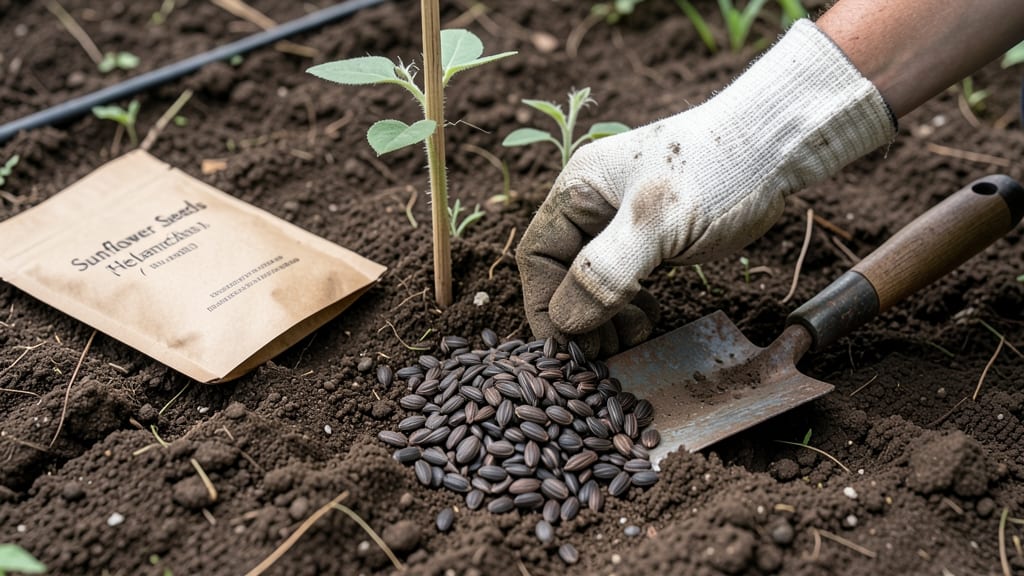
Timing your sunflower seeds in Ohio perfectly means the difference between towering 🌻 blooms and sad, stunted plants. Ohio’s USDA Zone 6a climate demands precision—plant too early, and frost will nip your seedlings; too late, and you’ll miss the 165-day growing season that brings those iconic summer faces to life.
Most Ohio gardeners should aim for mid-April to early June, but the real secret lies in soil temperature. Waiting until the ground warms to 55°F+ ensures strong germination, while checking your local frost date (usually around April 15) gives you the green light to start sowing.
Here’s the game-changer: direct sowing after your last frost date works best for Ohio’s short season. Plant seeds 1 inch deep, 6 inches apart, and watch them race toward the sun—just don’t wait until July, or you’ll sacrifice those bold blooms you’re dreaming of.
Ready to grow sunflowers that turn heads? Let’s break down the exact deadlines, soil tricks, and variety picks that’ll make your Ohio garden thrive—not just survive. Check your local frost date for precision!
Ohio sunflower planting deadlines by USDA Zone 5B/6A: frost dates and soil temperature rules
Ohio’s variable climate makes timing critical for sunflowers (🌻). In USDA Zones 5B and 6A, your last average frost date typically falls around April 15, but this can shift by weeks. Always verify your local microclimate—urban areas may warm faster than rural spots.
Sunflower seeds need soil temperatures above 55°F to germinate. Use a soil thermometer to confirm readiness—wait until readings stay consistent for 3–5 days. Ohio State University Extension recommends waiting until mid-April in most areas, but late April in colder pockets.
Planting windows vary by variety. Early bloomers like 'Moulin Rouge' can handle late March sowing under row covers, while tall varieties like 'Russian Giant' need full warmth and should wait until early May.
For direct sowing (recommended for Ohio), aim for mid-April to early June. This ensures blooms before first frost (usually October 15). Stagger plantings every 2 weeks to extend your harvest season.
🌱Pro Tip: Check the Ohio Agricultural Weather Network for real-time soil temps and frost forecasts. Their 14-day outlooks help adjust your schedule dynamically.
| Key Factor | USDA Zone 5B | USDA Zone 6A |
|---|---|---|
| Last Frost Date | April 15–May 1 | April 1–April 15 |
| Ideal Planting Window | Mid-April–May 15 | Late March–June 1 |
| Soil Temp Threshold | 55°F+ (consistent) | 55°F+ (consistent) |
| Harvest Window | Late July–October | Early July–October |
| Staggered Planting Tip | Every 2 weeks until June 1 | Every 2 weeks until July 1 |
If you’re unsure about your local frost dates, use the National Weather Service’s Frost Calculator or contact your county extension office. For example, Columbus (Zone 6A) typically sees frost by October 10, while Toledo (Zone 5B) may hold until October 20.
For container gardening, start seeds indoors 4–6 weeks before your last frost date. Use biodegradable pots to transplant seedlings directly into the garden after soil warms and nighttime temps stay above 50°F.
💧Watering Rule: Keep soil consistently moist during germination (first 2 weeks). Once seedlings emerge, reduce frequency but increase depth—sunflowers have deep taproots and hate shallow watering.
Remember: Ohio’s weather is unpredictable. Always have row covers or frost cloth on hand for late-season protection. Even a single night below 32°F can damage young plants.
How to extend Ohio’s sunflower growing season: staggered planting and cold-protection tips
Ohio’s short growing season can feel like a race against time for sunflowers, but with the right strategies, you can stretch their bloom time from early summer to crisp autumn. The key? Staggered planting and smart cold-protection techniques that shield tender seedlings from late frosts.
Even in USDA Zone 5B/6A, where frost can linger until mid-April, you can coax sunflowers to thrive through careful planning.
Start by planting early varieties like 'Teddy Bear' in late April as soon as soil reaches 55°F. Then, follow up with mid-season types like 'Autumn Beauty' in early May. This two-phase approach ensures continuous blooms instead of a single burst that fades too soon.
For extra insurance, use row covers or black plastic mulch to warm the soil and protect seedlings from unexpected chills.
Don’t overlook soil preparation—amend your beds with compost before planting to improve drainage and warmth retention. In cooler areas, try black plastic mulch to raise soil temperatures by 5-10°F, giving seedlings a head start. For container growers, use heat mats under pots to extend the season even further.
Protect young plants from late-spring frosts (which can occur until early May in Ohio) by covering them with frost cloth at night. Remove the cover by mid-morning to prevent overheating. This simple step can mean the difference between wilted seedlings and thriving stalks reaching their full height.
For a second harvest in autumn, plant short-day varieties like 'Autumn Beauty' in early July. These sunflowers respond to shorter daylight hours by blooming later, giving you cheerful flowers well into October. Just be sure to water deeply as summer heat intensifies—sunflowers need 1-2 gallons per plant weekly once established.
Finally, harvest seeds before the first hard frost (typically mid-October in Ohio) to save for next year. Let the flower heads dry on the stalk, then collect seeds and store them in a cool, dry place.
With these techniques, you’ll enjoy sunflowers from June through October—proof that Ohio’s growing season can be longer than it seems!