
Plants
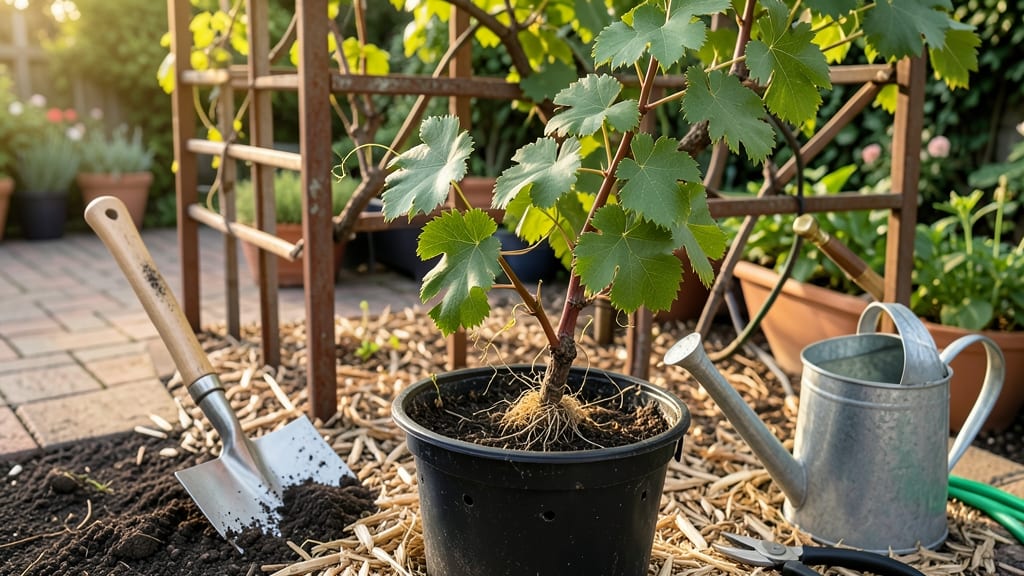
If you’ve ever dreamed of planting grapes in Florida but hesitated because of the heat, timing is the key to success. Planting grapes at the wrong time can mean struggling vines or even total failure—but get it right, and you’ll enjoy a bountiful harvest year after year.
Florida’s frost-free climate might seem like an advantage, but the real challenge is avoiding extreme summer heat, which can stress young grapevines. The best window for planting varies by region, with late winter or early spring being ideal for most varieties.
Whether you’re in North Florida’s cooler 8a zone or South Florida’s tropical 11, knowing the right schedule makes all the difference.
In this guide, I’ll break down the perfect planting timeline for your specific heat zone, including soil prep tips and post-planting care to keep your vines thriving. No more guesswork—just a foolproof plan for year-round success.
Ready to transform your backyard into a grape-growing paradise? Let’s dive into the exact months to plant for maximum yields, no matter where you are in the Sunshine State.
Florida heat-Zone planting calendar: best months for grapes by region
Florida’s 11 heat zones create unique microclimates that dramatically affect grape planting success. Unlike northern states, Florida’s year-round growing potential means you can plant grapes almost anytime—but timing still matters to avoid heat stress or poor establishment.
Let’s break down the optimal planting windows for each region, from the cooler North to the tropical South.
The best overall window for planting grapes in Florida is late winter through early spring (January–March), when temperatures are mild and humidity is lower. However, container-grown vines can be planted year-round with proper care.
South Florida’s Zone 10-11 offers even more flexibility, while North Florida’s Zone 8a requires extra caution to avoid late-winter frosts.
Here’s how to align your planting schedule with Florida’s heat zones and variety requirements:
| Heat Zone | Best Planting Months | Key Considerations | Recommended Varieties |
|---|---|---|---|
| 8a (North FL: Jacksonville, Gainesville) | January–February (bare-root) or September–October (container) | Avoid late winter frosts; mulch heavily for winter protection. | Muscadine, Catawba, Scuppernong |
| 8b (Orlando, Ocala) | January–March (best) or August–September (container) | Summer planting requires shade cloth and extra water. | Bluebunch, Red Globe, Thompson Seedless |
| 9a (Tampa, Lakeland) | Year-round (container) or February–April (in-ground) | Year-round planting works with drip irrigation and mulch. | Black Beauty, Flame Seedless, Niagara |
| 10a (Miami, Fort Lauderdale) | Any month (container) or March–May (in-ground) | High humidity increases fungal diseases; use airflow. | Red Malaga, Black Spanish, Concord |
| 11 (Key West, Homestead) | Year-round (container) or April–June (in-ground) | Salt tolerance needed near coast; drought-resistant varieties preferred. | Ruby Seedless, Flame Seedless, Muscadine |
💡 Pro Tip: For in-ground planting, aim for 60–70°F soil temps to ensure root establishment.
If you’re in North Florida (Zones 8a–8b), prioritize January–February planting to avoid the rare but possible January frosts. Use black plastic mulch to warm soil and protect young roots. For Central Florida (Zones 9a–9b), spring planting (March–April) aligns with natural rainfall patterns, reducing irrigation needs.
In South Florida (Zones 10a–11), you can plant year-round, but summer planting (June–August) requires extra shade and frequent watering to prevent heat stress. Container-grown vines adapt best to these conditions, as they allow for mobility if storms threaten.
Always choose drought-tolerant varieties like Flame Seedless or Ruby Seedless for coastal areas.
For container gardening, timing is less critical, but transplant shock is still a risk. Acclimate container-grown vines to outdoor conditions for 7–10 days before planting, regardless of season. This hardens the vines and improves survival rates in Florida’s humid climate.
Remember, soil preparation is just as critical as planting time. Amend your soil with compost and sand (for drainage) before planting, and consider a soil test to check pH (ideal: 6.0–6.5). In heavy clay soils common in North Florida, raised beds can improve drainage and root health.
Lastly, pruning timing ties into planting schedules. If you plant in winter or early spring, prune immediately after planting to encourage new growth. For summer or fall plantings, hold off on heavy pruning until the following dormant season to avoid stressing young vines.
By matching your planting schedule to Florida’s heat zones and variety needs, you’ll set your grapevines up for strong establishment and abundant harvests. Whether you’re in frost-prone Zone 8a or tropical Zone 11, the right timing makes all the difference. 🍇
Critical factors that determine grape planting success in Florida
Florida’s humidity, heat, and soil conditions create a unique challenge for grape growers. Unlike cooler climates, timing isn’t just about seasons—it’s about avoiding heat stress and matching grape varieties to your microclimate. Let’s break down the key factors that make or break your grapevine’s success.
First, soil temperature is critical. Grapes thrive when soil stays between 60°F and 85°F. In Florida’s Zone 9-11, summer heat can push soils above 90°F, shocking young roots. Planting in late winter or early spring lets roots establish before the worst heat arrives.
Frost risk is another factor—though Florida rarely sees frost, North Florida (Zone 8a-9a) can experience light freezes. If you’re growing temperate varieties like Thompson Seedless, plant after the last frost date (usually mid-January in North Florida). For heat-loving Muscadines, frost isn’t a concern.
Next, humidity levels play a role. Florida’s high humidity increases fungal risks like powdery mildew. To combat this, choose disease-resistant varieties (e.g., Scuppernong or Bluebunch) and ensure proper airflow around vines by spacing them 8-10 feet apart.
| Factor | Florida-Specific Consideration | Actionable Tip |
|---|---|---|
| Soil Temperature | Avoid planting when soil exceeds 85°F (summer risk) | Use soil thermometers; plant in winter/early spring |
| Frost Risk | North FL zones 8a-9a: light freezes possible | Plant after Jan 15 for Zone 8a; Muscadines are frost-free |
| Humidity | High humidity = fungal diseases (e.g., mildew) | Choose resistant varieties; space vines 8-10 ft apart |
| Container vs. In-Ground | Containers dry faster; in-ground retains moisture | Water containers daily; mulch in-ground heavily |
Another critical factor is container vs. in-ground planting. Container-grown grapes dry out faster in Florida’s heat, so you’ll need to water them daily during summer. If planting in-ground, mulch heavily with wood chips or straw to retain moisture and cool roots.
For containers, use 5-gallon pots minimum and ensure they have drainage holes.
Finally, grapevine varieties matter. Muscadines (native to Florida) thrive year-round, while European varieties (e.g., Cabernet Sauvignon) struggle with heat. If you’re new to grape growing, start with heat-tolerant, disease-resistant varieties like Bluebunch or Scuppernong—they’re forgiving and productive.
By aligning your planting schedule, variety choice, and care routine with Florida’s climate, you’ll set your grapevines up for long-term success—even in the heat. 🍇